

Key Insights
The global Photoionization Detection (PID) Sensors market is projected for robust growth, estimated at USD 163.2 million in 2025, with a compound annual growth rate (CAGR) of 4.6% expected to propel it to substantial figures by 2033. This expansion is driven by increasingly stringent environmental regulations and a heightened emphasis on worker safety across various industries. The growing awareness of hazardous volatile organic compounds (VOCs) and toxic gases in workplaces, particularly in the energy and industrial sectors, necessitates the adoption of advanced detection technologies like PID sensors. These sensors are crucial for real-time monitoring, leak detection, and ensuring compliance with occupational exposure limits, thereby safeguarding human health and the environment. Furthermore, the rising demand for portable detection devices, offering flexibility and on-the-spot analysis, is a significant catalyst for market penetration. The ongoing development of more sensitive, accurate, and cost-effective PID sensor technologies, coupled with their integration into smart monitoring systems and IoT platforms, is further bolstering market prospects.
The market segmentation reveals a dynamic landscape, with the "Energy" and "Industrial" applications anticipated to be dominant segments due to their inherent risks associated with gas and vapor exposure. Within types, both "Fixed PID Sensors and Detectors" for continuous monitoring in critical areas and "Portable PID Sensors and Detectors" for mobile and versatile use are experiencing significant demand. Geographically, North America and Europe currently lead the market, driven by well-established regulatory frameworks and a mature industrial base. However, the Asia Pacific region is poised for the highest growth, fueled by rapid industrialization, increasing environmental consciousness, and supportive government initiatives promoting air quality monitoring. Key players such as Honeywell Analytics (RAE Systems), Ion Science, and MSA Safety are actively innovating and expanding their product portfolios to cater to evolving market needs, including advancements in sensor lifespan, wireless connectivity, and user-friendly interfaces. Challenges such as the initial cost of advanced systems and the need for skilled personnel for calibration and maintenance are being addressed through technological advancements and market education.
-Sensors.png)
Photoionization Detection (PID) Sensors Market: Comprehensive Growth Analysis and Future Outlook (2019–2033)
This in-depth market research report provides a strategic analysis of the global Photoionization Detection (PID) Sensors market from 2019 to 2033, with a base year of 2025. Uncover critical insights into market dynamics, technological advancements, competitive landscapes, and future growth opportunities for stakeholders across the Energy, Industrial, Environment, and Government sectors. The report focuses on both Fixed PID Sensors and Detectors and Portable PID Sensors and Detectors, offering a holistic view of this vital safety and monitoring technology.
Photoionization Detection (PID) Sensors Market Composition & Trends
The global Photoionization Detection (PID) Sensors market is characterized by a moderate concentration, with key players such as Honeywell Analytics (RAE Systems), Ion Science, MSA Safety, Dräger Safety, Industrial Scientific, INFICON (Photovac Inc.), RKI Instruments (RIKEN KEIKI), Tyco Gas & Flame Detection, Detcon, PID Analyzers LLC (HNU), and Shenzhen Nuoan Environmental holding significant market share. Innovation is a primary catalyst, driven by the continuous need for improved sensitivity, selectivity, and portability in detecting volatile organic compounds (VOCs) and other hazardous gases. The regulatory landscape, particularly stringent environmental and occupational safety standards worldwide, plays a crucial role in market expansion. Substitute products, while present in some niche applications, are generally outcompeted by the superior performance of PID sensors for a broad spectrum of VOC detection. End-user profiles span from industrial facilities requiring continuous monitoring to environmental agencies conducting field surveys and government bodies enforcing safety regulations. Mergers and acquisitions (M&A) activities are anticipated to shape market consolidation, with an estimated XX million in deal values over the forecast period, as larger entities seek to expand their product portfolios and geographical reach. The market share distribution is expected to see a gradual shift towards manufacturers offering integrated solutions and advanced data analytics capabilities.
-Sensors.png)
Photoionization Detection (PID) Sensors Industry Evolution
The Photoionization Detection (PID) Sensors industry has witnessed a remarkable evolution, marked by consistent growth trajectories and significant technological advancements. Over the historical period (2019–2024), the market demonstrated a robust Compound Annual Growth Rate (CAGR) of approximately XX% driven by increasing awareness of VOC hazards and stricter regulatory mandates. The base year (2025) sees the market valued at an estimated XX million, poised for substantial expansion throughout the forecast period (2025–2033). This growth is fueled by the persistent demand for real-time gas monitoring solutions across diverse applications. Technological advancements have been central to this evolution, with manufacturers consistently innovating to enhance sensor performance. Innovations include the development of lower detection limits (parts per billion range), improved resistance to humidity and interference, and the integration of smart connectivity features for remote monitoring and data logging. Consumer demand has shifted towards more user-friendly, durable, and cost-effective PID sensor solutions. The adoption of fixed PID detectors in industrial settings for area monitoring and the increasing popularity of portable PID sensors for personal safety and field investigations are indicative of these evolving demands. Industry developments, such as the introduction of new lamp technologies offering enhanced lifespan and detection capabilities, and the integration of AI for predictive maintenance and anomaly detection, are further propelling the industry forward.
Leading Regions, Countries, or Segments in Photoionization Detection (PID) Sensors
Within the global Photoionization Detection (PID) Sensors market, North America currently stands as the dominant region, driven by stringent environmental regulations and a robust industrial sector. The United States, in particular, leads with significant investments in air quality monitoring and occupational safety across its vast industrial, energy, and government sectors. The increasing emphasis on VOC emission control and workplace safety standards, coupled with substantial government funding for environmental protection initiatives, provides a fertile ground for PID sensor adoption.
Key Drivers for Dominance in North America:
- Regulatory Support: The Environmental Protection Agency (EPA) and Occupational Safety and Health Administration (OSHA) regulations mandate strict monitoring of hazardous gases, directly boosting the demand for PID sensors.
- Industrial Expansion: A thriving manufacturing and chemical industry necessitates continuous monitoring of VOCs to ensure worker safety and compliance.
- Technological Adoption: North American industries are early adopters of advanced monitoring technologies, including sophisticated fixed and portable PID systems.
- Government Initiatives: Government programs focused on public health and environmental sustainability further drive the adoption of advanced monitoring solutions.
The Industrial segment emerges as the most significant application within the PID sensors market, accounting for an estimated XX% of the total market share in 2025. This dominance is attributed to the widespread use of volatile organic compounds (VOCs) in various industrial processes, including petrochemicals, manufacturing, pharmaceuticals, and painting. The inherent risks associated with VOC exposure necessitate robust monitoring systems for worker safety, process control, and environmental compliance.
Key Drivers for Industrial Segment Dominance:
- High VOC Concentration: Industries like chemical manufacturing, refineries, and solvent usage inherently involve high concentrations of VOCs.
- Worker Safety Mandates: Strict occupational health and safety regulations necessitate the continuous monitoring of VOCs to protect employees from hazardous exposure.
- Process Optimization: PID sensors aid in identifying leaks and inefficiencies in industrial processes, leading to cost savings and improved operational efficiency.
- Environmental Compliance: Industries are under increasing pressure to comply with environmental regulations regarding VOC emissions.
The Portable PID Sensors and Detectors type also holds a substantial market share, driven by the need for flexible and mobile monitoring solutions. These devices are indispensable for spot checks, emergency response, and site-specific assessments in various industrial and environmental settings.
Key Drivers for Portable PID Sensors Dominance:
- Flexibility and Mobility: Essential for on-the-spot detection and confined space entry.
- Personal Safety: Widely used by industrial hygienists and safety officers for individual protection.
- Cost-Effectiveness: Often more accessible for smaller operations or specific task-based monitoring.
- Versatile Applications: Suitable for a wide range of environments, from manufacturing floors to outdoor environmental surveys.
Photoionization Detection (PID) Sensors Product Innovations
Recent product innovations in Photoionization Detection (PID) Sensors are revolutionizing gas monitoring capabilities. Manufacturers are focusing on enhanced detection limits, achieving sensitivity down to parts per billion (ppb) levels for a wider array of VOCs. Improvements in lamp technology, including longer lifespans and increased spectral output, are enhancing performance and reducing maintenance costs. Furthermore, the integration of wireless connectivity, GPS, and advanced data logging features allows for real-time monitoring, remote access, and comprehensive reporting, improving operational efficiency and safety protocols across industries.
Propelling Factors for Photoionization Detection (PID) Sensors Growth
The growth of the Photoionization Detection (PID) Sensors market is propelled by several key factors. Stringent government regulations worldwide, such as those concerning air quality and occupational safety, are a significant driver, mandating the use of advanced VOC detection technologies. Technological advancements leading to more sensitive, selective, and user-friendly sensors are increasing adoption rates. The expanding industrial sector, particularly in developing economies, coupled with the growing awareness of the health and environmental impacts of VOCs, further fuels demand. The increasing focus on worker safety and the need for real-time monitoring solutions in hazardous environments are also critical growth catalysts.
Obstacles in the Photoionization Detection (PID) Sensors Market
Despite robust growth, the Photoionization Detection (PID) Sensors market faces certain obstacles. High initial investment costs for advanced PID systems can be a barrier for small and medium-sized enterprises. The sensitivity of some PID sensors to humidity and other interfering gases can lead to false alarms, requiring careful calibration and user training. Furthermore, the availability of alternative gas detection technologies, while often less comprehensive for VOCs, can present competitive pressure in specific niche applications. Supply chain disruptions and raw material price volatility, as witnessed in recent global events, can also impact production costs and availability.
Future Opportunities in Photoionization Detection (PID) Sensors
Emerging opportunities in the Photoionization Detection (PID) Sensors market are significant. The increasing demand for real-time monitoring in smart cities and the development of IoT-enabled gas detection networks present new avenues for growth. Advancements in miniaturization and the development of low-power sensors will enable wider deployment in wearable devices and portable environmental monitoring tools. The growing focus on industrial hygiene in emerging economies and the expansion of the semiconductor manufacturing industry, which utilizes numerous VOCs, will also drive demand for sophisticated PID solutions.
Major Players in the Photoionization Detection (PID) Sensors Ecosystem
- Honeywell Analytics (RAE Systems)
- Ion Science
- MSA Safety
- Dräger Safety
- Industrial Scientific
- INFICON (Photovac Inc.)
- RKI Instruments (RIKEN KEIKI)
- Tyco Gas & Flame Detection
- Detcon
- PID Analyzers LLC (HNU)
- Shenzhen Nuoan Environmental
Key Developments in Photoionization Detection (PID) Sensors Industry
- 2024: Launch of next-generation portable PID detectors with enhanced battery life and improved user interfaces.
- 2023: Significant advancements in sensor technology leading to a XX% reduction in cross-interference from common industrial gases.
- 2023: Increased M&A activity as larger safety equipment manufacturers acquire specialized PID sensor companies to broaden their portfolios.
- 2022: Introduction of cloud-based data management platforms for PID sensor networks, enabling remote diagnostics and analytics.
- 2021: Development of low-power PID sensors suitable for integration into IoT devices and long-term environmental monitoring stations.
- 2020: Enhanced calibration systems and automated diagnostic tools for fixed PID detectors, reducing downtime.
- 2019: Introduction of PID sensors with improved resistance to challenging environmental conditions, such as high humidity and extreme temperatures.
Strategic Photoionization Detection (PID) Sensors Market Forecast
The strategic forecast for the Photoionization Detection (PID) Sensors market indicates continued robust growth, driven by evolving regulatory landscapes and increasing global emphasis on safety and environmental protection. The expansion of industrial activities in emerging markets, coupled with the demand for real-time, portable, and smart monitoring solutions, will be key growth catalysts. Technological innovations, including miniaturization and enhanced connectivity, will further unlock new application areas and market potential, solidifying the indispensable role of PID sensors in safeguarding human health and the environment. The market is projected to reach an estimated value of XX million by 2033, with a CAGR of approximately XX% during the forecast period.
Photoionization Detection (PID) Sensors Segmentation
-
1. Application
- 1.1. Energy
- 1.2. Industrial
- 1.3. Environment
- 1.4. Government
-
2. Types
- 2.1. Fixed PID Sensors and Detectors
- 2.2. Portable PID Sensors and Detectors
Photoionization Detection (PID) Sensors Segmentation By Geography
-
1. North America
- 1.1. United States
- 1.2. Canada
- 1.3. Mexico
-
2. South America
- 2.1. Brazil
- 2.2. Argentina
- 2.3. Rest of South America
-
3. Europe
- 3.1. United Kingdom
- 3.2. Germany
- 3.3. France
- 3.4. Italy
- 3.5. Spain
- 3.6. Russia
- 3.7. Benelux
- 3.8. Nordics
- 3.9. Rest of Europe
-
4. Middle East & Africa
- 4.1. Turkey
- 4.2. Israel
- 4.3. GCC
- 4.4. North Africa
- 4.5. South Africa
- 4.6. Rest of Middle East & Africa
-
5. Asia Pacific
- 5.1. China
- 5.2. India
- 5.3. Japan
- 5.4. South Korea
- 5.5. ASEAN
- 5.6. Oceania
- 5.7. Rest of Asia Pacific
-Sensors.png)
Photoionization Detection (PID) Sensors REPORT HIGHLIGHTS
| Aspects | Details |
|---|---|
| Study Period | 2019-2033 |
| Base Year | 2024 |
| Estimated Year | 2025 |
| Forecast Period | 2025-2033 |
| Historical Period | 2019-2024 |
| Growth Rate | CAGR of 4.6% from 2019-2033 |
| Segmentation |
|
Table of Contents
- 1. Introduction
- 1.1. Research Scope
- 1.2. Market Segmentation
- 1.3. Research Methodology
- 1.4. Definitions and Assumptions
- 2. Executive Summary
- 2.1. Introduction
- 3. Market Dynamics
- 3.1. Introduction
- 3.2. Market Drivers
- 3.3. Market Restrains
- 3.4. Market Trends
- 4. Market Factor Analysis
- 4.1. Porters Five Forces
- 4.2. Supply/Value Chain
- 4.3. PESTEL analysis
- 4.4. Market Entropy
- 4.5. Patent/Trademark Analysis
- 5. Global Photoionization Detection (PID) Sensors Analysis, Insights and Forecast, 2019-2031
- 5.1. Market Analysis, Insights and Forecast - by Application
- 5.1.1. Energy
- 5.1.2. Industrial
- 5.1.3. Environment
- 5.1.4. Government
- 5.2. Market Analysis, Insights and Forecast - by Types
- 5.2.1. Fixed PID Sensors and Detectors
- 5.2.2. Portable PID Sensors and Detectors
- 5.3. Market Analysis, Insights and Forecast - by Region
- 5.3.1. North America
- 5.3.2. South America
- 5.3.3. Europe
- 5.3.4. Middle East & Africa
- 5.3.5. Asia Pacific
- 5.1. Market Analysis, Insights and Forecast - by Application
- 6. North America Photoionization Detection (PID) Sensors Analysis, Insights and Forecast, 2019-2031
- 6.1. Market Analysis, Insights and Forecast - by Application
- 6.1.1. Energy
- 6.1.2. Industrial
- 6.1.3. Environment
- 6.1.4. Government
- 6.2. Market Analysis, Insights and Forecast - by Types
- 6.2.1. Fixed PID Sensors and Detectors
- 6.2.2. Portable PID Sensors and Detectors
- 6.1. Market Analysis, Insights and Forecast - by Application
- 7. South America Photoionization Detection (PID) Sensors Analysis, Insights and Forecast, 2019-2031
- 7.1. Market Analysis, Insights and Forecast - by Application
- 7.1.1. Energy
- 7.1.2. Industrial
- 7.1.3. Environment
- 7.1.4. Government
- 7.2. Market Analysis, Insights and Forecast - by Types
- 7.2.1. Fixed PID Sensors and Detectors
- 7.2.2. Portable PID Sensors and Detectors
- 7.1. Market Analysis, Insights and Forecast - by Application
- 8. Europe Photoionization Detection (PID) Sensors Analysis, Insights and Forecast, 2019-2031
- 8.1. Market Analysis, Insights and Forecast - by Application
- 8.1.1. Energy
- 8.1.2. Industrial
- 8.1.3. Environment
- 8.1.4. Government
- 8.2. Market Analysis, Insights and Forecast - by Types
- 8.2.1. Fixed PID Sensors and Detectors
- 8.2.2. Portable PID Sensors and Detectors
- 8.1. Market Analysis, Insights and Forecast - by Application
- 9. Middle East & Africa Photoionization Detection (PID) Sensors Analysis, Insights and Forecast, 2019-2031
- 9.1. Market Analysis, Insights and Forecast - by Application
- 9.1.1. Energy
- 9.1.2. Industrial
- 9.1.3. Environment
- 9.1.4. Government
- 9.2. Market Analysis, Insights and Forecast - by Types
- 9.2.1. Fixed PID Sensors and Detectors
- 9.2.2. Portable PID Sensors and Detectors
- 9.1. Market Analysis, Insights and Forecast - by Application
- 10. Asia Pacific Photoionization Detection (PID) Sensors Analysis, Insights and Forecast, 2019-2031
- 10.1. Market Analysis, Insights and Forecast - by Application
- 10.1.1. Energy
- 10.1.2. Industrial
- 10.1.3. Environment
- 10.1.4. Government
- 10.2. Market Analysis, Insights and Forecast - by Types
- 10.2.1. Fixed PID Sensors and Detectors
- 10.2.2. Portable PID Sensors and Detectors
- 10.1. Market Analysis, Insights and Forecast - by Application
- 11. Competitive Analysis
- 11.1. Global Market Share Analysis 2024
- 11.2. Company Profiles
- 11.2.1 Honeywell Analytics (RAE Systems)
- 11.2.1.1. Overview
- 11.2.1.2. Products
- 11.2.1.3. SWOT Analysis
- 11.2.1.4. Recent Developments
- 11.2.1.5. Financials (Based on Availability)
- 11.2.2 Ion Science
- 11.2.2.1. Overview
- 11.2.2.2. Products
- 11.2.2.3. SWOT Analysis
- 11.2.2.4. Recent Developments
- 11.2.2.5. Financials (Based on Availability)
- 11.2.3 MSA Safety
- 11.2.3.1. Overview
- 11.2.3.2. Products
- 11.2.3.3. SWOT Analysis
- 11.2.3.4. Recent Developments
- 11.2.3.5. Financials (Based on Availability)
- 11.2.4 Drger Safty
- 11.2.4.1. Overview
- 11.2.4.2. Products
- 11.2.4.3. SWOT Analysis
- 11.2.4.4. Recent Developments
- 11.2.4.5. Financials (Based on Availability)
- 11.2.5 Industrial Scientific
- 11.2.5.1. Overview
- 11.2.5.2. Products
- 11.2.5.3. SWOT Analysis
- 11.2.5.4. Recent Developments
- 11.2.5.5. Financials (Based on Availability)
- 11.2.6 INFICON (Photovac Inc.)
- 11.2.6.1. Overview
- 11.2.6.2. Products
- 11.2.6.3. SWOT Analysis
- 11.2.6.4. Recent Developments
- 11.2.6.5. Financials (Based on Availability)
- 11.2.7 RKI Instruments (RIKEN KEIKI)
- 11.2.7.1. Overview
- 11.2.7.2. Products
- 11.2.7.3. SWOT Analysis
- 11.2.7.4. Recent Developments
- 11.2.7.5. Financials (Based on Availability)
- 11.2.8 Tyco Gas & Flame Detection
- 11.2.8.1. Overview
- 11.2.8.2. Products
- 11.2.8.3. SWOT Analysis
- 11.2.8.4. Recent Developments
- 11.2.8.5. Financials (Based on Availability)
- 11.2.9 Detcon
- 11.2.9.1. Overview
- 11.2.9.2. Products
- 11.2.9.3. SWOT Analysis
- 11.2.9.4. Recent Developments
- 11.2.9.5. Financials (Based on Availability)
- 11.2.10 PID Analyzers LLC (HNU)
- 11.2.10.1. Overview
- 11.2.10.2. Products
- 11.2.10.3. SWOT Analysis
- 11.2.10.4. Recent Developments
- 11.2.10.5. Financials (Based on Availability)
- 11.2.11 Shenzhen Nuoan Environmental
- 11.2.11.1. Overview
- 11.2.11.2. Products
- 11.2.11.3. SWOT Analysis
- 11.2.11.4. Recent Developments
- 11.2.11.5. Financials (Based on Availability)
- 11.2.1 Honeywell Analytics (RAE Systems)
List of Figures
- Figure 1: Global Photoionization Detection (PID) Sensors Revenue Breakdown (million, %) by Region 2024 & 2032
- Figure 2: North America Photoionization Detection (PID) Sensors Revenue (million), by Application 2024 & 2032
- Figure 3: North America Photoionization Detection (PID) Sensors Revenue Share (%), by Application 2024 & 2032
- Figure 4: North America Photoionization Detection (PID) Sensors Revenue (million), by Types 2024 & 2032
- Figure 5: North America Photoionization Detection (PID) Sensors Revenue Share (%), by Types 2024 & 2032
- Figure 6: North America Photoionization Detection (PID) Sensors Revenue (million), by Country 2024 & 2032
- Figure 7: North America Photoionization Detection (PID) Sensors Revenue Share (%), by Country 2024 & 2032
- Figure 8: South America Photoionization Detection (PID) Sensors Revenue (million), by Application 2024 & 2032
- Figure 9: South America Photoionization Detection (PID) Sensors Revenue Share (%), by Application 2024 & 2032
- Figure 10: South America Photoionization Detection (PID) Sensors Revenue (million), by Types 2024 & 2032
- Figure 11: South America Photoionization Detection (PID) Sensors Revenue Share (%), by Types 2024 & 2032
- Figure 12: South America Photoionization Detection (PID) Sensors Revenue (million), by Country 2024 & 2032
- Figure 13: South America Photoionization Detection (PID) Sensors Revenue Share (%), by Country 2024 & 2032
- Figure 14: Europe Photoionization Detection (PID) Sensors Revenue (million), by Application 2024 & 2032
- Figure 15: Europe Photoionization Detection (PID) Sensors Revenue Share (%), by Application 2024 & 2032
- Figure 16: Europe Photoionization Detection (PID) Sensors Revenue (million), by Types 2024 & 2032
- Figure 17: Europe Photoionization Detection (PID) Sensors Revenue Share (%), by Types 2024 & 2032
- Figure 18: Europe Photoionization Detection (PID) Sensors Revenue (million), by Country 2024 & 2032
- Figure 19: Europe Photoionization Detection (PID) Sensors Revenue Share (%), by Country 2024 & 2032
- Figure 20: Middle East & Africa Photoionization Detection (PID) Sensors Revenue (million), by Application 2024 & 2032
- Figure 21: Middle East & Africa Photoionization Detection (PID) Sensors Revenue Share (%), by Application 2024 & 2032
- Figure 22: Middle East & Africa Photoionization Detection (PID) Sensors Revenue (million), by Types 2024 & 2032
- Figure 23: Middle East & Africa Photoionization Detection (PID) Sensors Revenue Share (%), by Types 2024 & 2032
- Figure 24: Middle East & Africa Photoionization Detection (PID) Sensors Revenue (million), by Country 2024 & 2032
- Figure 25: Middle East & Africa Photoionization Detection (PID) Sensors Revenue Share (%), by Country 2024 & 2032
- Figure 26: Asia Pacific Photoionization Detection (PID) Sensors Revenue (million), by Application 2024 & 2032
- Figure 27: Asia Pacific Photoionization Detection (PID) Sensors Revenue Share (%), by Application 2024 & 2032
- Figure 28: Asia Pacific Photoionization Detection (PID) Sensors Revenue (million), by Types 2024 & 2032
- Figure 29: Asia Pacific Photoionization Detection (PID) Sensors Revenue Share (%), by Types 2024 & 2032
- Figure 30: Asia Pacific Photoionization Detection (PID) Sensors Revenue (million), by Country 2024 & 2032
- Figure 31: Asia Pacific Photoionization Detection (PID) Sensors Revenue Share (%), by Country 2024 & 2032
List of Tables
- Table 1: Global Photoionization Detection (PID) Sensors Revenue million Forecast, by Region 2019 & 2032
- Table 2: Global Photoionization Detection (PID) Sensors Revenue million Forecast, by Application 2019 & 2032
- Table 3: Global Photoionization Detection (PID) Sensors Revenue million Forecast, by Types 2019 & 2032
- Table 4: Global Photoionization Detection (PID) Sensors Revenue million Forecast, by Region 2019 & 2032
- Table 5: Global Photoionization Detection (PID) Sensors Revenue million Forecast, by Application 2019 & 2032
- Table 6: Global Photoionization Detection (PID) Sensors Revenue million Forecast, by Types 2019 & 2032
- Table 7: Global Photoionization Detection (PID) Sensors Revenue million Forecast, by Country 2019 & 2032
- Table 8: United States Photoionization Detection (PID) Sensors Revenue (million) Forecast, by Application 2019 & 2032
- Table 9: Canada Photoionization Detection (PID) Sensors Revenue (million) Forecast, by Application 2019 & 2032
- Table 10: Mexico Photoionization Detection (PID) Sensors Revenue (million) Forecast, by Application 2019 & 2032
- Table 11: Global Photoionization Detection (PID) Sensors Revenue million Forecast, by Application 2019 & 2032
- Table 12: Global Photoionization Detection (PID) Sensors Revenue million Forecast, by Types 2019 & 2032
- Table 13: Global Photoionization Detection (PID) Sensors Revenue million Forecast, by Country 2019 & 2032
- Table 14: Brazil Photoionization Detection (PID) Sensors Revenue (million) Forecast, by Application 2019 & 2032
- Table 15: Argentina Photoionization Detection (PID) Sensors Revenue (million) Forecast, by Application 2019 & 2032
- Table 16: Rest of South America Photoionization Detection (PID) Sensors Revenue (million) Forecast, by Application 2019 & 2032
- Table 17: Global Photoionization Detection (PID) Sensors Revenue million Forecast, by Application 2019 & 2032
- Table 18: Global Photoionization Detection (PID) Sensors Revenue million Forecast, by Types 2019 & 2032
- Table 19: Global Photoionization Detection (PID) Sensors Revenue million Forecast, by Country 2019 & 2032
- Table 20: United Kingdom Photoionization Detection (PID) Sensors Revenue (million) Forecast, by Application 2019 & 2032
- Table 21: Germany Photoionization Detection (PID) Sensors Revenue (million) Forecast, by Application 2019 & 2032
- Table 22: France Photoionization Detection (PID) Sensors Revenue (million) Forecast, by Application 2019 & 2032
- Table 23: Italy Photoionization Detection (PID) Sensors Revenue (million) Forecast, by Application 2019 & 2032
- Table 24: Spain Photoionization Detection (PID) Sensors Revenue (million) Forecast, by Application 2019 & 2032
- Table 25: Russia Photoionization Detection (PID) Sensors Revenue (million) Forecast, by Application 2019 & 2032
- Table 26: Benelux Photoionization Detection (PID) Sensors Revenue (million) Forecast, by Application 2019 & 2032
- Table 27: Nordics Photoionization Detection (PID) Sensors Revenue (million) Forecast, by Application 2019 & 2032
- Table 28: Rest of Europe Photoionization Detection (PID) Sensors Revenue (million) Forecast, by Application 2019 & 2032
- Table 29: Global Photoionization Detection (PID) Sensors Revenue million Forecast, by Application 2019 & 2032
- Table 30: Global Photoionization Detection (PID) Sensors Revenue million Forecast, by Types 2019 & 2032
- Table 31: Global Photoionization Detection (PID) Sensors Revenue million Forecast, by Country 2019 & 2032
- Table 32: Turkey Photoionization Detection (PID) Sensors Revenue (million) Forecast, by Application 2019 & 2032
- Table 33: Israel Photoionization Detection (PID) Sensors Revenue (million) Forecast, by Application 2019 & 2032
- Table 34: GCC Photoionization Detection (PID) Sensors Revenue (million) Forecast, by Application 2019 & 2032
- Table 35: North Africa Photoionization Detection (PID) Sensors Revenue (million) Forecast, by Application 2019 & 2032
- Table 36: South Africa Photoionization Detection (PID) Sensors Revenue (million) Forecast, by Application 2019 & 2032
- Table 37: Rest of Middle East & Africa Photoionization Detection (PID) Sensors Revenue (million) Forecast, by Application 2019 & 2032
- Table 38: Global Photoionization Detection (PID) Sensors Revenue million Forecast, by Application 2019 & 2032
- Table 39: Global Photoionization Detection (PID) Sensors Revenue million Forecast, by Types 2019 & 2032
- Table 40: Global Photoionization Detection (PID) Sensors Revenue million Forecast, by Country 2019 & 2032
- Table 41: China Photoionization Detection (PID) Sensors Revenue (million) Forecast, by Application 2019 & 2032
- Table 42: India Photoionization Detection (PID) Sensors Revenue (million) Forecast, by Application 2019 & 2032
- Table 43: Japan Photoionization Detection (PID) Sensors Revenue (million) Forecast, by Application 2019 & 2032
- Table 44: South Korea Photoionization Detection (PID) Sensors Revenue (million) Forecast, by Application 2019 & 2032
- Table 45: ASEAN Photoionization Detection (PID) Sensors Revenue (million) Forecast, by Application 2019 & 2032
- Table 46: Oceania Photoionization Detection (PID) Sensors Revenue (million) Forecast, by Application 2019 & 2032
- Table 47: Rest of Asia Pacific Photoionization Detection (PID) Sensors Revenue (million) Forecast, by Application 2019 & 2032
Frequently Asked Questions
1. What is the projected Compound Annual Growth Rate (CAGR) of the Photoionization Detection (PID) Sensors?
The projected CAGR is approximately 4.6%.
2. Which companies are prominent players in the Photoionization Detection (PID) Sensors?
Key companies in the market include Honeywell Analytics (RAE Systems), Ion Science, MSA Safety, Drger Safty, Industrial Scientific, INFICON (Photovac Inc.), RKI Instruments (RIKEN KEIKI), Tyco Gas & Flame Detection, Detcon, PID Analyzers LLC (HNU), Shenzhen Nuoan Environmental.
3. What are the main segments of the Photoionization Detection (PID) Sensors?
The market segments include Application, Types.
4. Can you provide details about the market size?
The market size is estimated to be USD 163.2 million as of 2022.
5. What are some drivers contributing to market growth?
N/A
6. What are the notable trends driving market growth?
N/A
7. Are there any restraints impacting market growth?
N/A
8. Can you provide examples of recent developments in the market?
N/A
9. What pricing options are available for accessing the report?
Pricing options include single-user, multi-user, and enterprise licenses priced at USD 2900.00, USD 4350.00, and USD 5800.00 respectively.
10. Is the market size provided in terms of value or volume?
The market size is provided in terms of value, measured in million.
11. Are there any specific market keywords associated with the report?
Yes, the market keyword associated with the report is "Photoionization Detection (PID) Sensors," which aids in identifying and referencing the specific market segment covered.
12. How do I determine which pricing option suits my needs best?
The pricing options vary based on user requirements and access needs. Individual users may opt for single-user licenses, while businesses requiring broader access may choose multi-user or enterprise licenses for cost-effective access to the report.
13. Are there any additional resources or data provided in the Photoionization Detection (PID) Sensors report?
While the report offers comprehensive insights, it's advisable to review the specific contents or supplementary materials provided to ascertain if additional resources or data are available.
14. How can I stay updated on further developments or reports in the Photoionization Detection (PID) Sensors?
To stay informed about further developments, trends, and reports in the Photoionization Detection (PID) Sensors, consider subscribing to industry newsletters, following relevant companies and organizations, or regularly checking reputable industry news sources and publications.
Methodology
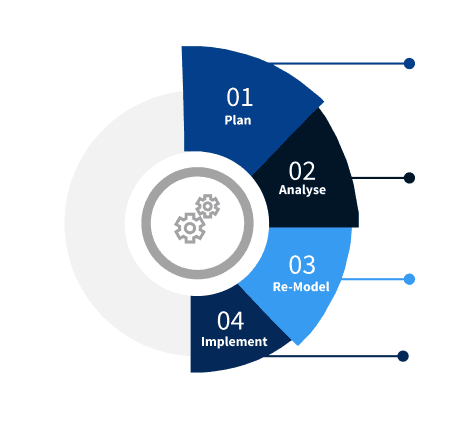
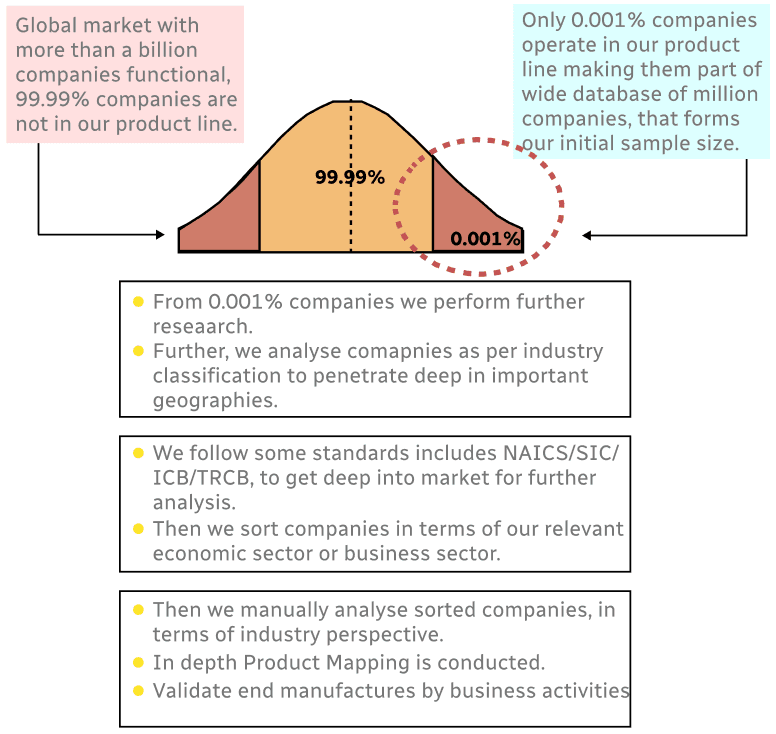
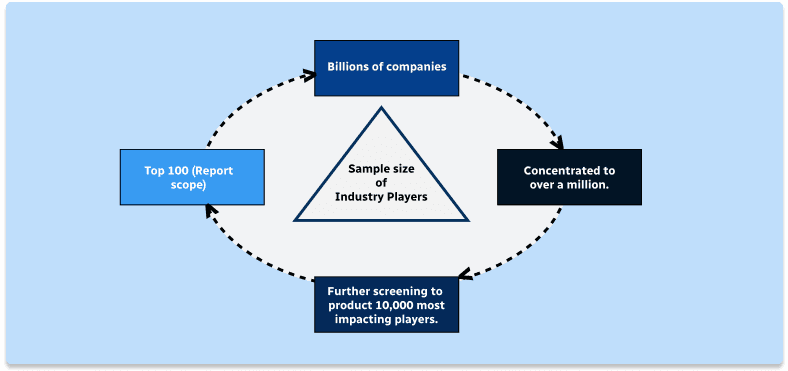
Step 1 - Identification of Relevant Samples Size from Population Database
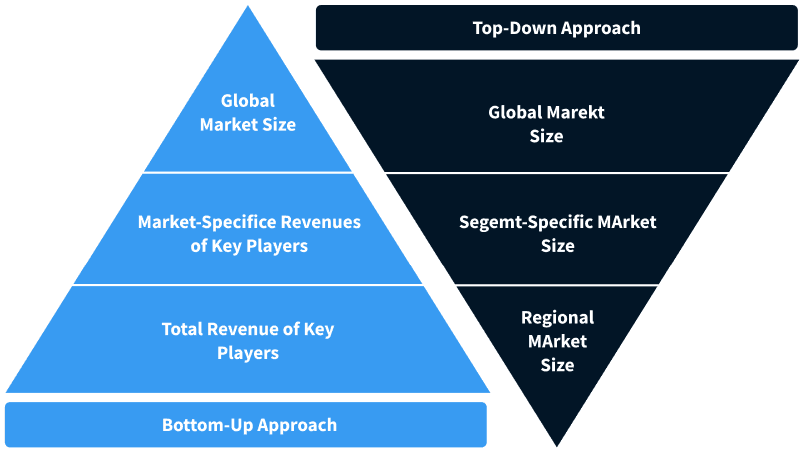
Step 2 - Approaches for Defining Global Market Size (Value, Volume* & Price*)
Note*: In applicable scenarios
Step 3 - Data Sources
Primary Research
- Web Analytics
- Survey Reports
- Research Institute
- Latest Research Reports
- Opinion Leaders
Secondary Research
- Annual Reports
- White Paper
- Latest Press Release
- Industry Association
- Paid Database
- Investor Presentations
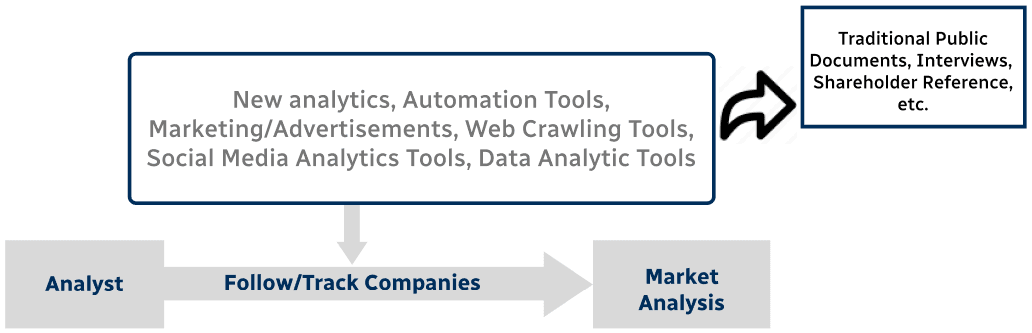
Step 4 - Data Triangulation
Involves using different sources of information in order to increase the validity of a study
These sources are likely to be stakeholders in a program - participants, other researchers, program staff, other community members, and so on.
Then we put all data in single framework & apply various statistical tools to find out the dynamic on the market.
During the analysis stage, feedback from the stakeholder groups would be compared to determine areas of agreement as well as areas of divergence