
Key Insights
The global Controlled (Coated) Release Fertilizer market is poised for robust expansion, projected to reach a substantial USD 3893.1 million by 2025 and exhibiting a healthy Compound Annual Growth Rate (CAGR) of 5.1% through 2033. This significant market growth is primarily fueled by the increasing adoption of advanced agricultural practices aimed at enhancing crop yields, optimizing nutrient utilization, and minimizing environmental impact. Farmers are recognizing the superior efficacy of controlled-release fertilizers, which deliver nutrients gradually and precisely when plants need them, thereby reducing nutrient leaching and wastage. This leads to improved soil health, decreased fertilizer application frequency, and ultimately, a more sustainable and profitable agricultural sector. The demand is further bolstered by growing awareness regarding the detrimental effects of conventional fertilizer overuse, pushing the industry towards more efficient and eco-friendly solutions.
The market is strategically segmented by application into Agriculture, Horticulture, and Turf and Landscape, with Agriculture representing the largest and fastest-growing segment due to its scale and the critical need for improved food production. Within product types, Polymer-Coated Products are witnessing escalating demand owing to their advanced nutrient release mechanisms and superior performance compared to Non-Polymer-Coated Products. Key market players are actively investing in research and development to innovate advanced coating technologies, leading to enhanced fertilizer efficiency and tailored nutrient delivery systems. Geographically, the Asia Pacific region, led by China and India, is expected to emerge as a dominant force, driven by a burgeoning population, increasing disposable incomes, and a strong governmental focus on agricultural modernization. North America and Europe also represent significant markets, characterized by advanced farming technologies and a strong emphasis on sustainable agriculture.
-Release-Fertilizer.png)
Controlled (Coated) Release Fertilizer Market Composition & Trends
The global controlled (coated) release fertilizer market is experiencing robust growth, driven by an increasing demand for precision agriculture solutions and sustainable farming practices. Market concentration is moderate, with a few key players like ICL, Nutrien (Agrium), and J.R. Simplot holding significant market share. Innovation catalysts are primarily focused on enhancing nutrient efficiency, extending release times, and developing environmentally friendly coating materials. Regulatory landscapes are evolving to favor slow and controlled-release fertilizers due to their reduced environmental impact, particularly concerning nutrient runoff and greenhouse gas emissions. Substitute products, such as conventional fertilizers, still hold a substantial market presence, but the superior performance and environmental benefits of coated fertilizers are gradually shifting preferences. End-user profiles are diverse, encompassing large-scale agricultural operations, commercial horticulture, and the professional turf and landscape management sectors. Mergers and acquisitions (M&A) are a notable trend, with strategic partnerships and acquisitions aimed at expanding product portfolios and market reach. The value of M&A deals is estimated to be in the range of several hundred million dollars annually, as companies consolidate to leverage economies of scale and technological expertise.
- Market Share Distribution: Key players are estimated to hold approximately 60% of the total market share.
- M&A Deal Values: Estimated to be in the range of $200 million to $500 million annually, driving industry consolidation.
- Innovation Focus: Enhancing nutrient use efficiency, biodegradable coatings, and targeted nutrient delivery.
-Release-Fertilizer.png)
Controlled (Coated) Release Fertilizer Industry Evolution
The controlled (coated) release fertilizer industry has witnessed a significant transformation over the historical period of 2019–2024, driven by a confluence of technological advancements, evolving agricultural practices, and a growing global emphasis on environmental sustainability. The market experienced a Compound Annual Growth Rate (CAGR) of approximately 8.5% during this period, with the base year of 2025 expected to continue this upward trajectory. This growth is intrinsically linked to the escalating need for optimized nutrient management in agriculture, horticulture, and turf management. Farmers and growers are increasingly recognizing the economic and environmental advantages of fertilizers that precisely control the release of nutrients, thereby minimizing losses to the environment and maximizing plant uptake.
Technological advancements have been pivotal in this evolution. The development of advanced coating materials, such as polymer-based encapsulation and sulfur-coated formulations, has significantly improved the efficacy and longevity of controlled-release fertilizers. These technologies allow for tailored nutrient release profiles, matching crop nutrient demands throughout their growth cycle. For instance, polymer-coated products have seen a surge in adoption due to their superior ability to provide consistent nutrient availability over extended periods, sometimes up to 365 days. This has directly addressed the inefficiencies associated with conventional fertilizer applications, which often lead to nutrient leaching and volatilization, contributing to water pollution and greenhouse gas emissions.
Shifting consumer demands and heightened environmental awareness have also played a crucial role. Consumers are increasingly concerned about the sustainability of food production, pushing agricultural stakeholders towards practices that reduce environmental footprints. Controlled-release fertilizers are perceived as a cornerstone of sustainable agriculture, contributing to reduced fertilizer usage, lower carbon emissions, and improved soil health. The adoption of these fertilizers is not merely a trend but a strategic imperative for the industry to meet stringent environmental regulations and respond to market pressures for eco-friendly products. The market is projected to continue its robust expansion, with an estimated CAGR of 9.0% during the forecast period of 2025–2033. This sustained growth will be fueled by ongoing innovation, increasing adoption in emerging markets, and a growing understanding of the long-term economic and environmental benefits. The market size, which was estimated to be around $5,000 million in 2024, is projected to reach over $10,000 million by 2033.
Leading Regions, Countries, or Segments in Controlled (Coated) Release Fertilizer
The controlled (coated) release fertilizer market is characterized by significant regional dominance and segment specialization, driven by diverse agricultural practices, economic development, and regulatory frameworks. Within the Application segment, Agriculture consistently leads, accounting for an estimated 70% of the total market revenue. This dominance is attributable to the sheer scale of agricultural operations globally, coupled with the increasing adoption of precision farming techniques aimed at maximizing crop yields while minimizing environmental impact. High-value crops, staple food production, and the drive for food security in developing nations all contribute to the substantial demand for efficient nutrient delivery systems.
Horticulture represents another significant application, estimated at 20% of the market share. This segment benefits from the precise nutrient requirements of fruits, vegetables, and ornamental plants. Controlled-release fertilizers ensure consistent nutrient availability in greenhouse and soilless culture systems, leading to improved plant health, better quality produce, and extended shelf life. The demand for premium quality produce in developed economies further bolsters this segment.
The Turf and Landscape segment, while smaller at an estimated 10% market share, is crucial for specialized applications. Golf courses, sports fields, and large-scale landscaping projects rely on controlled-release fertilizers to maintain lush, healthy turf with minimal maintenance and environmental concerns, particularly regarding water runoff into adjacent ecosystems.
In terms of Types, Polymer-Coated Products have emerged as the dominant force, capturing an estimated 75% of the market. This leadership is a direct result of ongoing advancements in polymer science, enabling the development of highly effective and customizable release mechanisms. These coatings offer superior control over nutrient release duration and rate, catering to a wide range of crop needs and environmental conditions. Innovations in biodegradable polymers are further enhancing their appeal from an environmental perspective.
Non Polymer-Coated Products, which include products like sulfur-coated fertilizers and formulations utilizing organic materials, constitute the remaining 25% of the market. While they offer cost advantages in certain applications, their nutrient release control is generally less precise compared to advanced polymer coatings. However, they remain relevant in specific agricultural contexts where cost-effectiveness is a primary driver and environmental regulations are less stringent.
Key drivers for dominance in these segments include:
- Investment Trends: Significant R&D investments by major players like ICL, Nutrien (Agrium), and J.R. Simplot in developing advanced coating technologies and expanding production capacities.
- Regulatory Support: Government initiatives promoting sustainable agriculture and stricter regulations on nutrient runoff in regions like North America and Europe are pushing for the adoption of coated fertilizers.
- Technological Advancements: Continuous improvements in coating materials and application technologies that enhance nutrient use efficiency and reduce environmental impact.
- Market Demand: Growing consumer awareness regarding food sustainability and environmental impact, coupled with the economic benefits of increased crop yields and reduced fertilizer waste.
Controlled (Coated) Release Fertilizer Product Innovations
Innovations in controlled (coated) release fertilizers are revolutionizing nutrient management. Manufacturers are developing advanced polymer coatings that offer highly precise and predictable nutrient release profiles, extending from a few weeks to over a year. These innovations include biodegradable coatings derived from renewable resources, reducing the environmental footprint. Furthermore, advancements in microencapsulation technology allow for the incorporation of micronutrients and beneficial microbes alongside macronutrients, creating integrated plant health solutions. Performance metrics are showing significant improvements, with nutrient use efficiency often increasing by up to 30% compared to conventional fertilizers, leading to reduced application rates and lower greenhouse gas emissions. Unique selling propositions now center on tailored release patterns for specific crops and growth stages, as well as enhanced soil health benefits.
Propelling Factors for Controlled (Coated) Release Fertilizer Growth
The controlled (coated) release fertilizer market is experiencing significant growth, propelled by several key factors. Technological advancements in coating materials and manufacturing processes are central, enabling more precise nutrient delivery and extended release durations. Increasing environmental consciousness and stricter regulations on nutrient runoff and greenhouse gas emissions are driving demand for sustainable fertilization solutions. Economic benefits for farmers, such as improved crop yields, reduced fertilizer application frequency and costs, and enhanced land productivity, are also critical drivers. Furthermore, the global emphasis on food security necessitates efficient agricultural practices, where controlled-release fertilizers play a vital role in maximizing resource utilization.
Obstacles in the Controlled (Coated) Release Fertilizer Market
Despite its growth, the controlled (coated) release fertilizer market faces several obstacles. Higher upfront costs compared to conventional fertilizers can be a significant barrier, particularly for small-scale farmers in price-sensitive markets. Complex application guidelines and the need for specialized knowledge to optimize usage can also deter some users. Regulatory variations across different regions regarding the approval and labeling of coated fertilizers can create market entry challenges. Supply chain disruptions, as experienced globally in recent years, can impact the availability and cost of raw materials and finished products. Finally, perceptions of limited efficacy in certain soil types or climatic conditions, although often based on older technologies, can still influence adoption rates.
Future Opportunities in Controlled (Coated) Release Fertilizer
The future of controlled (coated) release fertilizers is bright with emerging opportunities. Development of novel biodegradable and bio-based coating materials offers significant potential for enhanced sustainability and reduced environmental impact, aligning with global green initiatives. Expansion into emerging markets, particularly in Asia and Africa, presents a vast untapped demand driven by the need for improved agricultural productivity and food security. Integration with smart farming technologies, such as sensors and precision agriculture platforms, allows for hyper-personalized nutrient delivery, maximizing efficiency and yield. The growing demand for organic and sustainable produce will further fuel the market as consumers and regulators increasingly favor eco-friendly agricultural inputs.
Major Players in the Controlled (Coated) Release Fertilizer Ecosystem
- ICL
- Nutrien (Agrium)
- J.R. Simplot
- Knox Fertilizer Company
- Allied Nutrients
- Harrell's
- Florikan
- Haifa Group
- SQMVITAS
- OCI Nitrogen
- JCAM Agri
- Kingenta
- Anhui MOITH
- Central Glass Group
- Stanley Agriculture Group
- Shikefeng Chemical
Key Developments in Controlled (Coated) Release Fertilizer Industry
- 2023: Launch of new biodegradable polymer coatings by several key manufacturers, enhancing environmental sustainability.
- 2022: Strategic acquisition of a specialized coating technology firm by a major fertilizer producer to bolster R&D capabilities.
- 2021: Increased investment in expanding production capacities for polymer-coated fertilizers in response to growing market demand.
- 2020: Introduction of slow-release fertilizer formulations tailored for specific high-value crops in horticulture.
- 2019: Enhanced regulatory frameworks in several European countries promoting the use of controlled-release fertilizers due to environmental benefits.
Strategic Controlled (Coated) Release Fertilizer Market Forecast
The strategic outlook for the controlled (coated) release fertilizer market is exceptionally positive, driven by persistent global trends towards agricultural efficiency and environmental stewardship. The forecast period of 2025–2033 anticipates sustained high growth, fueled by continuous innovation in coating technologies, particularly in biodegradable and smart formulations. The increasing adoption in agriculture, horticulture, and turf management segments, alongside proactive regulatory support and a growing understanding of economic benefits, will solidify its market position. Opportunities in emerging economies and integration with precision agriculture technologies are set to unlock significant new market potential, making this a dynamic and growth-oriented sector.
Controlled (Coated) Release Fertilizer Segmentation
-
1. Application
- 1.1. Agriculture
- 1.2. Horticulture
- 1.3. Turf and Landscape
-
2. Types
- 2.1. Polymer-Coated Products
- 2.2. Non Polymer-Coated Products
Controlled (Coated) Release Fertilizer Segmentation By Geography
-
1. North America
- 1.1. United States
- 1.2. Canada
- 1.3. Mexico
-
2. South America
- 2.1. Brazil
- 2.2. Argentina
- 2.3. Rest of South America
-
3. Europe
- 3.1. United Kingdom
- 3.2. Germany
- 3.3. France
- 3.4. Italy
- 3.5. Spain
- 3.6. Russia
- 3.7. Benelux
- 3.8. Nordics
- 3.9. Rest of Europe
-
4. Middle East & Africa
- 4.1. Turkey
- 4.2. Israel
- 4.3. GCC
- 4.4. North Africa
- 4.5. South Africa
- 4.6. Rest of Middle East & Africa
-
5. Asia Pacific
- 5.1. China
- 5.2. India
- 5.3. Japan
- 5.4. South Korea
- 5.5. ASEAN
- 5.6. Oceania
- 5.7. Rest of Asia Pacific
-Release-Fertilizer.png)
Controlled (Coated) Release Fertilizer REPORT HIGHLIGHTS
| Aspects | Details |
|---|---|
| Study Period | 2019-2033 |
| Base Year | 2024 |
| Estimated Year | 2025 |
| Forecast Period | 2025-2033 |
| Historical Period | 2019-2024 |
| Growth Rate | CAGR of 5.1% from 2019-2033 |
| Segmentation |
|
Table of Contents
- 1. Introduction
- 1.1. Research Scope
- 1.2. Market Segmentation
- 1.3. Research Methodology
- 1.4. Definitions and Assumptions
- 2. Executive Summary
- 2.1. Introduction
- 3. Market Dynamics
- 3.1. Introduction
- 3.2. Market Drivers
- 3.3. Market Restrains
- 3.4. Market Trends
- 4. Market Factor Analysis
- 4.1. Porters Five Forces
- 4.2. Supply/Value Chain
- 4.3. PESTEL analysis
- 4.4. Market Entropy
- 4.5. Patent/Trademark Analysis
- 5. Global Controlled (Coated) Release Fertilizer Analysis, Insights and Forecast, 2019-2031
- 5.1. Market Analysis, Insights and Forecast - by Application
- 5.1.1. Agriculture
- 5.1.2. Horticulture
- 5.1.3. Turf and Landscape
- 5.2. Market Analysis, Insights and Forecast - by Types
- 5.2.1. Polymer-Coated Products
- 5.2.2. Non Polymer-Coated Products
- 5.3. Market Analysis, Insights and Forecast - by Region
- 5.3.1. North America
- 5.3.2. South America
- 5.3.3. Europe
- 5.3.4. Middle East & Africa
- 5.3.5. Asia Pacific
- 5.1. Market Analysis, Insights and Forecast - by Application
- 6. North America Controlled (Coated) Release Fertilizer Analysis, Insights and Forecast, 2019-2031
- 6.1. Market Analysis, Insights and Forecast - by Application
- 6.1.1. Agriculture
- 6.1.2. Horticulture
- 6.1.3. Turf and Landscape
- 6.2. Market Analysis, Insights and Forecast - by Types
- 6.2.1. Polymer-Coated Products
- 6.2.2. Non Polymer-Coated Products
- 6.1. Market Analysis, Insights and Forecast - by Application
- 7. South America Controlled (Coated) Release Fertilizer Analysis, Insights and Forecast, 2019-2031
- 7.1. Market Analysis, Insights and Forecast - by Application
- 7.1.1. Agriculture
- 7.1.2. Horticulture
- 7.1.3. Turf and Landscape
- 7.2. Market Analysis, Insights and Forecast - by Types
- 7.2.1. Polymer-Coated Products
- 7.2.2. Non Polymer-Coated Products
- 7.1. Market Analysis, Insights and Forecast - by Application
- 8. Europe Controlled (Coated) Release Fertilizer Analysis, Insights and Forecast, 2019-2031
- 8.1. Market Analysis, Insights and Forecast - by Application
- 8.1.1. Agriculture
- 8.1.2. Horticulture
- 8.1.3. Turf and Landscape
- 8.2. Market Analysis, Insights and Forecast - by Types
- 8.2.1. Polymer-Coated Products
- 8.2.2. Non Polymer-Coated Products
- 8.1. Market Analysis, Insights and Forecast - by Application
- 9. Middle East & Africa Controlled (Coated) Release Fertilizer Analysis, Insights and Forecast, 2019-2031
- 9.1. Market Analysis, Insights and Forecast - by Application
- 9.1.1. Agriculture
- 9.1.2. Horticulture
- 9.1.3. Turf and Landscape
- 9.2. Market Analysis, Insights and Forecast - by Types
- 9.2.1. Polymer-Coated Products
- 9.2.2. Non Polymer-Coated Products
- 9.1. Market Analysis, Insights and Forecast - by Application
- 10. Asia Pacific Controlled (Coated) Release Fertilizer Analysis, Insights and Forecast, 2019-2031
- 10.1. Market Analysis, Insights and Forecast - by Application
- 10.1.1. Agriculture
- 10.1.2. Horticulture
- 10.1.3. Turf and Landscape
- 10.2. Market Analysis, Insights and Forecast - by Types
- 10.2.1. Polymer-Coated Products
- 10.2.2. Non Polymer-Coated Products
- 10.1. Market Analysis, Insights and Forecast - by Application
- 11. Competitive Analysis
- 11.1. Global Market Share Analysis 2024
- 11.2. Company Profiles
- 11.2.1 ICL
- 11.2.1.1. Overview
- 11.2.1.2. Products
- 11.2.1.3. SWOT Analysis
- 11.2.1.4. Recent Developments
- 11.2.1.5. Financials (Based on Availability)
- 11.2.2 Nutrien (Agrium)
- 11.2.2.1. Overview
- 11.2.2.2. Products
- 11.2.2.3. SWOT Analysis
- 11.2.2.4. Recent Developments
- 11.2.2.5. Financials (Based on Availability)
- 11.2.3 J.R. Simplot
- 11.2.3.1. Overview
- 11.2.3.2. Products
- 11.2.3.3. SWOT Analysis
- 11.2.3.4. Recent Developments
- 11.2.3.5. Financials (Based on Availability)
- 11.2.4 Knox Fertilizer Company
- 11.2.4.1. Overview
- 11.2.4.2. Products
- 11.2.4.3. SWOT Analysis
- 11.2.4.4. Recent Developments
- 11.2.4.5. Financials (Based on Availability)
- 11.2.5 Allied Nutrients
- 11.2.5.1. Overview
- 11.2.5.2. Products
- 11.2.5.3. SWOT Analysis
- 11.2.5.4. Recent Developments
- 11.2.5.5. Financials (Based on Availability)
- 11.2.6 Harrell's
- 11.2.6.1. Overview
- 11.2.6.2. Products
- 11.2.6.3. SWOT Analysis
- 11.2.6.4. Recent Developments
- 11.2.6.5. Financials (Based on Availability)
- 11.2.7 Florikan
- 11.2.7.1. Overview
- 11.2.7.2. Products
- 11.2.7.3. SWOT Analysis
- 11.2.7.4. Recent Developments
- 11.2.7.5. Financials (Based on Availability)
- 11.2.8 Haifa Group
- 11.2.8.1. Overview
- 11.2.8.2. Products
- 11.2.8.3. SWOT Analysis
- 11.2.8.4. Recent Developments
- 11.2.8.5. Financials (Based on Availability)
- 11.2.9 SQMVITAS
- 11.2.9.1. Overview
- 11.2.9.2. Products
- 11.2.9.3. SWOT Analysis
- 11.2.9.4. Recent Developments
- 11.2.9.5. Financials (Based on Availability)
- 11.2.10 OCI Nitrogen
- 11.2.10.1. Overview
- 11.2.10.2. Products
- 11.2.10.3. SWOT Analysis
- 11.2.10.4. Recent Developments
- 11.2.10.5. Financials (Based on Availability)
- 11.2.11 JCAM Agri
- 11.2.11.1. Overview
- 11.2.11.2. Products
- 11.2.11.3. SWOT Analysis
- 11.2.11.4. Recent Developments
- 11.2.11.5. Financials (Based on Availability)
- 11.2.12 Kingenta
- 11.2.12.1. Overview
- 11.2.12.2. Products
- 11.2.12.3. SWOT Analysis
- 11.2.12.4. Recent Developments
- 11.2.12.5. Financials (Based on Availability)
- 11.2.13 Anhui MOITH
- 11.2.13.1. Overview
- 11.2.13.2. Products
- 11.2.13.3. SWOT Analysis
- 11.2.13.4. Recent Developments
- 11.2.13.5. Financials (Based on Availability)
- 11.2.14 Central Glass Group
- 11.2.14.1. Overview
- 11.2.14.2. Products
- 11.2.14.3. SWOT Analysis
- 11.2.14.4. Recent Developments
- 11.2.14.5. Financials (Based on Availability)
- 11.2.15 Stanley Agriculture Group
- 11.2.15.1. Overview
- 11.2.15.2. Products
- 11.2.15.3. SWOT Analysis
- 11.2.15.4. Recent Developments
- 11.2.15.5. Financials (Based on Availability)
- 11.2.16 Shikefeng Chemical
- 11.2.16.1. Overview
- 11.2.16.2. Products
- 11.2.16.3. SWOT Analysis
- 11.2.16.4. Recent Developments
- 11.2.16.5. Financials (Based on Availability)
- 11.2.1 ICL
List of Figures
- Figure 1: Global Controlled (Coated) Release Fertilizer Revenue Breakdown (million, %) by Region 2024 & 2032
- Figure 2: North America Controlled (Coated) Release Fertilizer Revenue (million), by Application 2024 & 2032
- Figure 3: North America Controlled (Coated) Release Fertilizer Revenue Share (%), by Application 2024 & 2032
- Figure 4: North America Controlled (Coated) Release Fertilizer Revenue (million), by Types 2024 & 2032
- Figure 5: North America Controlled (Coated) Release Fertilizer Revenue Share (%), by Types 2024 & 2032
- Figure 6: North America Controlled (Coated) Release Fertilizer Revenue (million), by Country 2024 & 2032
- Figure 7: North America Controlled (Coated) Release Fertilizer Revenue Share (%), by Country 2024 & 2032
- Figure 8: South America Controlled (Coated) Release Fertilizer Revenue (million), by Application 2024 & 2032
- Figure 9: South America Controlled (Coated) Release Fertilizer Revenue Share (%), by Application 2024 & 2032
- Figure 10: South America Controlled (Coated) Release Fertilizer Revenue (million), by Types 2024 & 2032
- Figure 11: South America Controlled (Coated) Release Fertilizer Revenue Share (%), by Types 2024 & 2032
- Figure 12: South America Controlled (Coated) Release Fertilizer Revenue (million), by Country 2024 & 2032
- Figure 13: South America Controlled (Coated) Release Fertilizer Revenue Share (%), by Country 2024 & 2032
- Figure 14: Europe Controlled (Coated) Release Fertilizer Revenue (million), by Application 2024 & 2032
- Figure 15: Europe Controlled (Coated) Release Fertilizer Revenue Share (%), by Application 2024 & 2032
- Figure 16: Europe Controlled (Coated) Release Fertilizer Revenue (million), by Types 2024 & 2032
- Figure 17: Europe Controlled (Coated) Release Fertilizer Revenue Share (%), by Types 2024 & 2032
- Figure 18: Europe Controlled (Coated) Release Fertilizer Revenue (million), by Country 2024 & 2032
- Figure 19: Europe Controlled (Coated) Release Fertilizer Revenue Share (%), by Country 2024 & 2032
- Figure 20: Middle East & Africa Controlled (Coated) Release Fertilizer Revenue (million), by Application 2024 & 2032
- Figure 21: Middle East & Africa Controlled (Coated) Release Fertilizer Revenue Share (%), by Application 2024 & 2032
- Figure 22: Middle East & Africa Controlled (Coated) Release Fertilizer Revenue (million), by Types 2024 & 2032
- Figure 23: Middle East & Africa Controlled (Coated) Release Fertilizer Revenue Share (%), by Types 2024 & 2032
- Figure 24: Middle East & Africa Controlled (Coated) Release Fertilizer Revenue (million), by Country 2024 & 2032
- Figure 25: Middle East & Africa Controlled (Coated) Release Fertilizer Revenue Share (%), by Country 2024 & 2032
- Figure 26: Asia Pacific Controlled (Coated) Release Fertilizer Revenue (million), by Application 2024 & 2032
- Figure 27: Asia Pacific Controlled (Coated) Release Fertilizer Revenue Share (%), by Application 2024 & 2032
- Figure 28: Asia Pacific Controlled (Coated) Release Fertilizer Revenue (million), by Types 2024 & 2032
- Figure 29: Asia Pacific Controlled (Coated) Release Fertilizer Revenue Share (%), by Types 2024 & 2032
- Figure 30: Asia Pacific Controlled (Coated) Release Fertilizer Revenue (million), by Country 2024 & 2032
- Figure 31: Asia Pacific Controlled (Coated) Release Fertilizer Revenue Share (%), by Country 2024 & 2032
List of Tables
- Table 1: Global Controlled (Coated) Release Fertilizer Revenue million Forecast, by Region 2019 & 2032
- Table 2: Global Controlled (Coated) Release Fertilizer Revenue million Forecast, by Application 2019 & 2032
- Table 3: Global Controlled (Coated) Release Fertilizer Revenue million Forecast, by Types 2019 & 2032
- Table 4: Global Controlled (Coated) Release Fertilizer Revenue million Forecast, by Region 2019 & 2032
- Table 5: Global Controlled (Coated) Release Fertilizer Revenue million Forecast, by Application 2019 & 2032
- Table 6: Global Controlled (Coated) Release Fertilizer Revenue million Forecast, by Types 2019 & 2032
- Table 7: Global Controlled (Coated) Release Fertilizer Revenue million Forecast, by Country 2019 & 2032
- Table 8: United States Controlled (Coated) Release Fertilizer Revenue (million) Forecast, by Application 2019 & 2032
- Table 9: Canada Controlled (Coated) Release Fertilizer Revenue (million) Forecast, by Application 2019 & 2032
- Table 10: Mexico Controlled (Coated) Release Fertilizer Revenue (million) Forecast, by Application 2019 & 2032
- Table 11: Global Controlled (Coated) Release Fertilizer Revenue million Forecast, by Application 2019 & 2032
- Table 12: Global Controlled (Coated) Release Fertilizer Revenue million Forecast, by Types 2019 & 2032
- Table 13: Global Controlled (Coated) Release Fertilizer Revenue million Forecast, by Country 2019 & 2032
- Table 14: Brazil Controlled (Coated) Release Fertilizer Revenue (million) Forecast, by Application 2019 & 2032
- Table 15: Argentina Controlled (Coated) Release Fertilizer Revenue (million) Forecast, by Application 2019 & 2032
- Table 16: Rest of South America Controlled (Coated) Release Fertilizer Revenue (million) Forecast, by Application 2019 & 2032
- Table 17: Global Controlled (Coated) Release Fertilizer Revenue million Forecast, by Application 2019 & 2032
- Table 18: Global Controlled (Coated) Release Fertilizer Revenue million Forecast, by Types 2019 & 2032
- Table 19: Global Controlled (Coated) Release Fertilizer Revenue million Forecast, by Country 2019 & 2032
- Table 20: United Kingdom Controlled (Coated) Release Fertilizer Revenue (million) Forecast, by Application 2019 & 2032
- Table 21: Germany Controlled (Coated) Release Fertilizer Revenue (million) Forecast, by Application 2019 & 2032
- Table 22: France Controlled (Coated) Release Fertilizer Revenue (million) Forecast, by Application 2019 & 2032
- Table 23: Italy Controlled (Coated) Release Fertilizer Revenue (million) Forecast, by Application 2019 & 2032
- Table 24: Spain Controlled (Coated) Release Fertilizer Revenue (million) Forecast, by Application 2019 & 2032
- Table 25: Russia Controlled (Coated) Release Fertilizer Revenue (million) Forecast, by Application 2019 & 2032
- Table 26: Benelux Controlled (Coated) Release Fertilizer Revenue (million) Forecast, by Application 2019 & 2032
- Table 27: Nordics Controlled (Coated) Release Fertilizer Revenue (million) Forecast, by Application 2019 & 2032
- Table 28: Rest of Europe Controlled (Coated) Release Fertilizer Revenue (million) Forecast, by Application 2019 & 2032
- Table 29: Global Controlled (Coated) Release Fertilizer Revenue million Forecast, by Application 2019 & 2032
- Table 30: Global Controlled (Coated) Release Fertilizer Revenue million Forecast, by Types 2019 & 2032
- Table 31: Global Controlled (Coated) Release Fertilizer Revenue million Forecast, by Country 2019 & 2032
- Table 32: Turkey Controlled (Coated) Release Fertilizer Revenue (million) Forecast, by Application 2019 & 2032
- Table 33: Israel Controlled (Coated) Release Fertilizer Revenue (million) Forecast, by Application 2019 & 2032
- Table 34: GCC Controlled (Coated) Release Fertilizer Revenue (million) Forecast, by Application 2019 & 2032
- Table 35: North Africa Controlled (Coated) Release Fertilizer Revenue (million) Forecast, by Application 2019 & 2032
- Table 36: South Africa Controlled (Coated) Release Fertilizer Revenue (million) Forecast, by Application 2019 & 2032
- Table 37: Rest of Middle East & Africa Controlled (Coated) Release Fertilizer Revenue (million) Forecast, by Application 2019 & 2032
- Table 38: Global Controlled (Coated) Release Fertilizer Revenue million Forecast, by Application 2019 & 2032
- Table 39: Global Controlled (Coated) Release Fertilizer Revenue million Forecast, by Types 2019 & 2032
- Table 40: Global Controlled (Coated) Release Fertilizer Revenue million Forecast, by Country 2019 & 2032
- Table 41: China Controlled (Coated) Release Fertilizer Revenue (million) Forecast, by Application 2019 & 2032
- Table 42: India Controlled (Coated) Release Fertilizer Revenue (million) Forecast, by Application 2019 & 2032
- Table 43: Japan Controlled (Coated) Release Fertilizer Revenue (million) Forecast, by Application 2019 & 2032
- Table 44: South Korea Controlled (Coated) Release Fertilizer Revenue (million) Forecast, by Application 2019 & 2032
- Table 45: ASEAN Controlled (Coated) Release Fertilizer Revenue (million) Forecast, by Application 2019 & 2032
- Table 46: Oceania Controlled (Coated) Release Fertilizer Revenue (million) Forecast, by Application 2019 & 2032
- Table 47: Rest of Asia Pacific Controlled (Coated) Release Fertilizer Revenue (million) Forecast, by Application 2019 & 2032
Frequently Asked Questions
1. What is the projected Compound Annual Growth Rate (CAGR) of the Controlled (Coated) Release Fertilizer?
The projected CAGR is approximately 5.1%.
2. Which companies are prominent players in the Controlled (Coated) Release Fertilizer?
Key companies in the market include ICL, Nutrien (Agrium), J.R. Simplot, Knox Fertilizer Company, Allied Nutrients, Harrell's, Florikan, Haifa Group, SQMVITAS, OCI Nitrogen, JCAM Agri, Kingenta, Anhui MOITH, Central Glass Group, Stanley Agriculture Group, Shikefeng Chemical.
3. What are the main segments of the Controlled (Coated) Release Fertilizer?
The market segments include Application, Types.
4. Can you provide details about the market size?
The market size is estimated to be USD 3893.1 million as of 2022.
5. What are some drivers contributing to market growth?
N/A
6. What are the notable trends driving market growth?
N/A
7. Are there any restraints impacting market growth?
N/A
8. Can you provide examples of recent developments in the market?
N/A
9. What pricing options are available for accessing the report?
Pricing options include single-user, multi-user, and enterprise licenses priced at USD 5900.00, USD 8850.00, and USD 11800.00 respectively.
10. Is the market size provided in terms of value or volume?
The market size is provided in terms of value, measured in million.
11. Are there any specific market keywords associated with the report?
Yes, the market keyword associated with the report is "Controlled (Coated) Release Fertilizer," which aids in identifying and referencing the specific market segment covered.
12. How do I determine which pricing option suits my needs best?
The pricing options vary based on user requirements and access needs. Individual users may opt for single-user licenses, while businesses requiring broader access may choose multi-user or enterprise licenses for cost-effective access to the report.
13. Are there any additional resources or data provided in the Controlled (Coated) Release Fertilizer report?
While the report offers comprehensive insights, it's advisable to review the specific contents or supplementary materials provided to ascertain if additional resources or data are available.
14. How can I stay updated on further developments or reports in the Controlled (Coated) Release Fertilizer?
To stay informed about further developments, trends, and reports in the Controlled (Coated) Release Fertilizer, consider subscribing to industry newsletters, following relevant companies and organizations, or regularly checking reputable industry news sources and publications.
Methodology
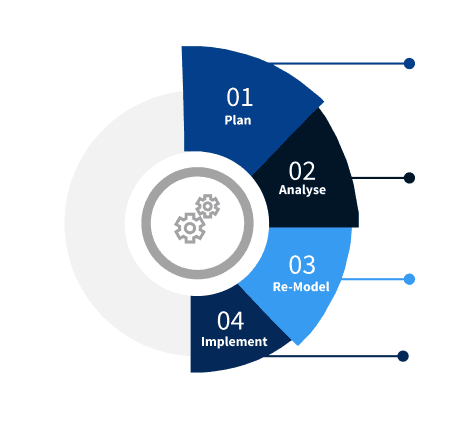
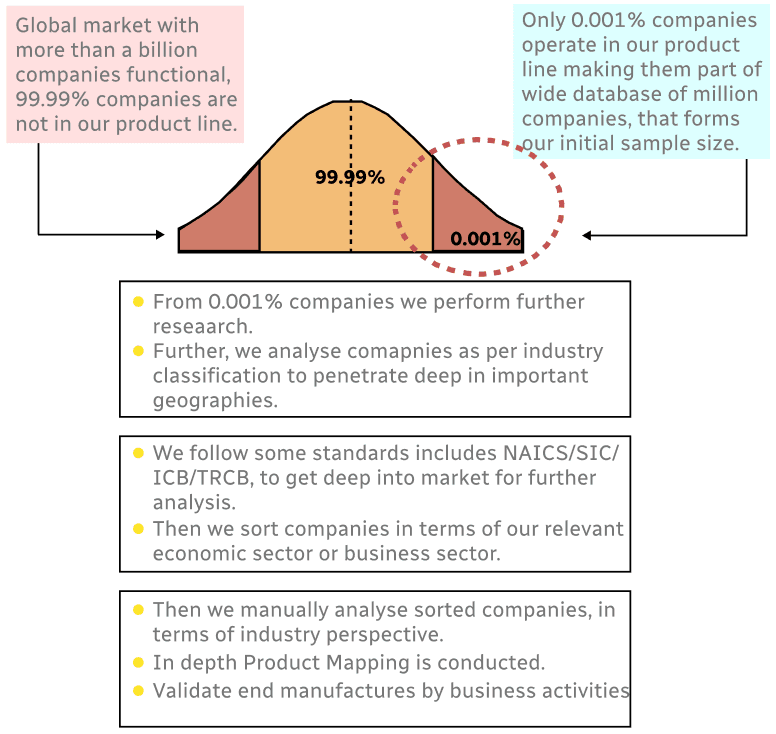
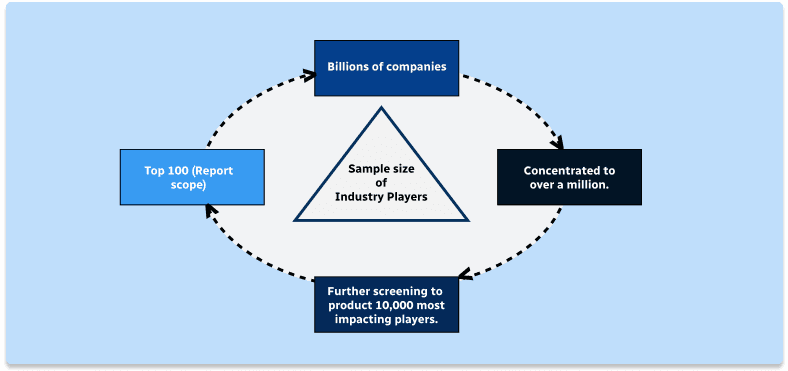
Step 1 - Identification of Relevant Samples Size from Population Database
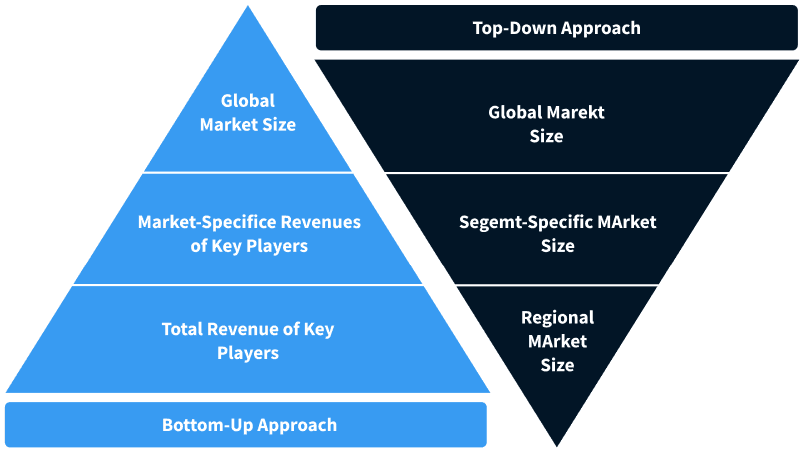
Step 2 - Approaches for Defining Global Market Size (Value, Volume* & Price*)
Note*: In applicable scenarios
Step 3 - Data Sources
Primary Research
- Web Analytics
- Survey Reports
- Research Institute
- Latest Research Reports
- Opinion Leaders
Secondary Research
- Annual Reports
- White Paper
- Latest Press Release
- Industry Association
- Paid Database
- Investor Presentations
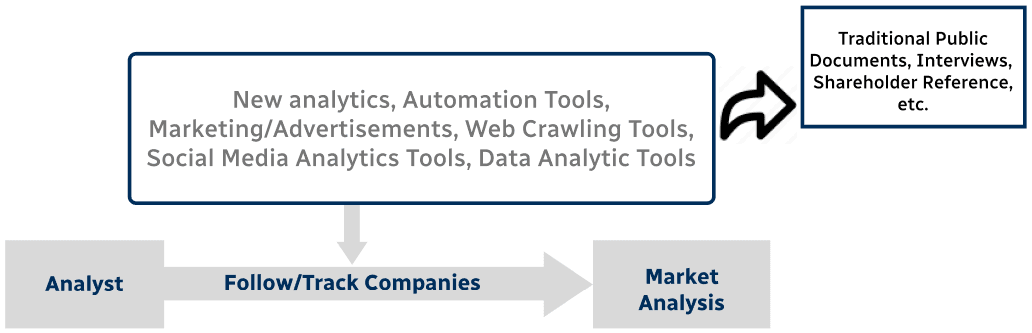
Step 4 - Data Triangulation
Involves using different sources of information in order to increase the validity of a study
These sources are likely to be stakeholders in a program - participants, other researchers, program staff, other community members, and so on.
Then we put all data in single framework & apply various statistical tools to find out the dynamic on the market.
During the analysis stage, feedback from the stakeholder groups would be compared to determine areas of agreement as well as areas of divergence