

Key Insights
The Middle East and Africa Anchors and Grouts market is experiencing robust growth, projected to maintain a Compound Annual Growth Rate (CAGR) exceeding 5.50% from 2025 to 2033. This expansion is fueled by several key drivers. Significant infrastructure development projects across the region, including large-scale construction of commercial buildings, residential complexes, and industrial facilities, are creating substantial demand for high-quality anchoring and grouting solutions. The increasing adoption of advanced construction techniques, such as precast concrete and curtain wall systems, further contributes to market growth. Furthermore, a rising focus on enhancing building safety and durability, coupled with stringent building codes, is driving the preference for reliable and long-lasting anchoring and grouting materials. The market is segmented by product type (chemical anchors, epoxy anchors, mechanical anchors, and grouts), application (residential, commercial, industrial), and region (with sub-regions within the Middle East and Africa). Competitive dynamics are shaped by a mix of global players like Sika AG, Saint-Gobain Weber, and MAPEI S.p.A., and regional companies catering to specific market needs. While the market faces potential restraints like fluctuating raw material prices and economic uncertainties, the overall long-term outlook remains positive, driven by sustained infrastructure investments and robust construction activity across the region.
The competitive landscape is characterized by a blend of multinational corporations and regional players. Established international companies benefit from brand recognition, advanced technologies, and extensive distribution networks. Local companies, however, often possess a strong understanding of regional market dynamics and can offer price-competitive products tailored to specific needs. This scenario leads to a dynamic market with a diverse range of product offerings and pricing strategies. Future market growth will depend on factors such as government policies promoting infrastructure development, the pace of urbanization, and technological advancements in anchoring and grouting materials. The market is expected to witness increased adoption of sustainable and eco-friendly products, reflecting a growing emphasis on environmental concerns within the construction industry. Strategic partnerships, mergers, and acquisitions are anticipated to reshape the competitive landscape further.
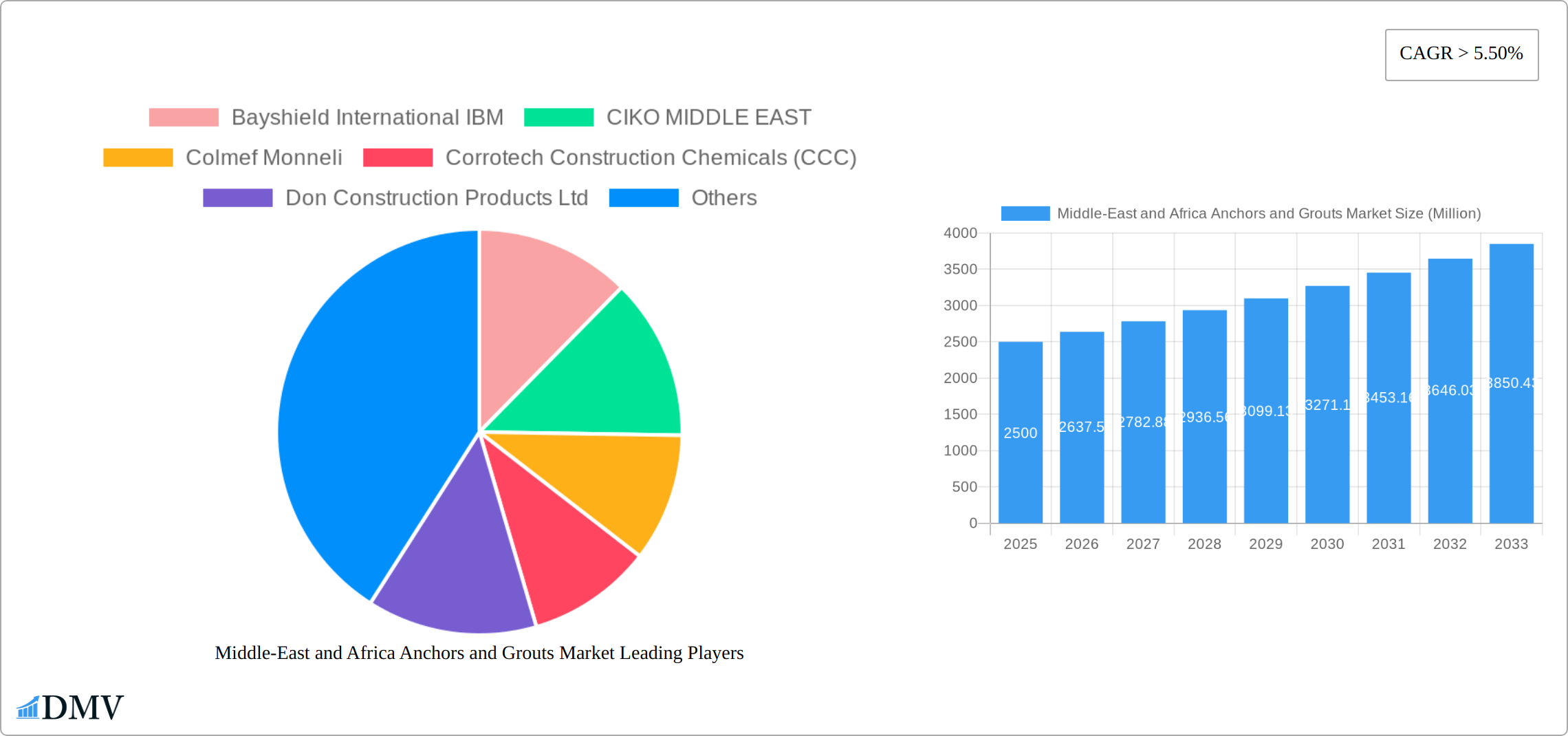
Middle-East and Africa Anchors and Grouts Market: A Comprehensive Report (2019-2033)
This insightful report provides a detailed analysis of the Middle East and Africa Anchors and Grouts market, offering a comprehensive overview of its current state, future trajectory, and key players. Spanning the period from 2019 to 2033, with a base year of 2025 and forecast period from 2025-2033, this report is essential for stakeholders seeking to understand and capitalize on opportunities within this dynamic market. The market is projected to reach xx Million by 2033, exhibiting a CAGR of xx% during the forecast period.
Middle-East and Africa Anchors and Grouts Market Market Composition & Trends
This section delves into the competitive landscape of the Middle East and Africa anchors and grouts market, evaluating market concentration, innovation drivers, regulatory frameworks, substitute products, end-user profiles, and significant mergers and acquisitions (M&A) activities. The market exhibits a moderately concentrated structure, with key players holding a significant share. However, the presence of several regional and niche players fosters competition. Innovation is driven by the demand for high-performance, sustainable, and specialized grouts and anchors catering to diverse construction applications. Regulatory landscapes vary across countries, influencing product specifications and safety standards. Substitute products, like epoxy resins and mechanical fasteners, pose some competition but often lack the versatility and performance characteristics of anchors and grouts. End-users primarily include construction companies, infrastructure developers, and industrial facilities.
- Market Share Distribution (2024): Sika AG (xx%), MAPEI S.p.A (xx%), Saint-Gobain Weber (xx%), Others (xx%).
- Significant M&A Activities: The November 2021 acquisition of MBCC Group by Sika AG exemplifies the ongoing consolidation within the industry, with an estimated deal value of xx Million. This signals a trend towards increased market concentration and enhanced competitiveness.
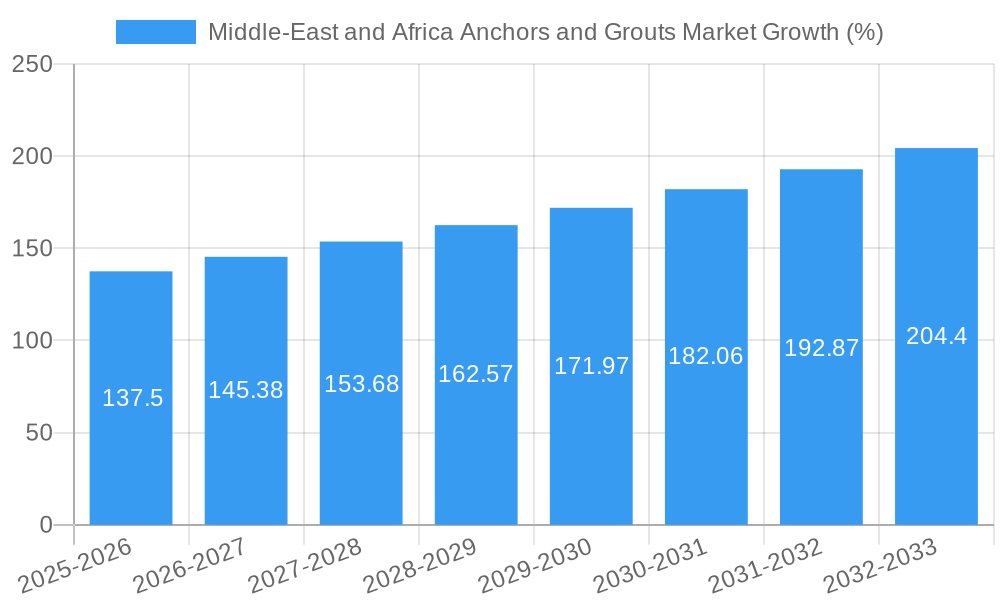
Middle-East and Africa Anchors and Grouts Market Industry Evolution
The Middle East and Africa anchors and grouts market has witnessed significant evolution, characterized by robust growth driven by factors such as rising infrastructure development, urbanization, and industrial expansion. Technological advancements, such as the introduction of high-performance polymers and innovative application methods, have enhanced product capabilities and efficiency. Shifting consumer demands toward eco-friendly and sustainable solutions are influencing the market, driving demand for products with reduced environmental impact. The market experienced a growth rate of xx% from 2019 to 2024 and is projected to maintain a robust growth trajectory throughout the forecast period. This growth is fueled by increased construction activity in major economies across the region, coupled with the adoption of advanced building technologies. The adoption of innovative grouts and anchors exhibiting superior bonding strength and durability contributes to increased market penetration.
Leading Regions, Countries, or Segments in Middle-East and Africa Anchors and Grouts Market
The Middle East region, particularly the UAE, Saudi Arabia, and Qatar, dominates the anchors and grouts market due to significant infrastructural development and construction projects. Several factors contribute to this dominance:
- High Infrastructure Spending: Significant government investments in infrastructure projects like airports, high-speed rail lines, and large-scale developments stimulate demand for anchors and grouts.
- Rapid Urbanization: The rapid pace of urbanization is a key factor driving demand for construction materials, including anchors and grouts, to support residential and commercial developments.
- Favorable Regulatory Environment: Supportive government policies and streamlined regulations ensure ease of operations for companies operating within this market.
Further analysis reveals that the segment of epoxy-based anchors and grouts demonstrates higher growth rates compared to other segments due to their enhanced performance characteristics and versatility.
Middle-East and Africa Anchors and Grouts Market Product Innovations
Recent innovations in anchors and grouts focus on enhancing performance characteristics, such as improved bonding strength, durability, and resistance to harsh environmental conditions. The incorporation of advanced polymers and specialized additives leads to products with superior properties. Furthermore, the introduction of pre-packaged, ready-to-use solutions streamlines installation and reduces application time, increasing efficiency in construction projects. These advancements cater to the increasing demand for faster construction timelines and higher building standards.
Propelling Factors for Middle-East and Africa Anchors and Grouts Market Growth
The Middle East and Africa anchors and grouts market is experiencing robust expansion, fueled by a confluence of dynamic economic and developmental forces. Key drivers include:
- Surging Infrastructure Development: A relentless wave of large-scale infrastructure projects, encompassing residential complexes, commercial buildings, transportation networks (roads, railways, airports), and industrial facilities, is creating substantial and sustained demand for high-performance anchors and specialized grouts. Rapid urbanization across the region further amplifies this need.
- Technological Innovations and Product Diversification: Continuous advancements in material science are leading to the development of innovative anchor and grout formulations. These include products with enhanced strength, faster curing times, improved chemical resistance, greater durability, and eco-friendly attributes. The introduction of self-leveling grouts, epoxy anchors, and chemical anchoring systems catering to diverse application requirements is significantly expanding market potential and attracting a wider customer base.
- Supportive Government Policies and Investments: Governments throughout the Middle East and Africa are actively promoting economic diversification and infrastructure development through supportive policies, favorable investment climates, and substantial public spending. Initiatives focused on housing, smart cities, renewable energy projects, and tourism infrastructure are directly stimulating the demand for construction chemicals like anchors and grouts.
- Growing Focus on Retrofitting and Renovation: Beyond new construction, there is a rising trend in retrofitting and renovating existing structures to meet modern safety standards, enhance energy efficiency, and adapt to changing functional requirements. This segment presents a significant opportunity for specialized anchors and grouts designed for structural repairs and strengthening.
Obstacles in the Middle-East and Africa Anchors and Grouts Market Market
Despite the positive growth trajectory, the Middle East and Africa anchors and grouts market navigates several challenges that can impact its momentum:
- Supply Chain Vulnerabilities and Logistics: Geopolitical instability, global trade disruptions, and logistical complexities inherent to the vast and diverse geography of the region can lead to raw material shortages, extended lead times, and increased transportation costs. This impacts product availability and can lead to production delays.
- Price Volatility of Key Raw Materials: The market's profitability is susceptible to significant fluctuations in the prices of essential raw materials, primarily cement, polymers, resins, and aggregates. Global commodity market trends, currency exchange rates, and supply-demand imbalances directly influence production costs, forcing manufacturers to either absorb higher costs or pass them on to consumers, potentially affecting market competitiveness.
- Intense Market Competition and Price Sensitivity: The presence of a wide array of domestic manufacturers, regional players, and international brands creates a highly competitive landscape. This often translates into intense price wars, particularly for standard product categories, which can put pressure on profit margins and necessitate a strong focus on cost optimization and value-added services.
- Regulatory Hurdles and Standardization: Varying building codes, safety regulations, and quality standards across different countries within the Middle East and Africa can create complexities for manufacturers and distributors. Navigating these diverse regulatory environments and ensuring compliance can be a significant operational challenge.
- Skilled Labor Shortages: The effective application of advanced anchoring and grouting systems often requires skilled labor and specialized training. Shortages of qualified professionals in some areas can hinder the adoption of sophisticated products and impact the quality of construction execution.
Future Opportunities in Middle-East and Africa Anchors and Grouts Market
The future outlook for the Middle East and Africa anchors and grouts market is bright, with several promising avenues for growth and innovation:
- Untapped Potential in Emerging Economies: Many countries within Sub-Saharan Africa and certain developing nations in the Middle East represent significant untapped markets. As these economies mature and their infrastructure development accelerates, there will be a burgeoning demand for a wide range of anchors and grouts, offering substantial growth opportunities for market players.
- Development and Adoption of High-Performance and Specialized Products: The increasing complexity of construction projects, including skyscrapers, bridges, tunnels, and specialized industrial facilities, will drive demand for high-performance and customized anchoring and grouting solutions. This includes advanced chemical anchors, precision grouts for heavy machinery, and repair mortars with specific properties, creating a niche for specialized product development.
- Growing Demand for Sustainable and Eco-Friendly Solutions: With a global and regional emphasis on environmental responsibility and sustainable construction practices, there is a significant opportunity for manufacturers to develop and promote eco-friendly anchors and grouts. This includes products with lower embodied carbon, recycled content, and reduced volatile organic compounds (VOCs), aligning with market trends and regulatory pressures.
- Technological Integration and Smart Construction: The integration of digital technologies in construction, such as Building Information Modeling (BIM) and prefabrication, will influence the demand for smart anchoring and grouting solutions. Products that can be easily integrated into pre-engineered systems or that offer smart monitoring capabilities present future growth prospects.
- Expansion of Rental and Service-Based Models: Beyond product sales, there is potential for service-based models, including specialized installation services, on-site technical support, and equipment rental for grouting applications, to gain traction in the market.
Major Players in the Middle-East and Africa Anchors and Grouts Market Ecosystem
- Bayshield International
- IBM
- CIKO MIDDLE EAST
- Colmef Monneli
- Corrotech Construction Chemicals (CCC)
- Don Construction Products Ltd
- Elmrr
- LATICRETE Middle East LLC
- MAPEI S p A
- MBCC Group
- RPM International Inc
- Saint-Gobain Weber
- Saudi Vetonit Co Ltd
- Sika AG
- Stick a Tile
Key Developments in Middle-East and Africa Anchors and Grouts Market Industry
- January 2022: Saint-Gobain Weber significantly bolstered its regional presence and production capabilities by inaugurating a state-of-the-art construction chemicals plant in Saudi Arabia. This strategic expansion aims to cater to the burgeoning demand for high-quality construction materials in the Kingdom and surrounding areas.
- November 2021: Sika AG completed its acquisition of MBCC Group, a move that has profoundly reshaped the competitive landscape of the global construction chemicals industry. This consolidation is expected to lead to enhanced market synergies, expanded product portfolios, and accelerated innovation within the Middle East and Africa region.
- Ongoing: Several key players are continuously investing in research and development to introduce new product lines focusing on sustainability, enhanced performance, and faster application times, responding to evolving market demands and regulatory requirements across various countries.
- Recent: Increased collaborations and partnerships between raw material suppliers and end-users are being observed, aimed at ensuring supply chain resilience and fostering innovation in product development and application techniques.
Strategic Middle-East and Africa Anchors and Grouts Market Market Forecast
The Middle East and Africa anchors and grouts market is projected to sustain its upward growth trajectory, driven by a confluence of powerful economic and developmental forces. The region's unwavering commitment to large-scale infrastructure development, coupled with accelerating urbanization and a growing emphasis on smart city initiatives, will continue to be the primary engines of demand. Furthermore, ongoing technological advancements leading to the development of more efficient, durable, and specialized anchoring and grouting solutions will play a crucial role in market expansion. A significant opportunity lies in the increasing global and regional focus on sustainable construction practices, which will fuel the demand for eco-friendly and innovative products. The market's positive growth outlook, characterized by both expansion in established markets and penetration into emerging economies, presents substantial and compelling opportunities for both established industry leaders and agile new entrants seeking to capitalize on the region's dynamic construction sector.
Middle-East and Africa Anchors and Grouts Market Segmentation
-
1. Type
- 1.1. Cementitious Fixing
- 1.2. Resin Fixing
- 1.3. Bedding Mortars
- 1.4. Others
-
2. End-user Industry
- 2.1. Residential
- 2.2. Non-residential
- 2.3. Infrastructure
-
3. Geography
- 3.1. Saudi Arabia
- 3.2. United Arab Emirates
- 3.3. South Africa
- 3.4. Rest of Middle-East and Africa
Middle-East and Africa Anchors and Grouts Market Segmentation By Geography
- 1. Saudi Arabia
- 2. United Arab Emirates
- 3. South Africa
- 4. Rest of Middle East and Africa
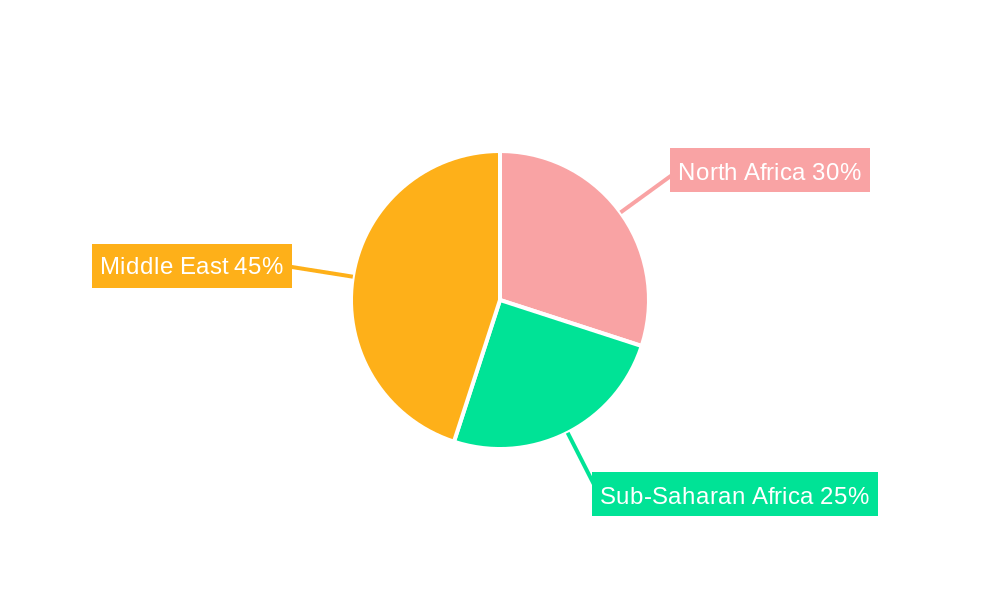
Middle-East and Africa Anchors and Grouts Market REPORT HIGHLIGHTS
| Aspects | Details |
|---|---|
| Study Period | 2019-2033 |
| Base Year | 2024 |
| Estimated Year | 2025 |
| Forecast Period | 2025-2033 |
| Historical Period | 2019-2024 |
| Growth Rate | CAGR of > 5.50% from 2019-2033 |
| Segmentation |
|
Table of Contents
- 1. Introduction
- 1.1. Research Scope
- 1.2. Market Segmentation
- 1.3. Research Methodology
- 1.4. Definitions and Assumptions
- 2. Executive Summary
- 2.1. Introduction
- 3. Market Dynamics
- 3.1. Introduction
- 3.2. Market Drivers
- 3.2.1. Growing Demand for Anchors and Grouts from the Construction Industry; High Pressure on Existing Infrastructure Due to the Rising Population
- 3.3. Market Restrains
- 3.3.1. Growing Demand for Anchors and Grouts from the Construction Industry; High Pressure on Existing Infrastructure Due to the Rising Population
- 3.4. Market Trends
- 3.4.1. Growing Demand from the Non - Residential Segment
- 4. Market Factor Analysis
- 4.1. Porters Five Forces
- 4.2. Supply/Value Chain
- 4.3. PESTEL analysis
- 4.4. Market Entropy
- 4.5. Patent/Trademark Analysis
- 5. Global Middle-East and Africa Anchors and Grouts Market Analysis, Insights and Forecast, 2019-2031
- 5.1. Market Analysis, Insights and Forecast - by Type
- 5.1.1. Cementitious Fixing
- 5.1.2. Resin Fixing
- 5.1.3. Bedding Mortars
- 5.1.4. Others
- 5.2. Market Analysis, Insights and Forecast - by End-user Industry
- 5.2.1. Residential
- 5.2.2. Non-residential
- 5.2.3. Infrastructure
- 5.3. Market Analysis, Insights and Forecast - by Geography
- 5.3.1. Saudi Arabia
- 5.3.2. United Arab Emirates
- 5.3.3. South Africa
- 5.3.4. Rest of Middle-East and Africa
- 5.4. Market Analysis, Insights and Forecast - by Region
- 5.4.1. Saudi Arabia
- 5.4.2. United Arab Emirates
- 5.4.3. South Africa
- 5.4.4. Rest of Middle East and Africa
- 5.1. Market Analysis, Insights and Forecast - by Type
- 6. Saudi Arabia Middle-East and Africa Anchors and Grouts Market Analysis, Insights and Forecast, 2019-2031
- 6.1. Market Analysis, Insights and Forecast - by Type
- 6.1.1. Cementitious Fixing
- 6.1.2. Resin Fixing
- 6.1.3. Bedding Mortars
- 6.1.4. Others
- 6.2. Market Analysis, Insights and Forecast - by End-user Industry
- 6.2.1. Residential
- 6.2.2. Non-residential
- 6.2.3. Infrastructure
- 6.3. Market Analysis, Insights and Forecast - by Geography
- 6.3.1. Saudi Arabia
- 6.3.2. United Arab Emirates
- 6.3.3. South Africa
- 6.3.4. Rest of Middle-East and Africa
- 6.1. Market Analysis, Insights and Forecast - by Type
- 7. United Arab Emirates Middle-East and Africa Anchors and Grouts Market Analysis, Insights and Forecast, 2019-2031
- 7.1. Market Analysis, Insights and Forecast - by Type
- 7.1.1. Cementitious Fixing
- 7.1.2. Resin Fixing
- 7.1.3. Bedding Mortars
- 7.1.4. Others
- 7.2. Market Analysis, Insights and Forecast - by End-user Industry
- 7.2.1. Residential
- 7.2.2. Non-residential
- 7.2.3. Infrastructure
- 7.3. Market Analysis, Insights and Forecast - by Geography
- 7.3.1. Saudi Arabia
- 7.3.2. United Arab Emirates
- 7.3.3. South Africa
- 7.3.4. Rest of Middle-East and Africa
- 7.1. Market Analysis, Insights and Forecast - by Type
- 8. South Africa Middle-East and Africa Anchors and Grouts Market Analysis, Insights and Forecast, 2019-2031
- 8.1. Market Analysis, Insights and Forecast - by Type
- 8.1.1. Cementitious Fixing
- 8.1.2. Resin Fixing
- 8.1.3. Bedding Mortars
- 8.1.4. Others
- 8.2. Market Analysis, Insights and Forecast - by End-user Industry
- 8.2.1. Residential
- 8.2.2. Non-residential
- 8.2.3. Infrastructure
- 8.3. Market Analysis, Insights and Forecast - by Geography
- 8.3.1. Saudi Arabia
- 8.3.2. United Arab Emirates
- 8.3.3. South Africa
- 8.3.4. Rest of Middle-East and Africa
- 8.1. Market Analysis, Insights and Forecast - by Type
- 9. Rest of Middle East and Africa Middle-East and Africa Anchors and Grouts Market Analysis, Insights and Forecast, 2019-2031
- 9.1. Market Analysis, Insights and Forecast - by Type
- 9.1.1. Cementitious Fixing
- 9.1.2. Resin Fixing
- 9.1.3. Bedding Mortars
- 9.1.4. Others
- 9.2. Market Analysis, Insights and Forecast - by End-user Industry
- 9.2.1. Residential
- 9.2.2. Non-residential
- 9.2.3. Infrastructure
- 9.3. Market Analysis, Insights and Forecast - by Geography
- 9.3.1. Saudi Arabia
- 9.3.2. United Arab Emirates
- 9.3.3. South Africa
- 9.3.4. Rest of Middle-East and Africa
- 9.1. Market Analysis, Insights and Forecast - by Type
- 10. Competitive Analysis
- 10.1. Global Market Share Analysis 2024
- 10.2. Company Profiles
- 10.2.1 Bayshield International IBM
- 10.2.1.1. Overview
- 10.2.1.2. Products
- 10.2.1.3. SWOT Analysis
- 10.2.1.4. Recent Developments
- 10.2.1.5. Financials (Based on Availability)
- 10.2.2 CIKO MIDDLE EAST
- 10.2.2.1. Overview
- 10.2.2.2. Products
- 10.2.2.3. SWOT Analysis
- 10.2.2.4. Recent Developments
- 10.2.2.5. Financials (Based on Availability)
- 10.2.3 Colmef Monneli
- 10.2.3.1. Overview
- 10.2.3.2. Products
- 10.2.3.3. SWOT Analysis
- 10.2.3.4. Recent Developments
- 10.2.3.5. Financials (Based on Availability)
- 10.2.4 Corrotech Construction Chemicals (CCC)
- 10.2.4.1. Overview
- 10.2.4.2. Products
- 10.2.4.3. SWOT Analysis
- 10.2.4.4. Recent Developments
- 10.2.4.5. Financials (Based on Availability)
- 10.2.5 Don Construction Products Ltd
- 10.2.5.1. Overview
- 10.2.5.2. Products
- 10.2.5.3. SWOT Analysis
- 10.2.5.4. Recent Developments
- 10.2.5.5. Financials (Based on Availability)
- 10.2.6 Elmrr
- 10.2.6.1. Overview
- 10.2.6.2. Products
- 10.2.6.3. SWOT Analysis
- 10.2.6.4. Recent Developments
- 10.2.6.5. Financials (Based on Availability)
- 10.2.7 LATICRETE Middle East LLC
- 10.2.7.1. Overview
- 10.2.7.2. Products
- 10.2.7.3. SWOT Analysis
- 10.2.7.4. Recent Developments
- 10.2.7.5. Financials (Based on Availability)
- 10.2.8 MAPEI S p A
- 10.2.8.1. Overview
- 10.2.8.2. Products
- 10.2.8.3. SWOT Analysis
- 10.2.8.4. Recent Developments
- 10.2.8.5. Financials (Based on Availability)
- 10.2.9 MBCC Group
- 10.2.9.1. Overview
- 10.2.9.2. Products
- 10.2.9.3. SWOT Analysis
- 10.2.9.4. Recent Developments
- 10.2.9.5. Financials (Based on Availability)
- 10.2.10 RPM International Inc
- 10.2.10.1. Overview
- 10.2.10.2. Products
- 10.2.10.3. SWOT Analysis
- 10.2.10.4. Recent Developments
- 10.2.10.5. Financials (Based on Availability)
- 10.2.11 Saint-Gobain Weber
- 10.2.11.1. Overview
- 10.2.11.2. Products
- 10.2.11.3. SWOT Analysis
- 10.2.11.4. Recent Developments
- 10.2.11.5. Financials (Based on Availability)
- 10.2.12 Saudi Vetonit Co Ltd
- 10.2.12.1. Overview
- 10.2.12.2. Products
- 10.2.12.3. SWOT Analysis
- 10.2.12.4. Recent Developments
- 10.2.12.5. Financials (Based on Availability)
- 10.2.13 Sika AG
- 10.2.13.1. Overview
- 10.2.13.2. Products
- 10.2.13.3. SWOT Analysis
- 10.2.13.4. Recent Developments
- 10.2.13.5. Financials (Based on Availability)
- 10.2.14 Stick a Tile*List Not Exhaustive
- 10.2.14.1. Overview
- 10.2.14.2. Products
- 10.2.14.3. SWOT Analysis
- 10.2.14.4. Recent Developments
- 10.2.14.5. Financials (Based on Availability)
- 10.2.1 Bayshield International IBM
List of Figures
- Figure 1: Global Middle-East and Africa Anchors and Grouts Market Revenue Breakdown (Million, %) by Region 2024 & 2032
- Figure 2: Saudi Arabia Middle-East and Africa Anchors and Grouts Market Revenue (Million), by Type 2024 & 2032
- Figure 3: Saudi Arabia Middle-East and Africa Anchors and Grouts Market Revenue Share (%), by Type 2024 & 2032
- Figure 4: Saudi Arabia Middle-East and Africa Anchors and Grouts Market Revenue (Million), by End-user Industry 2024 & 2032
- Figure 5: Saudi Arabia Middle-East and Africa Anchors and Grouts Market Revenue Share (%), by End-user Industry 2024 & 2032
- Figure 6: Saudi Arabia Middle-East and Africa Anchors and Grouts Market Revenue (Million), by Geography 2024 & 2032
- Figure 7: Saudi Arabia Middle-East and Africa Anchors and Grouts Market Revenue Share (%), by Geography 2024 & 2032
- Figure 8: Saudi Arabia Middle-East and Africa Anchors and Grouts Market Revenue (Million), by Country 2024 & 2032
- Figure 9: Saudi Arabia Middle-East and Africa Anchors and Grouts Market Revenue Share (%), by Country 2024 & 2032
- Figure 10: United Arab Emirates Middle-East and Africa Anchors and Grouts Market Revenue (Million), by Type 2024 & 2032
- Figure 11: United Arab Emirates Middle-East and Africa Anchors and Grouts Market Revenue Share (%), by Type 2024 & 2032
- Figure 12: United Arab Emirates Middle-East and Africa Anchors and Grouts Market Revenue (Million), by End-user Industry 2024 & 2032
- Figure 13: United Arab Emirates Middle-East and Africa Anchors and Grouts Market Revenue Share (%), by End-user Industry 2024 & 2032
- Figure 14: United Arab Emirates Middle-East and Africa Anchors and Grouts Market Revenue (Million), by Geography 2024 & 2032
- Figure 15: United Arab Emirates Middle-East and Africa Anchors and Grouts Market Revenue Share (%), by Geography 2024 & 2032
- Figure 16: United Arab Emirates Middle-East and Africa Anchors and Grouts Market Revenue (Million), by Country 2024 & 2032
- Figure 17: United Arab Emirates Middle-East and Africa Anchors and Grouts Market Revenue Share (%), by Country 2024 & 2032
- Figure 18: South Africa Middle-East and Africa Anchors and Grouts Market Revenue (Million), by Type 2024 & 2032
- Figure 19: South Africa Middle-East and Africa Anchors and Grouts Market Revenue Share (%), by Type 2024 & 2032
- Figure 20: South Africa Middle-East and Africa Anchors and Grouts Market Revenue (Million), by End-user Industry 2024 & 2032
- Figure 21: South Africa Middle-East and Africa Anchors and Grouts Market Revenue Share (%), by End-user Industry 2024 & 2032
- Figure 22: South Africa Middle-East and Africa Anchors and Grouts Market Revenue (Million), by Geography 2024 & 2032
- Figure 23: South Africa Middle-East and Africa Anchors and Grouts Market Revenue Share (%), by Geography 2024 & 2032
- Figure 24: South Africa Middle-East and Africa Anchors and Grouts Market Revenue (Million), by Country 2024 & 2032
- Figure 25: South Africa Middle-East and Africa Anchors and Grouts Market Revenue Share (%), by Country 2024 & 2032
- Figure 26: Rest of Middle East and Africa Middle-East and Africa Anchors and Grouts Market Revenue (Million), by Type 2024 & 2032
- Figure 27: Rest of Middle East and Africa Middle-East and Africa Anchors and Grouts Market Revenue Share (%), by Type 2024 & 2032
- Figure 28: Rest of Middle East and Africa Middle-East and Africa Anchors and Grouts Market Revenue (Million), by End-user Industry 2024 & 2032
- Figure 29: Rest of Middle East and Africa Middle-East and Africa Anchors and Grouts Market Revenue Share (%), by End-user Industry 2024 & 2032
- Figure 30: Rest of Middle East and Africa Middle-East and Africa Anchors and Grouts Market Revenue (Million), by Geography 2024 & 2032
- Figure 31: Rest of Middle East and Africa Middle-East and Africa Anchors and Grouts Market Revenue Share (%), by Geography 2024 & 2032
- Figure 32: Rest of Middle East and Africa Middle-East and Africa Anchors and Grouts Market Revenue (Million), by Country 2024 & 2032
- Figure 33: Rest of Middle East and Africa Middle-East and Africa Anchors and Grouts Market Revenue Share (%), by Country 2024 & 2032
List of Tables
- Table 1: Global Middle-East and Africa Anchors and Grouts Market Revenue Million Forecast, by Region 2019 & 2032
- Table 2: Global Middle-East and Africa Anchors and Grouts Market Revenue Million Forecast, by Type 2019 & 2032
- Table 3: Global Middle-East and Africa Anchors and Grouts Market Revenue Million Forecast, by End-user Industry 2019 & 2032
- Table 4: Global Middle-East and Africa Anchors and Grouts Market Revenue Million Forecast, by Geography 2019 & 2032
- Table 5: Global Middle-East and Africa Anchors and Grouts Market Revenue Million Forecast, by Region 2019 & 2032
- Table 6: Global Middle-East and Africa Anchors and Grouts Market Revenue Million Forecast, by Type 2019 & 2032
- Table 7: Global Middle-East and Africa Anchors and Grouts Market Revenue Million Forecast, by End-user Industry 2019 & 2032
- Table 8: Global Middle-East and Africa Anchors and Grouts Market Revenue Million Forecast, by Geography 2019 & 2032
- Table 9: Global Middle-East and Africa Anchors and Grouts Market Revenue Million Forecast, by Country 2019 & 2032
- Table 10: Global Middle-East and Africa Anchors and Grouts Market Revenue Million Forecast, by Type 2019 & 2032
- Table 11: Global Middle-East and Africa Anchors and Grouts Market Revenue Million Forecast, by End-user Industry 2019 & 2032
- Table 12: Global Middle-East and Africa Anchors and Grouts Market Revenue Million Forecast, by Geography 2019 & 2032
- Table 13: Global Middle-East and Africa Anchors and Grouts Market Revenue Million Forecast, by Country 2019 & 2032
- Table 14: Global Middle-East and Africa Anchors and Grouts Market Revenue Million Forecast, by Type 2019 & 2032
- Table 15: Global Middle-East and Africa Anchors and Grouts Market Revenue Million Forecast, by End-user Industry 2019 & 2032
- Table 16: Global Middle-East and Africa Anchors and Grouts Market Revenue Million Forecast, by Geography 2019 & 2032
- Table 17: Global Middle-East and Africa Anchors and Grouts Market Revenue Million Forecast, by Country 2019 & 2032
- Table 18: Global Middle-East and Africa Anchors and Grouts Market Revenue Million Forecast, by Type 2019 & 2032
- Table 19: Global Middle-East and Africa Anchors and Grouts Market Revenue Million Forecast, by End-user Industry 2019 & 2032
- Table 20: Global Middle-East and Africa Anchors and Grouts Market Revenue Million Forecast, by Geography 2019 & 2032
- Table 21: Global Middle-East and Africa Anchors and Grouts Market Revenue Million Forecast, by Country 2019 & 2032
Frequently Asked Questions
1. What is the projected Compound Annual Growth Rate (CAGR) of the Middle-East and Africa Anchors and Grouts Market?
The projected CAGR is approximately > 5.50%.
2. Which companies are prominent players in the Middle-East and Africa Anchors and Grouts Market?
Key companies in the market include Bayshield International IBM, CIKO MIDDLE EAST, Colmef Monneli, Corrotech Construction Chemicals (CCC), Don Construction Products Ltd, Elmrr, LATICRETE Middle East LLC, MAPEI S p A, MBCC Group, RPM International Inc, Saint-Gobain Weber, Saudi Vetonit Co Ltd, Sika AG, Stick a Tile*List Not Exhaustive.
3. What are the main segments of the Middle-East and Africa Anchors and Grouts Market?
The market segments include Type, End-user Industry, Geography.
4. Can you provide details about the market size?
The market size is estimated to be USD XX Million as of 2022.
5. What are some drivers contributing to market growth?
Growing Demand for Anchors and Grouts from the Construction Industry; High Pressure on Existing Infrastructure Due to the Rising Population.
6. What are the notable trends driving market growth?
Growing Demand from the Non - Residential Segment.
7. Are there any restraints impacting market growth?
Growing Demand for Anchors and Grouts from the Construction Industry; High Pressure on Existing Infrastructure Due to the Rising Population.
8. Can you provide examples of recent developments in the market?
In January 2022, Saint-Gobain Weber inaugurated A new construction chemical plant to expand its footprint in the Kingdom of Saudi Arabia (KSA).
9. What pricing options are available for accessing the report?
Pricing options include single-user, multi-user, and enterprise licenses priced at USD 4750, USD 5250, and USD 8750 respectively.
10. Is the market size provided in terms of value or volume?
The market size is provided in terms of value, measured in Million.
11. Are there any specific market keywords associated with the report?
Yes, the market keyword associated with the report is "Middle-East and Africa Anchors and Grouts Market," which aids in identifying and referencing the specific market segment covered.
12. How do I determine which pricing option suits my needs best?
The pricing options vary based on user requirements and access needs. Individual users may opt for single-user licenses, while businesses requiring broader access may choose multi-user or enterprise licenses for cost-effective access to the report.
13. Are there any additional resources or data provided in the Middle-East and Africa Anchors and Grouts Market report?
While the report offers comprehensive insights, it's advisable to review the specific contents or supplementary materials provided to ascertain if additional resources or data are available.
14. How can I stay updated on further developments or reports in the Middle-East and Africa Anchors and Grouts Market?
To stay informed about further developments, trends, and reports in the Middle-East and Africa Anchors and Grouts Market, consider subscribing to industry newsletters, following relevant companies and organizations, or regularly checking reputable industry news sources and publications.
Methodology
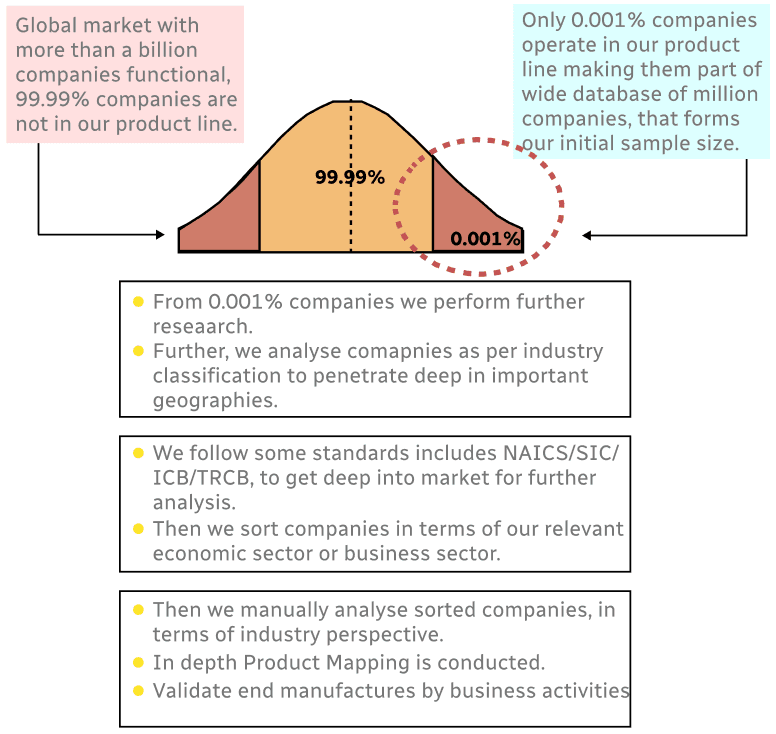
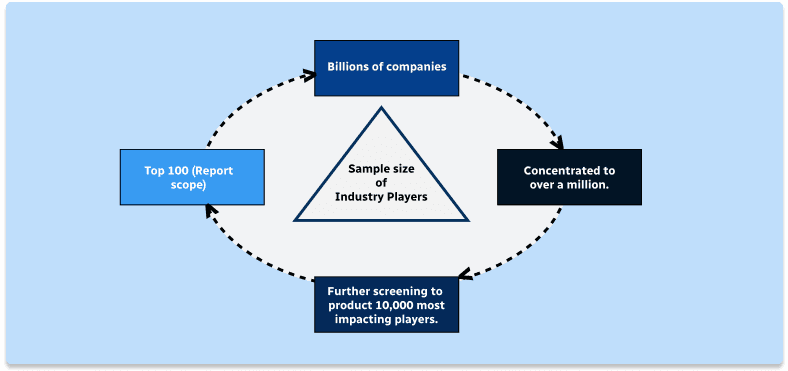
Step 1 - Identification of Relevant Samples Size from Population Database
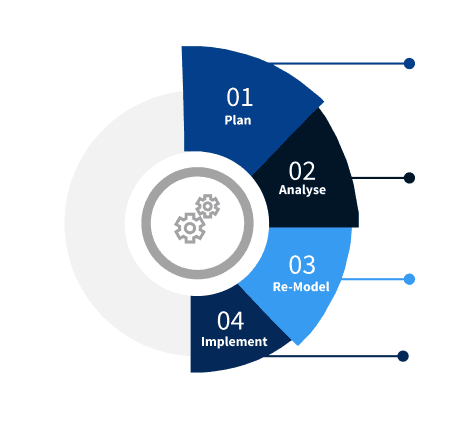
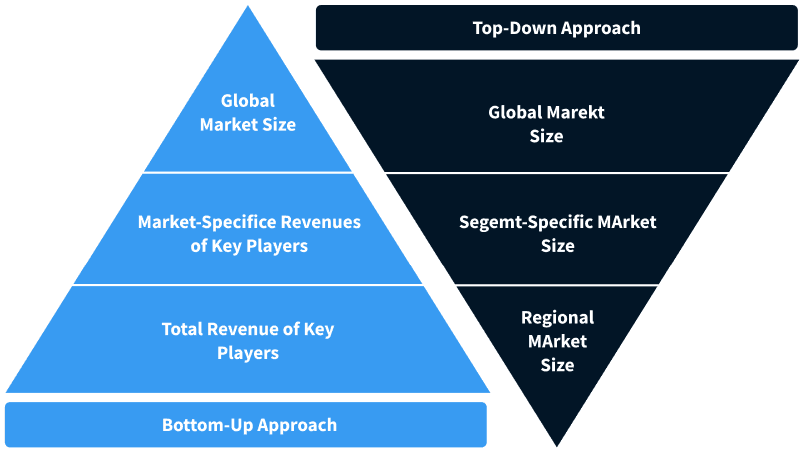
Step 2 - Approaches for Defining Global Market Size (Value, Volume* & Price*)
Note*: In applicable scenarios
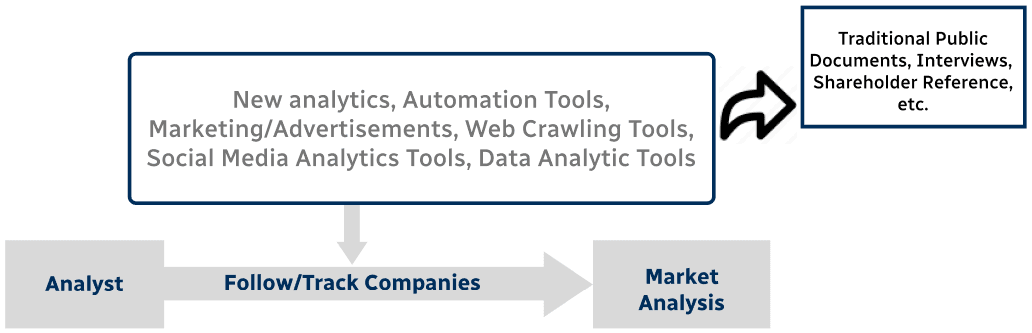
Step 3 - Data Sources
Primary Research
- Web Analytics
- Survey Reports
- Research Institute
- Latest Research Reports
- Opinion Leaders
Secondary Research
- Annual Reports
- White Paper
- Latest Press Release
- Industry Association
- Paid Database
- Investor Presentations
Step 4 - Data Triangulation
Involves using different sources of information in order to increase the validity of a study
These sources are likely to be stakeholders in a program - participants, other researchers, program staff, other community members, and so on.
Then we put all data in single framework & apply various statistical tools to find out the dynamic on the market.
During the analysis stage, feedback from the stakeholder groups would be compared to determine areas of agreement as well as areas of divergence