
Key Insights
The North American sodium-glucose cotransporter-2 (SGLT2) inhibitor market, valued at $7.39 billion in 2025, is projected to experience robust growth, driven by a rising prevalence of type 2 diabetes and cardiovascular diseases. The market's Compound Annual Growth Rate (CAGR) of 8.67% from 2025 to 2033 indicates significant expansion potential. Key drivers include an aging population, increasing diabetes diagnoses, and the growing awareness of SGLT2 inhibitors' benefits beyond glycemic control, such as cardiovascular and renal protection. The market is dominated by leading pharmaceutical companies like Eli Lilly (Jardiance), Janssen Pharmaceuticals (Invokana), and Boehringer Ingelheim (in collaboration with Eli Lilly for Jardiance and with AstraZeneca for Farxiga/Forxiga). The success of these branded drugs is expected to continue driving market growth, although potential entry of biosimilars or generic competition in the latter half of the forecast period could impact future growth rates. Competitive pressures will also influence pricing strategies and market share distribution amongst these major players and other participants in the market. The significant presence of these companies along with established distribution networks ensures market penetration and accessibility.
The North American market's growth trajectory will largely depend on several factors. Continued clinical trial data confirming the efficacy and safety of SGLT2 inhibitors across diverse patient populations will be crucial. Furthermore, reimbursement policies and healthcare access play a pivotal role. Increased insurance coverage and favourable pricing negotiations could enhance market penetration. Conversely, the emergence of alternative therapies and potential safety concerns regarding SGLT2 inhibitors could influence growth. Regional variations within North America, such as differences in healthcare systems and diabetes prevalence across the United States, Canada, and Mexico, will also shape market dynamics. Ongoing research and development focusing on improved formulations and potential combinations with other anti-diabetic medications will further contribute to the evolution of this dynamic market segment.

North America Sodium-Glucose Cotransporter (SGLT2) Industry Report: 2019-2033
This comprehensive report provides an in-depth analysis of the North America Sodium-Glucose Cotransporter (SGLT2) industry, covering the period 2019-2033. It offers invaluable insights for stakeholders, including pharmaceutical companies, investors, and regulatory bodies, seeking to understand market dynamics, competitive landscapes, and future growth trajectories. The report leverages extensive data analysis and expert insights to provide a clear picture of this rapidly evolving sector, focusing on key drugs like Jardiance (Empagliflozin), Farxiga/Forxiga (Dapagliflozin), and Invokana (Canagliflozin). The base year is 2025, with estimations for 2025 and forecasts extending to 2033.
North America Sodium-Glucose Cotransporter Industry Market Composition & Trends
This section dissects the North American SGLT2 market's current state, analyzing market concentration, innovation drivers, regulatory influences, and competitive dynamics. The report evaluates the impact of substitute products and M&A activities on the market share distribution, providing detailed metrics for market size and growth. It explores the evolving end-user profiles and provides in-depth analysis of strategic partnerships and acquisitions, including deal values (in Millions).
- Market Concentration: The report details the market share held by key players like Eli Lilly, Boehringer Ingelheim Pharmaceuticals, Janssen Pharmaceuticals, AstraZeneca Pharmaceuticals, and Astellas, alongside an analysis of the "Other Company" segment. We estimate xx% market concentration amongst the top 5 players in 2025.
- Innovation Catalysts: The report identifies key technological advancements and R&D investments fueling innovation within the SGLT2 inhibitor space.
- Regulatory Landscape: Analysis of FDA approvals and other regulatory changes impacting market access and product development is included.
- Substitute Products: The report assesses the competitive threat posed by alternative treatments for diabetes and heart failure.
- End-User Profiles: The report profiles the key end-users within the healthcare system, including hospitals, clinics, and individual patients.
- M&A Activities: The report details significant M&A activity within the sector, including the value of completed deals (in Millions) between 2019 and 2024, and projections for future activity. We project xx Million in M&A deal value for 2025.

North America Sodium-Glucose Cotransporter Industry Industry Evolution
This section charts the evolution of the North American SGLT2 inhibitor market, tracing its growth trajectory from 2019 to 2033. Detailed analysis includes market growth rates, the adoption of SGLT2 inhibitors, technological advancements driving market expansion, and the shifting demands of consumers and healthcare providers.
The report examines the factors driving market growth, including increasing prevalence of diabetes and heart failure, ongoing research and development leading to improved efficacy and safety profiles, and expanding label indications. We project a Compound Annual Growth Rate (CAGR) of xx% during the forecast period (2025-2033). The impact of technological advancements, such as the development of novel delivery systems and combination therapies, is also explored. Consumer demand shifts, influenced by patient preferences and physician prescribing habits, are analyzed in detail.
Leading Regions, Countries, or Segments in North America Sodium-Glucose Cotransporter Industry
This section pinpoints the dominant regions, countries, and specific drug segments within the North American SGLT2 market. Detailed analysis focuses on factors driving the success of leading segments – Jardiance (Empagliflozin), Farxiga/Forxiga (Dapagliflozin), and Invokana (Canagliflozin).
- Key Drivers of Dominance:
- Investment Trends: Analysis of R&D spending and marketing investments by leading pharmaceutical companies.
- Regulatory Support: Assessment of regulatory approvals and market access strategies that have influenced market share.
- Clinical Trial Outcomes: Review of clinical trial data supporting the efficacy and safety of leading SGLT2 inhibitors.
- In-depth Analysis: The report provides a comprehensive analysis of the factors that have contributed to the dominance of the leading segment(s), including competitive advantages, market penetration strategies, and brand recognition.
North America Sodium-Glucose Cotransporter Industry Product Innovations
The North American Sodium-Glucose Cotransporter (SGLT) inhibitor market is experiencing a dynamic wave of product innovation. Beyond novel formulations and improved delivery systems, recent advancements are focused on tailoring SGLT2 inhibitors for enhanced efficacy and safety across a broader spectrum of patients. This includes the development of specialized formulations for specific patient populations, such as those with renal impairment or advanced cardiovascular disease. Furthermore, cutting-edge research is exploring combination therapies that synergistically target multiple pathways involved in metabolic and cardiovascular health, promising more comprehensive patient outcomes. The integration of real-world evidence into the development pipeline is also a key trend, allowing for more targeted and effective product evolution. Anticipate the emergence of SGLT2 inhibitors with refined pharmacokinetics for improved dosing convenience and reduced side effects, alongside a growing emphasis on digital health integration for patient monitoring and adherence.
Propelling Factors for North America Sodium-Glucose Cotransporter Industry Growth
Several powerful catalysts are fueling the robust growth of the North American SGLT2 inhibitor industry. The escalating global epidemic of type 2 diabetes, coupled with a significant rise in the incidence and prevalence of heart failure, creates a substantial and growing patient pool requiring effective therapeutic interventions. The proven cardiovascular and renal benefits of SGLT2 inhibitors have led to expanded label indications, transforming them from purely glucose-lowering agents into vital treatments for a wider range of chronic conditions. Continuous investment in research and development is yielding improved formulations, more convenient and effective delivery systems, and innovative combination therapies, further enhancing their clinical utility. Favorable regulatory environments and reimbursement policies in North America are actively supporting market access and adoption. Moreover, increasing healthcare expenditure, coupled with a greater understanding of the multifaceted benefits of SGLT2 inhibition, are collectively driving this upward trajectory.
Obstacles in the North America Sodium-Glucose Cotransporter Industry Market
Despite its promising outlook, the North American SGLT2 inhibitor market encounters several significant hurdles. The substantial cost associated with these advanced therapies can present a barrier to access for a segment of the patient population, necessitating careful consideration of cost-effectiveness and affordability initiatives. While generally well-tolerated, the potential for specific adverse events, such as genitourinary infections and rare cases of diabetic ketoacidosis, requires ongoing vigilance and patient education. The competitive landscape is intensifying with the emergence of novel therapeutic agents and the ongoing refinement of existing drug classes, demanding continuous innovation to maintain market share. Navigating complex and evolving regulatory pathways can also impact the speed of market entry for new products and indications. Furthermore, recent global supply chain vulnerabilities have introduced complexities, leading to predicted fluctuations in product availability, which have historically impacted the market, underscoring the need for resilient supply chain management. The proactive mitigation of these challenges will be crucial for sustained market success.
Future Opportunities in North America Sodium-Glucose Cotransporter Industry
The North American SGLT2 inhibitor market is ripe with significant opportunities for future expansion and impact. The expanding eligibility criteria for SGLT2 inhibitors, driven by a deeper understanding of their cardioprotective and nephroprotective properties, will unlock new patient populations for treatment. The development of novel combination therapies, leveraging the synergistic effects of SGLT2 inhibitors with other drug classes targeting metabolic and cardiovascular pathways, holds immense promise for achieving superior clinical outcomes. The advent of advanced drug delivery systems, potentially including sustained-release formulations or novel administration routes, could further enhance patient convenience and adherence. Furthermore, the exploration of SGLT2 inhibitors in new therapeutic arenas, such as non-alcoholic fatty liver disease (NAFLD) or specific inflammatory conditions, presents exciting avenues for growth. Addressing the unmet medical needs within diverse patient subgroups, including pediatric populations or individuals with rare metabolic disorders, represents a critical and rewarding opportunity for innovation and market leadership.
Major Players in the North America Sodium-Glucose Cotransporter Industry Ecosystem
- Eli Lilly
- Janssen Pharmaceutical
- Boehringer Ingelheim Pharmaceuticals
- AstraZeneca Pharmaceuticals
- Astellas
Key Developments in North America Sodium-Glucose Cotransporter Industry Industry
- February 2022: The US Food and Drug Administration approved empagliflozin (Jardiance, Boehringer Ingelheim/Eli Lilly) for treating patients with heart failure with preserved ejection (HFpEF), marking the first SGLT2 inhibitor cleared for this patient group.
- March 2022: Eli Lilly and Boehringer Ingelheim received EU approval for Jardiance (empagliflozin) to treat heart failure, following prior US label expansion.
Strategic North America Sodium-Glucose Cotransporter Industry Market Forecast
The North American SGLT2 inhibitor market is projected for sustained and substantial growth, underpinned by the increasing global burden of chronic diseases, particularly type 2 diabetes and heart failure, and the continuous pace of technological advancements. Future growth trajectories will be significantly shaped by the strategic expansion of label indications to encompass a broader range of cardiovascular and renal conditions, alongside the innovative development of novel drug delivery systems designed to optimize patient experience and therapeutic efficacy. The exploration and validation of combination therapies will also be a key driver, offering enhanced treatment paradigms. This dynamic market is anticipated to reach approximately [Insert Specific Market Value Here] Million by 2033, signifying considerable market potential and lucrative opportunities for pharmaceutical companies, researchers, and investors poised to capitalize on these evolving therapeutic landscapes.
North America Sodium-Glucose Cotransporter Industry Segmentation
-
1. Drug
- 1.1. Jardiance (Empagliflozin)
- 1.2. Farxiga/Forxiga (Dapagliflozin)
- 1.3. Invokana (Canagliflozin)
-
2. Geography
- 2.1. United States
- 2.2. Canada
- 2.3. Rest of North America
North America Sodium-Glucose Cotransporter Industry Segmentation By Geography
- 1. United States
- 2. Canada
- 3. Rest of North America

North America Sodium-Glucose Cotransporter Industry REPORT HIGHLIGHTS
| Aspects | Details |
|---|---|
| Study Period | 2019-2033 |
| Base Year | 2024 |
| Estimated Year | 2025 |
| Forecast Period | 2025-2033 |
| Historical Period | 2019-2024 |
| Growth Rate | CAGR of 8.67% from 2019-2033 |
| Segmentation |
|
Table of Contents
- 1. Introduction
- 1.1. Research Scope
- 1.2. Market Segmentation
- 1.3. Research Methodology
- 1.4. Definitions and Assumptions
- 2. Executive Summary
- 2.1. Introduction
- 3. Market Dynamics
- 3.1. Introduction
- 3.2. Market Drivers
- 3.2.1. Growing Medical Device Market; Advancement in Technology
- 3.3. Market Restrains
- 3.3.1. Medical Device Market Consolidation
- 3.4. Market Trends
- 3.4.1. Jardiance Drug Holds the Highest Share in The North America Sodium-Dependent Glucose Co-Transporter 2 (Sglt2) Market
- 4. Market Factor Analysis
- 4.1. Porters Five Forces
- 4.2. Supply/Value Chain
- 4.3. PESTEL analysis
- 4.4. Market Entropy
- 4.5. Patent/Trademark Analysis
- 5. North America Sodium-Glucose Cotransporter Industry Analysis, Insights and Forecast, 2019-2031
- 5.1. Market Analysis, Insights and Forecast - by Drug
- 5.1.1. Jardiance (Empagliflozin)
- 5.1.2. Farxiga/Forxiga (Dapagliflozin)
- 5.1.3. Invokana (Canagliflozin)
- 5.2. Market Analysis, Insights and Forecast - by Geography
- 5.2.1. United States
- 5.2.2. Canada
- 5.2.3. Rest of North America
- 5.3. Market Analysis, Insights and Forecast - by Region
- 5.3.1. United States
- 5.3.2. Canada
- 5.3.3. Rest of North America
- 5.1. Market Analysis, Insights and Forecast - by Drug
- 6. United States North America Sodium-Glucose Cotransporter Industry Analysis, Insights and Forecast, 2019-2031
- 6.1. Market Analysis, Insights and Forecast - by Drug
- 6.1.1. Jardiance (Empagliflozin)
- 6.1.2. Farxiga/Forxiga (Dapagliflozin)
- 6.1.3. Invokana (Canagliflozin)
- 6.2. Market Analysis, Insights and Forecast - by Geography
- 6.2.1. United States
- 6.2.2. Canada
- 6.2.3. Rest of North America
- 6.1. Market Analysis, Insights and Forecast - by Drug
- 7. Canada North America Sodium-Glucose Cotransporter Industry Analysis, Insights and Forecast, 2019-2031
- 7.1. Market Analysis, Insights and Forecast - by Drug
- 7.1.1. Jardiance (Empagliflozin)
- 7.1.2. Farxiga/Forxiga (Dapagliflozin)
- 7.1.3. Invokana (Canagliflozin)
- 7.2. Market Analysis, Insights and Forecast - by Geography
- 7.2.1. United States
- 7.2.2. Canada
- 7.2.3. Rest of North America
- 7.1. Market Analysis, Insights and Forecast - by Drug
- 8. Rest of North America North America Sodium-Glucose Cotransporter Industry Analysis, Insights and Forecast, 2019-2031
- 8.1. Market Analysis, Insights and Forecast - by Drug
- 8.1.1. Jardiance (Empagliflozin)
- 8.1.2. Farxiga/Forxiga (Dapagliflozin)
- 8.1.3. Invokana (Canagliflozin)
- 8.2. Market Analysis, Insights and Forecast - by Geography
- 8.2.1. United States
- 8.2.2. Canada
- 8.2.3. Rest of North America
- 8.1. Market Analysis, Insights and Forecast - by Drug
- 9. United States North America Sodium-Glucose Cotransporter Industry Analysis, Insights and Forecast, 2019-2031
- 10. Canada North America Sodium-Glucose Cotransporter Industry Analysis, Insights and Forecast, 2019-2031
- 11. Mexico North America Sodium-Glucose Cotransporter Industry Analysis, Insights and Forecast, 2019-2031
- 12. Rest of North America North America Sodium-Glucose Cotransporter Industry Analysis, Insights and Forecast, 2019-2031
- 13. Competitive Analysis
- 13.1. Market Share Analysis 2024
- 13.2. Company Profiles
- 13.2.1 Eli Lilly
- 13.2.1.1. Overview
- 13.2.1.2. Products
- 13.2.1.3. SWOT Analysis
- 13.2.1.4. Recent Developments
- 13.2.1.5. Financials (Based on Availability)
- 13.2.2 Janssen Pharmaceutical
- 13.2.2.1. Overview
- 13.2.2.2. Products
- 13.2.2.3. SWOT Analysis
- 13.2.2.4. Recent Developments
- 13.2.2.5. Financials (Based on Availability)
- 13.2.3 Boehringer Ingelheim Pharmaceuticals
- 13.2.3.1. Overview
- 13.2.3.2. Products
- 13.2.3.3. SWOT Analysis
- 13.2.3.4. Recent Developments
- 13.2.3.5. Financials (Based on Availability)
- 13.2.4 Other Company Share Analyse
- 13.2.4.1. Overview
- 13.2.4.2. Products
- 13.2.4.3. SWOT Analysis
- 13.2.4.4. Recent Developments
- 13.2.4.5. Financials (Based on Availability)
- 13.2.5 7 COMPETITIVE LANDSCAPE7 1 COMPANY PROFILES
- 13.2.5.1. Overview
- 13.2.5.2. Products
- 13.2.5.3. SWOT Analysis
- 13.2.5.4. Recent Developments
- 13.2.5.5. Financials (Based on Availability)
- 13.2.6 Astellas*List Not Exhaustive 7 2 COMPANY SHARE ANALYSIS
- 13.2.6.1. Overview
- 13.2.6.2. Products
- 13.2.6.3. SWOT Analysis
- 13.2.6.4. Recent Developments
- 13.2.6.5. Financials (Based on Availability)
- 13.2.7 AstraZeneca Pharmaceuticals
- 13.2.7.1. Overview
- 13.2.7.2. Products
- 13.2.7.3. SWOT Analysis
- 13.2.7.4. Recent Developments
- 13.2.7.5. Financials (Based on Availability)
- 13.2.1 Eli Lilly
List of Figures
- Figure 1: North America Sodium-Glucose Cotransporter Industry Revenue Breakdown (Million, %) by Product 2024 & 2032
- Figure 2: North America Sodium-Glucose Cotransporter Industry Share (%) by Company 2024
List of Tables
- Table 1: North America Sodium-Glucose Cotransporter Industry Revenue Million Forecast, by Region 2019 & 2032
- Table 2: North America Sodium-Glucose Cotransporter Industry Revenue Million Forecast, by Drug 2019 & 2032
- Table 3: North America Sodium-Glucose Cotransporter Industry Revenue Million Forecast, by Geography 2019 & 2032
- Table 4: North America Sodium-Glucose Cotransporter Industry Revenue Million Forecast, by Region 2019 & 2032
- Table 5: North America Sodium-Glucose Cotransporter Industry Revenue Million Forecast, by Country 2019 & 2032
- Table 6: United States North America Sodium-Glucose Cotransporter Industry Revenue (Million) Forecast, by Application 2019 & 2032
- Table 7: Canada North America Sodium-Glucose Cotransporter Industry Revenue (Million) Forecast, by Application 2019 & 2032
- Table 8: Mexico North America Sodium-Glucose Cotransporter Industry Revenue (Million) Forecast, by Application 2019 & 2032
- Table 9: Rest of North America North America Sodium-Glucose Cotransporter Industry Revenue (Million) Forecast, by Application 2019 & 2032
- Table 10: North America Sodium-Glucose Cotransporter Industry Revenue Million Forecast, by Drug 2019 & 2032
- Table 11: North America Sodium-Glucose Cotransporter Industry Revenue Million Forecast, by Geography 2019 & 2032
- Table 12: North America Sodium-Glucose Cotransporter Industry Revenue Million Forecast, by Country 2019 & 2032
- Table 13: North America Sodium-Glucose Cotransporter Industry Revenue Million Forecast, by Drug 2019 & 2032
- Table 14: North America Sodium-Glucose Cotransporter Industry Revenue Million Forecast, by Geography 2019 & 2032
- Table 15: North America Sodium-Glucose Cotransporter Industry Revenue Million Forecast, by Country 2019 & 2032
- Table 16: North America Sodium-Glucose Cotransporter Industry Revenue Million Forecast, by Drug 2019 & 2032
- Table 17: North America Sodium-Glucose Cotransporter Industry Revenue Million Forecast, by Geography 2019 & 2032
- Table 18: North America Sodium-Glucose Cotransporter Industry Revenue Million Forecast, by Country 2019 & 2032
Frequently Asked Questions
1. What is the projected Compound Annual Growth Rate (CAGR) of the North America Sodium-Glucose Cotransporter Industry?
The projected CAGR is approximately 8.67%.
2. Which companies are prominent players in the North America Sodium-Glucose Cotransporter Industry?
Key companies in the market include Eli Lilly, Janssen Pharmaceutical, Boehringer Ingelheim Pharmaceuticals, Other Company Share Analyse, 7 COMPETITIVE LANDSCAPE7 1 COMPANY PROFILES, Astellas*List Not Exhaustive 7 2 COMPANY SHARE ANALYSIS, AstraZeneca Pharmaceuticals.
3. What are the main segments of the North America Sodium-Glucose Cotransporter Industry?
The market segments include Drug, Geography.
4. Can you provide details about the market size?
The market size is estimated to be USD 7.39 Million as of 2022.
5. What are some drivers contributing to market growth?
Growing Medical Device Market; Advancement in Technology.
6. What are the notable trends driving market growth?
Jardiance Drug Holds the Highest Share in The North America Sodium-Dependent Glucose Co-Transporter 2 (Sglt2) Market.
7. Are there any restraints impacting market growth?
Medical Device Market Consolidation.
8. Can you provide examples of recent developments in the market?
March 2022: Eli Lilly and Boehringer Ingelheim gained approval, for heart failure treatment from the EU for sodium-glucose co-transporter-2-inhibitor (SGLT2-I), Jardiance (empagliflozin). Previously Jardiance gained a label expansion for treating HF in the US.
9. What pricing options are available for accessing the report?
Pricing options include single-user, multi-user, and enterprise licenses priced at USD 4750, USD 5250, and USD 8750 respectively.
10. Is the market size provided in terms of value or volume?
The market size is provided in terms of value, measured in Million.
11. Are there any specific market keywords associated with the report?
Yes, the market keyword associated with the report is "North America Sodium-Glucose Cotransporter Industry," which aids in identifying and referencing the specific market segment covered.
12. How do I determine which pricing option suits my needs best?
The pricing options vary based on user requirements and access needs. Individual users may opt for single-user licenses, while businesses requiring broader access may choose multi-user or enterprise licenses for cost-effective access to the report.
13. Are there any additional resources or data provided in the North America Sodium-Glucose Cotransporter Industry report?
While the report offers comprehensive insights, it's advisable to review the specific contents or supplementary materials provided to ascertain if additional resources or data are available.
14. How can I stay updated on further developments or reports in the North America Sodium-Glucose Cotransporter Industry?
To stay informed about further developments, trends, and reports in the North America Sodium-Glucose Cotransporter Industry, consider subscribing to industry newsletters, following relevant companies and organizations, or regularly checking reputable industry news sources and publications.
Methodology
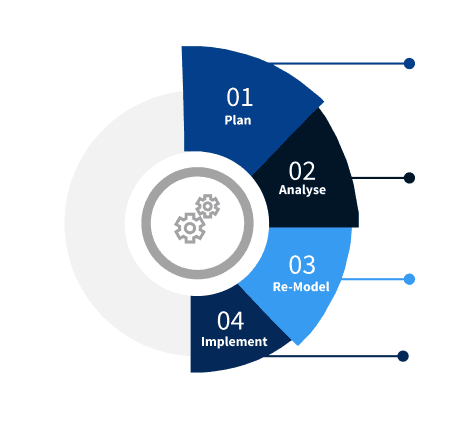
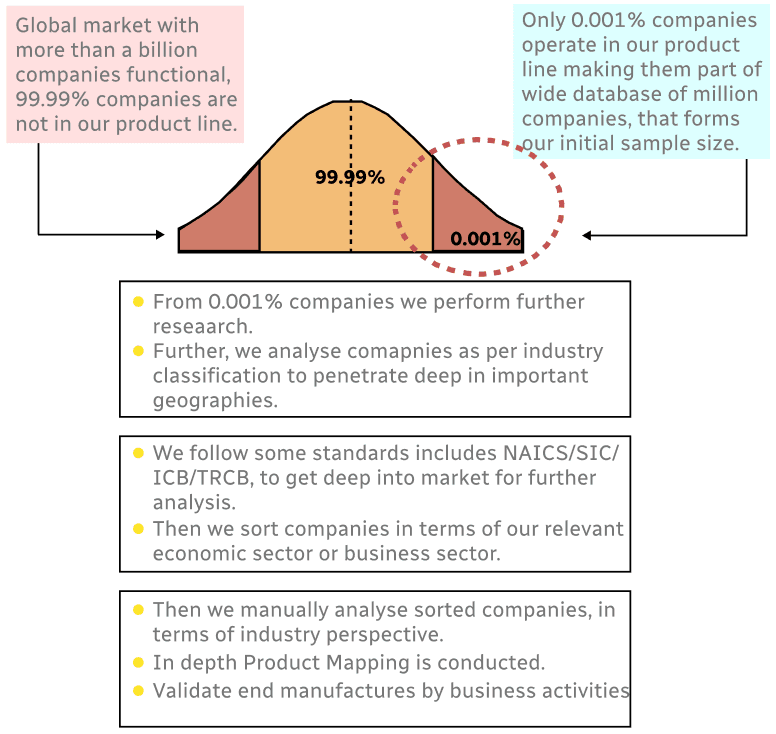
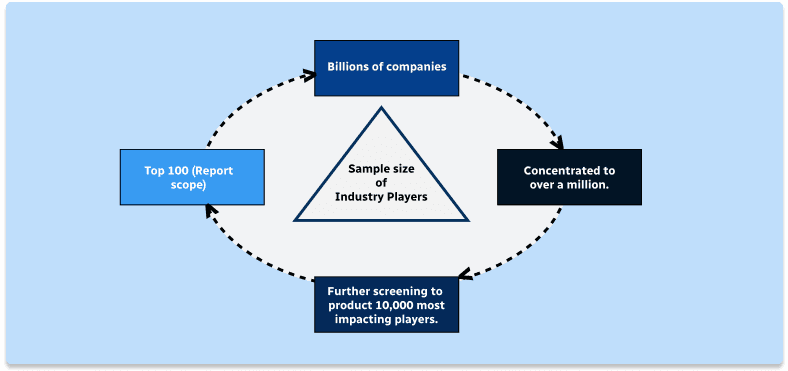
Step 1 - Identification of Relevant Samples Size from Population Database
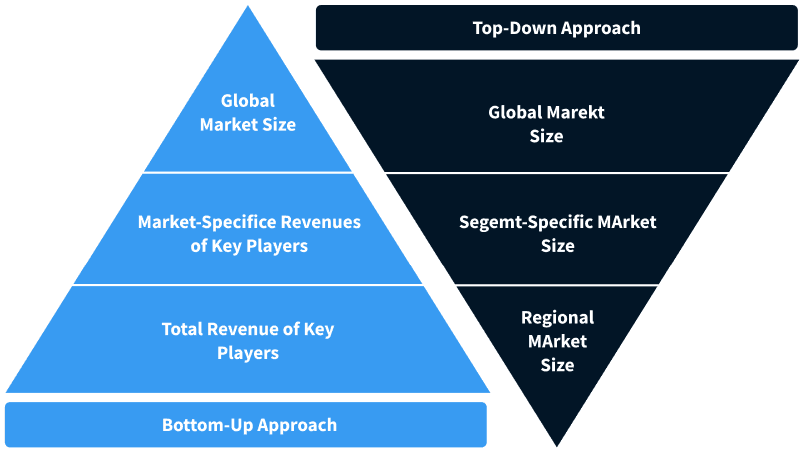
Step 2 - Approaches for Defining Global Market Size (Value, Volume* & Price*)
Note*: In applicable scenarios
Step 3 - Data Sources
Primary Research
- Web Analytics
- Survey Reports
- Research Institute
- Latest Research Reports
- Opinion Leaders
Secondary Research
- Annual Reports
- White Paper
- Latest Press Release
- Industry Association
- Paid Database
- Investor Presentations
Step 4 - Data Triangulation
Involves using different sources of information in order to increase the validity of a study
These sources are likely to be stakeholders in a program - participants, other researchers, program staff, other community members, and so on.
Then we put all data in single framework & apply various statistical tools to find out the dynamic on the market.
During the analysis stage, feedback from the stakeholder groups would be compared to determine areas of agreement as well as areas of divergence