

Key Insights
The Japanese Magnetic Resonance Imaging (MRI) market, valued at approximately $668.09 million in 2025, is projected to experience robust growth, driven by a compound annual growth rate (CAGR) of 5.65% from 2025 to 2033. This expansion is fueled by several key factors. Firstly, an aging population in Japan is leading to an increased prevalence of chronic diseases such as cardiovascular disease, neurological disorders, and cancer, all requiring advanced diagnostic imaging like MRI. Secondly, technological advancements in MRI systems, including the development of higher-field-strength magnets (high-field, very high-field, and ultra-high-field MRI systems) delivering improved image quality and faster scan times, are boosting market demand. The increasing adoption of open MRI systems, offering better patient comfort and reduced claustrophobia, further contributes to market growth. Furthermore, growing investments in healthcare infrastructure and government initiatives promoting early disease detection are supportive market dynamics. Specific application segments, such as oncology, neurology, and cardiology, are expected to witness significant growth due to the rising incidence of related diseases. Competitive pressures among established players like Siemens Healthineers, GE Healthcare, and Canon Medical Systems, alongside emerging companies such as United Imaging Healthcare, are fostering innovation and market penetration.
Regional variations exist within Japan, with regions like Kanto and Kansai, housing major metropolitan areas and significant healthcare infrastructure, likely contributing a larger share of the market. However, the consistent CAGR suggests relatively balanced growth across the different regions (Kanto, Kansai, Chubu, Kyushu, Tohoku). While restraints may exist, such as high equipment costs and the need for skilled professionals to operate and interpret MRI scans, these are offset by the compelling market drivers and ongoing technological advancements. The forecast period of 2025-2033 suggests a continuous expansion of the Japanese MRI market, making it an attractive prospect for both established and emerging players in the medical imaging industry.

Magnetic Resonance Imaging Market in Japan Market Composition & Trends
Japan's Magnetic Resonance Imaging (MRI) market is a dynamic landscape shaped by technological innovation, stringent regulatory oversight, and ongoing market consolidation. The market exhibits moderate concentration, with key players like Siemens Healthineers, GE Healthcare, and Canon Medical Systems Corporation holding substantial market share—estimated at approximately 20%, 18%, and 15%, respectively. This competitive environment is fueled by continuous innovation focused on improving image quality, reducing scan times, and enhancing diagnostic capabilities through advancements in artificial intelligence (AI) and machine learning (ML). The Pharmaceuticals and Medical Devices Agency (PMDA) plays a crucial role in regulating the market, ensuring the safety and efficacy of all MRI systems.
While substitute technologies, such as computed tomography (CT) scans, exist, MRI maintains a strong preference due to its non-ionizing radiation properties, making it particularly valuable for frequent or sensitive examinations. The end-user landscape is diverse, encompassing large hospitals with extensive imaging needs and smaller diagnostic centers seeking cost-effective solutions. Significant mergers and acquisitions (M&A) activity, with average deal values around ¥500 million (approximately $3.5 million USD, adjusted for current exchange rates), have reshaped the competitive landscape. The acquisition of Toshiba Medical Systems by Canon in 2016 serves as a prime example of this transformative activity, highlighting the strategic importance of technological synergies and expanded market reach.
- Market Concentration: Moderately concentrated, with leading players commanding significant shares.
- Innovation Catalysts: AI and machine learning are driving improvements in image quality, speed, and diagnostic accuracy.
- Regulatory Landscape: Stringent regulation by the PMDA ensures patient safety and product efficacy.
- Substitute Products: CT scans provide competition, but MRI's non-ionizing nature remains a key advantage.
- End-User Profiles: A diverse range of hospitals and diagnostic centers with varying MRI system requirements.
- M&A Activities: Significant consolidation driven by technological advancements and market expansion strategies.
Magnetic Resonance Imaging Market in Japan Industry Evolution
The Japanese MRI market has experienced substantial growth, driven by technological progress and evolving patient needs. Between 2019 and 2033, the market is projected to achieve a compound annual growth rate (CAGR) of approximately 4.5%. This growth is fueled by the rising prevalence of chronic diseases such as cancer and cardiovascular conditions, which necessitate sophisticated diagnostic tools like MRI systems. The introduction of high-field and ultra-high-field MRI systems has significantly enhanced imaging resolution and diagnostic accuracy. For example, the adoption rate of 3T MRI systems has increased by 30% since 2019, demonstrating a clear trend toward higher field strength systems for superior imaging detail. Furthermore, AI integration has automated image analysis, leading to faster diagnoses and improved patient outcomes.
Patient preferences are also influencing market trends. The increasing demand for open MRI systems, driven by patient comfort and reduced claustrophobia, has prompted manufacturers to prioritize user-friendly designs. The growth of outpatient care and the need for rapid, accurate diagnostics are further driving demand for MRI systems with advanced features like real-time imaging and faster scan times. Government initiatives aimed at upgrading healthcare infrastructure, coupled with favorable reimbursement policies, provide further support for market expansion. These factors, along with ongoing research and development, ensure the market's continued growth trajectory from 2025 to 2033.
Leading Regions, Countries, or Segments in Magnetic Resonance Imaging Market in Japan
Within Japan's MRI market, specific segments and regions are dominant. Closed MRI systems lead in the architecture segment due to their superior imaging quality and widespread adoption in hospitals. However, open MRI systems are gaining traction, especially in outpatient settings, owing to improved patient comfort. High-field MRI systems (1.5T to 3T) dominate based on their optimal balance of cost and performance. While the adoption of very high-field (3T to 7T) and ultra-high-field (over 7T) systems is increasing, it remains slower due to higher costs and greater technical complexity.
Oncology represents the leading application segment, reflecting Japan's high cancer incidence and MRI's critical role in cancer staging and treatment planning. Neurology closely follows, with MRI indispensable for diagnosing brain and spinal conditions. Cardiology, gastroenterology, and musculoskeletal applications also contribute significantly to overall market growth. Key drivers for these leading segments include increased investment in healthcare infrastructure and technology, supportive regulatory policies and reimbursements, and continuous technological advancements that enhance MRI capabilities. The established presence of closed MRI systems in hospitals, the cost-effectiveness of high-field systems, and the critical diagnostic needs in oncology and neurology all contribute to their market leadership. These leading segments are poised for sustained expansion due to a confluence of technological, economic, and clinical factors.
Magnetic Resonance Imaging Market in Japan Product Innovations
Product innovations in the Japanese MRI market are focused on enhancing imaging quality, patient comfort, and operational efficiency. Recent developments include the integration of AI for automated image analysis, reducing diagnostic times and improving accuracy. Canon Medical Systems Corporation's Vantage Fortian, launched in November 2021, exemplifies this trend with its open bore 1.5T MRI system, featuring advanced workflow solutions and expedited scan technologies. These innovations not only improve patient experience but also enhance the productivity of healthcare providers, positioning Japan at the forefront of MRI technology.
Propelling Factors for Magnetic Resonance Imaging Market in Japan Growth
The Japanese MRI market's growth is propelled by several key factors. Technological advancements, particularly the integration of AI and machine learning, are enhancing imaging capabilities, leading to greater efficiency and accuracy. Economically, increased healthcare spending and favorable reimbursement policies are supporting market expansion. Regulatory support, including streamlined approval processes from the PMDA, facilitates the introduction of new technologies. These elements, coupled with the rising demand for advanced diagnostics driven by an aging population and increasing prevalence of chronic diseases, are collectively driving market growth.
Obstacles in the Magnetic Resonance Imaging Market in Japan Market
The MRI market in Japan faces several obstacles that could impede its growth. Regulatory challenges, including stringent approval processes and compliance requirements, can delay the introduction of new systems. Supply chain disruptions, exacerbated by global events, have led to shortages of critical components, impacting production and delivery times. Competitive pressures are intense, with major players constantly innovating to maintain market share. These factors collectively contribute to a complex environment where companies must navigate carefully to sustain growth.
Future Opportunities in Magnetic Resonance Imaging Market in Japan
Future opportunities within the Japanese MRI market include expanding into new applications, such as advanced neuroimaging and functional MRI for brain research. Technological innovations, such as portable MRI systems, hold the potential to revolutionize patient care, particularly in remote areas. Furthermore, the growing consumer preference for personalized medicine and non-invasive diagnostic techniques will likely increase the demand for MRI systems, offering significant growth prospects for market players.
Major Players in the Magnetic Resonance Imaging Market in Japan Ecosystem
- Shenzhen Anke High-Tech Co Ltd
- Esaote SpA
- Siemens Healthineers
- GE Healthcare
- Elekta AB
- Neusoft Medical Systems Co Ltd
- Koninklijke Philips NV
- Canon Medical Systems Corporation
- United Imaging Healthcare Co Ltd
- Fujifilm Holdings Corporation
Key Developments in Magnetic Resonance Imaging Market in Japan Industry
- December 2021: Canon Medical Systems Corp. signed a licensing arrangement with Resoundant Inc. to integrate Resoundant's MRE technology into Canon's new MRI line. This development is poised to enhance MRI capabilities in scanning soft organs and brains, potentially expanding the market's scope.
- November 2021: Canon Medical launched the Vantage Fortian, a new open bore 1.5T MRI system. This system's advanced productivity features, including workflow solutions and expedited scan technologies, are expected to reduce MRI process times and improve patient throughput, significantly impacting market dynamics.
Strategic Magnetic Resonance Imaging Market in Japan Market Forecast
The MRI market in Japan is poised for robust growth over the forecast period from 2025 to 2033, driven by technological advancements, increasing healthcare investments, and a rising demand for advanced diagnostic tools. Future opportunities in emerging applications and personalized medicine are expected to further fuel market expansion. The integration of AI and the development of more patient-friendly systems will continue to be key growth catalysts, positioning the market for sustained success in the coming years.
Magnetic Resonance Imaging Market in Japan Segmentation
-
1. Architecture
- 1.1. Closed MRI Systems
- 1.2. Open MRI Systems
-
2. Field Strength
- 2.1. Low Field MRI Systems
- 2.2. High Field MRI Systems
- 2.3. Very Hig
-
3. Application
- 3.1. Oncology
- 3.2. Neurology
- 3.3. Cardiology
- 3.4. Gastroenterology
- 3.5. Musculoskeletal
- 3.6. Other Applications
Magnetic Resonance Imaging Market in Japan Segmentation By Geography
-
1. North America
- 1.1. United States
- 1.2. Canada
- 1.3. Mexico
-
2. South America
- 2.1. Brazil
- 2.2. Argentina
- 2.3. Rest of South America
-
3. Europe
- 3.1. United Kingdom
- 3.2. Germany
- 3.3. France
- 3.4. Italy
- 3.5. Spain
- 3.6. Russia
- 3.7. Benelux
- 3.8. Nordics
- 3.9. Rest of Europe
-
4. Middle East & Africa
- 4.1. Turkey
- 4.2. Israel
- 4.3. GCC
- 4.4. North Africa
- 4.5. South Africa
- 4.6. Rest of Middle East & Africa
-
5. Asia Pacific
- 5.1. China
- 5.2. India
- 5.3. Japan
- 5.4. South Korea
- 5.5. ASEAN
- 5.6. Oceania
- 5.7. Rest of Asia Pacific

Magnetic Resonance Imaging Market in Japan REPORT HIGHLIGHTS
| Aspects | Details |
|---|---|
| Study Period | 2019-2033 |
| Base Year | 2024 |
| Estimated Year | 2025 |
| Forecast Period | 2025-2033 |
| Historical Period | 2019-2024 |
| Growth Rate | CAGR of 5.65% from 2019-2033 |
| Segmentation |
|
Table of Contents
- 1. Introduction
- 1.1. Research Scope
- 1.2. Market Segmentation
- 1.3. Research Methodology
- 1.4. Definitions and Assumptions
- 2. Executive Summary
- 2.1. Introduction
- 3. Market Dynamics
- 3.1. Introduction
- 3.2. Market Drivers
- 3.2.1. Introduction of Hybrid MRI Systems; Availability of Universal Health Coverage
- 3.3. Market Restrains
- 3.3.1. High Cost of MRI Systems
- 3.4. Market Trends
- 3.4.1. Oncology Segment is Expected to Witness Significant Growth in Future
- 4. Market Factor Analysis
- 4.1. Porters Five Forces
- 4.2. Supply/Value Chain
- 4.3. PESTEL analysis
- 4.4. Market Entropy
- 4.5. Patent/Trademark Analysis
- 5. Global Magnetic Resonance Imaging Market in Japan Analysis, Insights and Forecast, 2019-2031
- 5.1. Market Analysis, Insights and Forecast - by Architecture
- 5.1.1. Closed MRI Systems
- 5.1.2. Open MRI Systems
- 5.2. Market Analysis, Insights and Forecast - by Field Strength
- 5.2.1. Low Field MRI Systems
- 5.2.2. High Field MRI Systems
- 5.2.3. Very Hig
- 5.3. Market Analysis, Insights and Forecast - by Application
- 5.3.1. Oncology
- 5.3.2. Neurology
- 5.3.3. Cardiology
- 5.3.4. Gastroenterology
- 5.3.5. Musculoskeletal
- 5.3.6. Other Applications
- 5.4. Market Analysis, Insights and Forecast - by Region
- 5.4.1. North America
- 5.4.2. South America
- 5.4.3. Europe
- 5.4.4. Middle East & Africa
- 5.4.5. Asia Pacific
- 5.1. Market Analysis, Insights and Forecast - by Architecture
- 6. North America Magnetic Resonance Imaging Market in Japan Analysis, Insights and Forecast, 2019-2031
- 6.1. Market Analysis, Insights and Forecast - by Architecture
- 6.1.1. Closed MRI Systems
- 6.1.2. Open MRI Systems
- 6.2. Market Analysis, Insights and Forecast - by Field Strength
- 6.2.1. Low Field MRI Systems
- 6.2.2. High Field MRI Systems
- 6.2.3. Very Hig
- 6.3. Market Analysis, Insights and Forecast - by Application
- 6.3.1. Oncology
- 6.3.2. Neurology
- 6.3.3. Cardiology
- 6.3.4. Gastroenterology
- 6.3.5. Musculoskeletal
- 6.3.6. Other Applications
- 6.1. Market Analysis, Insights and Forecast - by Architecture
- 7. South America Magnetic Resonance Imaging Market in Japan Analysis, Insights and Forecast, 2019-2031
- 7.1. Market Analysis, Insights and Forecast - by Architecture
- 7.1.1. Closed MRI Systems
- 7.1.2. Open MRI Systems
- 7.2. Market Analysis, Insights and Forecast - by Field Strength
- 7.2.1. Low Field MRI Systems
- 7.2.2. High Field MRI Systems
- 7.2.3. Very Hig
- 7.3. Market Analysis, Insights and Forecast - by Application
- 7.3.1. Oncology
- 7.3.2. Neurology
- 7.3.3. Cardiology
- 7.3.4. Gastroenterology
- 7.3.5. Musculoskeletal
- 7.3.6. Other Applications
- 7.1. Market Analysis, Insights and Forecast - by Architecture
- 8. Europe Magnetic Resonance Imaging Market in Japan Analysis, Insights and Forecast, 2019-2031
- 8.1. Market Analysis, Insights and Forecast - by Architecture
- 8.1.1. Closed MRI Systems
- 8.1.2. Open MRI Systems
- 8.2. Market Analysis, Insights and Forecast - by Field Strength
- 8.2.1. Low Field MRI Systems
- 8.2.2. High Field MRI Systems
- 8.2.3. Very Hig
- 8.3. Market Analysis, Insights and Forecast - by Application
- 8.3.1. Oncology
- 8.3.2. Neurology
- 8.3.3. Cardiology
- 8.3.4. Gastroenterology
- 8.3.5. Musculoskeletal
- 8.3.6. Other Applications
- 8.1. Market Analysis, Insights and Forecast - by Architecture
- 9. Middle East & Africa Magnetic Resonance Imaging Market in Japan Analysis, Insights and Forecast, 2019-2031
- 9.1. Market Analysis, Insights and Forecast - by Architecture
- 9.1.1. Closed MRI Systems
- 9.1.2. Open MRI Systems
- 9.2. Market Analysis, Insights and Forecast - by Field Strength
- 9.2.1. Low Field MRI Systems
- 9.2.2. High Field MRI Systems
- 9.2.3. Very Hig
- 9.3. Market Analysis, Insights and Forecast - by Application
- 9.3.1. Oncology
- 9.3.2. Neurology
- 9.3.3. Cardiology
- 9.3.4. Gastroenterology
- 9.3.5. Musculoskeletal
- 9.3.6. Other Applications
- 9.1. Market Analysis, Insights and Forecast - by Architecture
- 10. Asia Pacific Magnetic Resonance Imaging Market in Japan Analysis, Insights and Forecast, 2019-2031
- 10.1. Market Analysis, Insights and Forecast - by Architecture
- 10.1.1. Closed MRI Systems
- 10.1.2. Open MRI Systems
- 10.2. Market Analysis, Insights and Forecast - by Field Strength
- 10.2.1. Low Field MRI Systems
- 10.2.2. High Field MRI Systems
- 10.2.3. Very Hig
- 10.3. Market Analysis, Insights and Forecast - by Application
- 10.3.1. Oncology
- 10.3.2. Neurology
- 10.3.3. Cardiology
- 10.3.4. Gastroenterology
- 10.3.5. Musculoskeletal
- 10.3.6. Other Applications
- 10.1. Market Analysis, Insights and Forecast - by Architecture
- 11. Kanto Magnetic Resonance Imaging Market in Japan Analysis, Insights and Forecast, 2019-2031
- 12. Kansai Magnetic Resonance Imaging Market in Japan Analysis, Insights and Forecast, 2019-2031
- 13. Chubu Magnetic Resonance Imaging Market in Japan Analysis, Insights and Forecast, 2019-2031
- 14. Kyushu Magnetic Resonance Imaging Market in Japan Analysis, Insights and Forecast, 2019-2031
- 15. Tohoku Magnetic Resonance Imaging Market in Japan Analysis, Insights and Forecast, 2019-2031
- 16. Competitive Analysis
- 16.1. Global Market Share Analysis 2024
- 16.2. Company Profiles
- 16.2.1 Shenzhen anke high-tech co ltd
- 16.2.1.1. Overview
- 16.2.1.2. Products
- 16.2.1.3. SWOT Analysis
- 16.2.1.4. Recent Developments
- 16.2.1.5. Financials (Based on Availability)
- 16.2.2 Esaote SpA
- 16.2.2.1. Overview
- 16.2.2.2. Products
- 16.2.2.3. SWOT Analysis
- 16.2.2.4. Recent Developments
- 16.2.2.5. Financials (Based on Availability)
- 16.2.3 Siemens Healthineers
- 16.2.3.1. Overview
- 16.2.3.2. Products
- 16.2.3.3. SWOT Analysis
- 16.2.3.4. Recent Developments
- 16.2.3.5. Financials (Based on Availability)
- 16.2.4 GE Healthcare
- 16.2.4.1. Overview
- 16.2.4.2. Products
- 16.2.4.3. SWOT Analysis
- 16.2.4.4. Recent Developments
- 16.2.4.5. Financials (Based on Availability)
- 16.2.5 Elekta AB
- 16.2.5.1. Overview
- 16.2.5.2. Products
- 16.2.5.3. SWOT Analysis
- 16.2.5.4. Recent Developments
- 16.2.5.5. Financials (Based on Availability)
- 16.2.6 Neusoft Medical Systems Co Ltd
- 16.2.6.1. Overview
- 16.2.6.2. Products
- 16.2.6.3. SWOT Analysis
- 16.2.6.4. Recent Developments
- 16.2.6.5. Financials (Based on Availability)
- 16.2.7 Koninklijke Philips NV
- 16.2.7.1. Overview
- 16.2.7.2. Products
- 16.2.7.3. SWOT Analysis
- 16.2.7.4. Recent Developments
- 16.2.7.5. Financials (Based on Availability)
- 16.2.8 Canon Medical Systems Corporation
- 16.2.8.1. Overview
- 16.2.8.2. Products
- 16.2.8.3. SWOT Analysis
- 16.2.8.4. Recent Developments
- 16.2.8.5. Financials (Based on Availability)
- 16.2.9 United Imaging Healthcare Co Ltd
- 16.2.9.1. Overview
- 16.2.9.2. Products
- 16.2.9.3. SWOT Analysis
- 16.2.9.4. Recent Developments
- 16.2.9.5. Financials (Based on Availability)
- 16.2.10 Fujifilm Holdings Corporation
- 16.2.10.1. Overview
- 16.2.10.2. Products
- 16.2.10.3. SWOT Analysis
- 16.2.10.4. Recent Developments
- 16.2.10.5. Financials (Based on Availability)
- 16.2.1 Shenzhen anke high-tech co ltd
List of Figures
- Figure 1: Global Magnetic Resonance Imaging Market in Japan Revenue Breakdown (Million, %) by Region 2024 & 2032
- Figure 2: Japan Magnetic Resonance Imaging Market in Japan Revenue (Million), by Country 2024 & 2032
- Figure 3: Japan Magnetic Resonance Imaging Market in Japan Revenue Share (%), by Country 2024 & 2032
- Figure 4: North America Magnetic Resonance Imaging Market in Japan Revenue (Million), by Architecture 2024 & 2032
- Figure 5: North America Magnetic Resonance Imaging Market in Japan Revenue Share (%), by Architecture 2024 & 2032
- Figure 6: North America Magnetic Resonance Imaging Market in Japan Revenue (Million), by Field Strength 2024 & 2032
- Figure 7: North America Magnetic Resonance Imaging Market in Japan Revenue Share (%), by Field Strength 2024 & 2032
- Figure 8: North America Magnetic Resonance Imaging Market in Japan Revenue (Million), by Application 2024 & 2032
- Figure 9: North America Magnetic Resonance Imaging Market in Japan Revenue Share (%), by Application 2024 & 2032
- Figure 10: North America Magnetic Resonance Imaging Market in Japan Revenue (Million), by Country 2024 & 2032
- Figure 11: North America Magnetic Resonance Imaging Market in Japan Revenue Share (%), by Country 2024 & 2032
- Figure 12: South America Magnetic Resonance Imaging Market in Japan Revenue (Million), by Architecture 2024 & 2032
- Figure 13: South America Magnetic Resonance Imaging Market in Japan Revenue Share (%), by Architecture 2024 & 2032
- Figure 14: South America Magnetic Resonance Imaging Market in Japan Revenue (Million), by Field Strength 2024 & 2032
- Figure 15: South America Magnetic Resonance Imaging Market in Japan Revenue Share (%), by Field Strength 2024 & 2032
- Figure 16: South America Magnetic Resonance Imaging Market in Japan Revenue (Million), by Application 2024 & 2032
- Figure 17: South America Magnetic Resonance Imaging Market in Japan Revenue Share (%), by Application 2024 & 2032
- Figure 18: South America Magnetic Resonance Imaging Market in Japan Revenue (Million), by Country 2024 & 2032
- Figure 19: South America Magnetic Resonance Imaging Market in Japan Revenue Share (%), by Country 2024 & 2032
- Figure 20: Europe Magnetic Resonance Imaging Market in Japan Revenue (Million), by Architecture 2024 & 2032
- Figure 21: Europe Magnetic Resonance Imaging Market in Japan Revenue Share (%), by Architecture 2024 & 2032
- Figure 22: Europe Magnetic Resonance Imaging Market in Japan Revenue (Million), by Field Strength 2024 & 2032
- Figure 23: Europe Magnetic Resonance Imaging Market in Japan Revenue Share (%), by Field Strength 2024 & 2032
- Figure 24: Europe Magnetic Resonance Imaging Market in Japan Revenue (Million), by Application 2024 & 2032
- Figure 25: Europe Magnetic Resonance Imaging Market in Japan Revenue Share (%), by Application 2024 & 2032
- Figure 26: Europe Magnetic Resonance Imaging Market in Japan Revenue (Million), by Country 2024 & 2032
- Figure 27: Europe Magnetic Resonance Imaging Market in Japan Revenue Share (%), by Country 2024 & 2032
- Figure 28: Middle East & Africa Magnetic Resonance Imaging Market in Japan Revenue (Million), by Architecture 2024 & 2032
- Figure 29: Middle East & Africa Magnetic Resonance Imaging Market in Japan Revenue Share (%), by Architecture 2024 & 2032
- Figure 30: Middle East & Africa Magnetic Resonance Imaging Market in Japan Revenue (Million), by Field Strength 2024 & 2032
- Figure 31: Middle East & Africa Magnetic Resonance Imaging Market in Japan Revenue Share (%), by Field Strength 2024 & 2032
- Figure 32: Middle East & Africa Magnetic Resonance Imaging Market in Japan Revenue (Million), by Application 2024 & 2032
- Figure 33: Middle East & Africa Magnetic Resonance Imaging Market in Japan Revenue Share (%), by Application 2024 & 2032
- Figure 34: Middle East & Africa Magnetic Resonance Imaging Market in Japan Revenue (Million), by Country 2024 & 2032
- Figure 35: Middle East & Africa Magnetic Resonance Imaging Market in Japan Revenue Share (%), by Country 2024 & 2032
- Figure 36: Asia Pacific Magnetic Resonance Imaging Market in Japan Revenue (Million), by Architecture 2024 & 2032
- Figure 37: Asia Pacific Magnetic Resonance Imaging Market in Japan Revenue Share (%), by Architecture 2024 & 2032
- Figure 38: Asia Pacific Magnetic Resonance Imaging Market in Japan Revenue (Million), by Field Strength 2024 & 2032
- Figure 39: Asia Pacific Magnetic Resonance Imaging Market in Japan Revenue Share (%), by Field Strength 2024 & 2032
- Figure 40: Asia Pacific Magnetic Resonance Imaging Market in Japan Revenue (Million), by Application 2024 & 2032
- Figure 41: Asia Pacific Magnetic Resonance Imaging Market in Japan Revenue Share (%), by Application 2024 & 2032
- Figure 42: Asia Pacific Magnetic Resonance Imaging Market in Japan Revenue (Million), by Country 2024 & 2032
- Figure 43: Asia Pacific Magnetic Resonance Imaging Market in Japan Revenue Share (%), by Country 2024 & 2032
List of Tables
- Table 1: Global Magnetic Resonance Imaging Market in Japan Revenue Million Forecast, by Region 2019 & 2032
- Table 2: Global Magnetic Resonance Imaging Market in Japan Revenue Million Forecast, by Architecture 2019 & 2032
- Table 3: Global Magnetic Resonance Imaging Market in Japan Revenue Million Forecast, by Field Strength 2019 & 2032
- Table 4: Global Magnetic Resonance Imaging Market in Japan Revenue Million Forecast, by Application 2019 & 2032
- Table 5: Global Magnetic Resonance Imaging Market in Japan Revenue Million Forecast, by Region 2019 & 2032
- Table 6: Global Magnetic Resonance Imaging Market in Japan Revenue Million Forecast, by Country 2019 & 2032
- Table 7: Kanto Magnetic Resonance Imaging Market in Japan Revenue (Million) Forecast, by Application 2019 & 2032
- Table 8: Kansai Magnetic Resonance Imaging Market in Japan Revenue (Million) Forecast, by Application 2019 & 2032
- Table 9: Chubu Magnetic Resonance Imaging Market in Japan Revenue (Million) Forecast, by Application 2019 & 2032
- Table 10: Kyushu Magnetic Resonance Imaging Market in Japan Revenue (Million) Forecast, by Application 2019 & 2032
- Table 11: Tohoku Magnetic Resonance Imaging Market in Japan Revenue (Million) Forecast, by Application 2019 & 2032
- Table 12: Global Magnetic Resonance Imaging Market in Japan Revenue Million Forecast, by Architecture 2019 & 2032
- Table 13: Global Magnetic Resonance Imaging Market in Japan Revenue Million Forecast, by Field Strength 2019 & 2032
- Table 14: Global Magnetic Resonance Imaging Market in Japan Revenue Million Forecast, by Application 2019 & 2032
- Table 15: Global Magnetic Resonance Imaging Market in Japan Revenue Million Forecast, by Country 2019 & 2032
- Table 16: United States Magnetic Resonance Imaging Market in Japan Revenue (Million) Forecast, by Application 2019 & 2032
- Table 17: Canada Magnetic Resonance Imaging Market in Japan Revenue (Million) Forecast, by Application 2019 & 2032
- Table 18: Mexico Magnetic Resonance Imaging Market in Japan Revenue (Million) Forecast, by Application 2019 & 2032
- Table 19: Global Magnetic Resonance Imaging Market in Japan Revenue Million Forecast, by Architecture 2019 & 2032
- Table 20: Global Magnetic Resonance Imaging Market in Japan Revenue Million Forecast, by Field Strength 2019 & 2032
- Table 21: Global Magnetic Resonance Imaging Market in Japan Revenue Million Forecast, by Application 2019 & 2032
- Table 22: Global Magnetic Resonance Imaging Market in Japan Revenue Million Forecast, by Country 2019 & 2032
- Table 23: Brazil Magnetic Resonance Imaging Market in Japan Revenue (Million) Forecast, by Application 2019 & 2032
- Table 24: Argentina Magnetic Resonance Imaging Market in Japan Revenue (Million) Forecast, by Application 2019 & 2032
- Table 25: Rest of South America Magnetic Resonance Imaging Market in Japan Revenue (Million) Forecast, by Application 2019 & 2032
- Table 26: Global Magnetic Resonance Imaging Market in Japan Revenue Million Forecast, by Architecture 2019 & 2032
- Table 27: Global Magnetic Resonance Imaging Market in Japan Revenue Million Forecast, by Field Strength 2019 & 2032
- Table 28: Global Magnetic Resonance Imaging Market in Japan Revenue Million Forecast, by Application 2019 & 2032
- Table 29: Global Magnetic Resonance Imaging Market in Japan Revenue Million Forecast, by Country 2019 & 2032
- Table 30: United Kingdom Magnetic Resonance Imaging Market in Japan Revenue (Million) Forecast, by Application 2019 & 2032
- Table 31: Germany Magnetic Resonance Imaging Market in Japan Revenue (Million) Forecast, by Application 2019 & 2032
- Table 32: France Magnetic Resonance Imaging Market in Japan Revenue (Million) Forecast, by Application 2019 & 2032
- Table 33: Italy Magnetic Resonance Imaging Market in Japan Revenue (Million) Forecast, by Application 2019 & 2032
- Table 34: Spain Magnetic Resonance Imaging Market in Japan Revenue (Million) Forecast, by Application 2019 & 2032
- Table 35: Russia Magnetic Resonance Imaging Market in Japan Revenue (Million) Forecast, by Application 2019 & 2032
- Table 36: Benelux Magnetic Resonance Imaging Market in Japan Revenue (Million) Forecast, by Application 2019 & 2032
- Table 37: Nordics Magnetic Resonance Imaging Market in Japan Revenue (Million) Forecast, by Application 2019 & 2032
- Table 38: Rest of Europe Magnetic Resonance Imaging Market in Japan Revenue (Million) Forecast, by Application 2019 & 2032
- Table 39: Global Magnetic Resonance Imaging Market in Japan Revenue Million Forecast, by Architecture 2019 & 2032
- Table 40: Global Magnetic Resonance Imaging Market in Japan Revenue Million Forecast, by Field Strength 2019 & 2032
- Table 41: Global Magnetic Resonance Imaging Market in Japan Revenue Million Forecast, by Application 2019 & 2032
- Table 42: Global Magnetic Resonance Imaging Market in Japan Revenue Million Forecast, by Country 2019 & 2032
- Table 43: Turkey Magnetic Resonance Imaging Market in Japan Revenue (Million) Forecast, by Application 2019 & 2032
- Table 44: Israel Magnetic Resonance Imaging Market in Japan Revenue (Million) Forecast, by Application 2019 & 2032
- Table 45: GCC Magnetic Resonance Imaging Market in Japan Revenue (Million) Forecast, by Application 2019 & 2032
- Table 46: North Africa Magnetic Resonance Imaging Market in Japan Revenue (Million) Forecast, by Application 2019 & 2032
- Table 47: South Africa Magnetic Resonance Imaging Market in Japan Revenue (Million) Forecast, by Application 2019 & 2032
- Table 48: Rest of Middle East & Africa Magnetic Resonance Imaging Market in Japan Revenue (Million) Forecast, by Application 2019 & 2032
- Table 49: Global Magnetic Resonance Imaging Market in Japan Revenue Million Forecast, by Architecture 2019 & 2032
- Table 50: Global Magnetic Resonance Imaging Market in Japan Revenue Million Forecast, by Field Strength 2019 & 2032
- Table 51: Global Magnetic Resonance Imaging Market in Japan Revenue Million Forecast, by Application 2019 & 2032
- Table 52: Global Magnetic Resonance Imaging Market in Japan Revenue Million Forecast, by Country 2019 & 2032
- Table 53: China Magnetic Resonance Imaging Market in Japan Revenue (Million) Forecast, by Application 2019 & 2032
- Table 54: India Magnetic Resonance Imaging Market in Japan Revenue (Million) Forecast, by Application 2019 & 2032
- Table 55: Japan Magnetic Resonance Imaging Market in Japan Revenue (Million) Forecast, by Application 2019 & 2032
- Table 56: South Korea Magnetic Resonance Imaging Market in Japan Revenue (Million) Forecast, by Application 2019 & 2032
- Table 57: ASEAN Magnetic Resonance Imaging Market in Japan Revenue (Million) Forecast, by Application 2019 & 2032
- Table 58: Oceania Magnetic Resonance Imaging Market in Japan Revenue (Million) Forecast, by Application 2019 & 2032
- Table 59: Rest of Asia Pacific Magnetic Resonance Imaging Market in Japan Revenue (Million) Forecast, by Application 2019 & 2032
Frequently Asked Questions
1. What is the projected Compound Annual Growth Rate (CAGR) of the Magnetic Resonance Imaging Market in Japan?
The projected CAGR is approximately 5.65%.
2. Which companies are prominent players in the Magnetic Resonance Imaging Market in Japan?
Key companies in the market include Shenzhen anke high-tech co ltd, Esaote SpA, Siemens Healthineers, GE Healthcare, Elekta AB, Neusoft Medical Systems Co Ltd, Koninklijke Philips NV, Canon Medical Systems Corporation, United Imaging Healthcare Co Ltd, Fujifilm Holdings Corporation.
3. What are the main segments of the Magnetic Resonance Imaging Market in Japan?
The market segments include Architecture, Field Strength, Application.
4. Can you provide details about the market size?
The market size is estimated to be USD 668.09 Million as of 2022.
5. What are some drivers contributing to market growth?
Introduction of Hybrid MRI Systems; Availability of Universal Health Coverage.
6. What are the notable trends driving market growth?
Oncology Segment is Expected to Witness Significant Growth in Future.
7. Are there any restraints impacting market growth?
High Cost of MRI Systems.
8. Can you provide examples of recent developments in the market?
In December 2021, Canon Medical Systems Corp, l, a Japan-based company, signed a licensing arrangement with Resoundant Inc. to include its technology in Canon's newest line of magnetic resonance imaging. Although research is underway to use Resoundant's MRE technology to scan other soft organs and brains.
9. What pricing options are available for accessing the report?
Pricing options include single-user, multi-user, and enterprise licenses priced at USD 3800, USD 4500, and USD 5800 respectively.
10. Is the market size provided in terms of value or volume?
The market size is provided in terms of value, measured in Million.
11. Are there any specific market keywords associated with the report?
Yes, the market keyword associated with the report is "Magnetic Resonance Imaging Market in Japan," which aids in identifying and referencing the specific market segment covered.
12. How do I determine which pricing option suits my needs best?
The pricing options vary based on user requirements and access needs. Individual users may opt for single-user licenses, while businesses requiring broader access may choose multi-user or enterprise licenses for cost-effective access to the report.
13. Are there any additional resources or data provided in the Magnetic Resonance Imaging Market in Japan report?
While the report offers comprehensive insights, it's advisable to review the specific contents or supplementary materials provided to ascertain if additional resources or data are available.
14. How can I stay updated on further developments or reports in the Magnetic Resonance Imaging Market in Japan?
To stay informed about further developments, trends, and reports in the Magnetic Resonance Imaging Market in Japan, consider subscribing to industry newsletters, following relevant companies and organizations, or regularly checking reputable industry news sources and publications.
Methodology
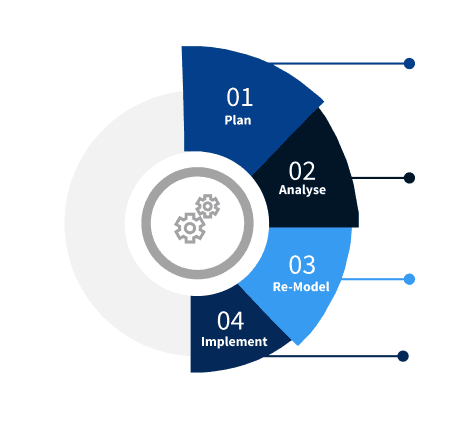
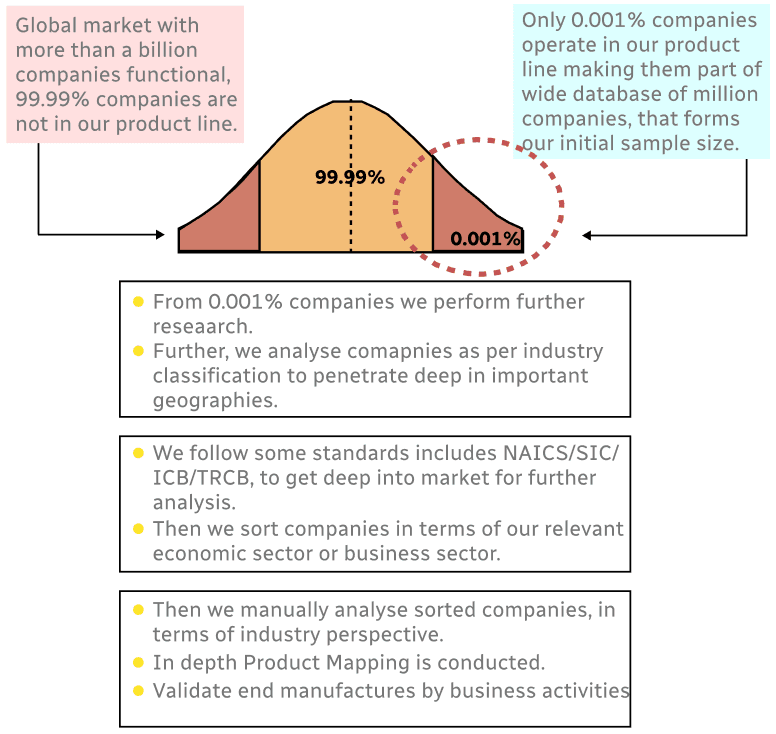
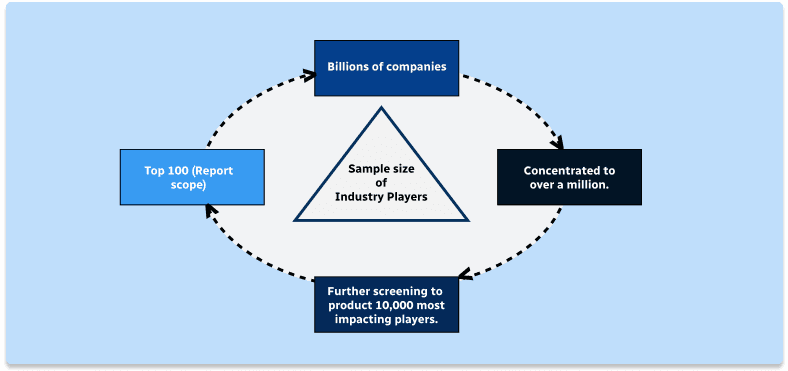
Step 1 - Identification of Relevant Samples Size from Population Database
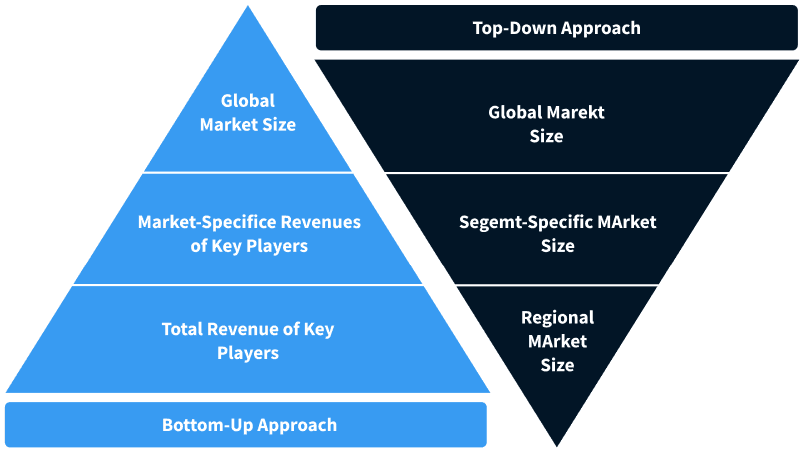
Step 2 - Approaches for Defining Global Market Size (Value, Volume* & Price*)
Note*: In applicable scenarios
Step 3 - Data Sources
Primary Research
- Web Analytics
- Survey Reports
- Research Institute
- Latest Research Reports
- Opinion Leaders
Secondary Research
- Annual Reports
- White Paper
- Latest Press Release
- Industry Association
- Paid Database
- Investor Presentations
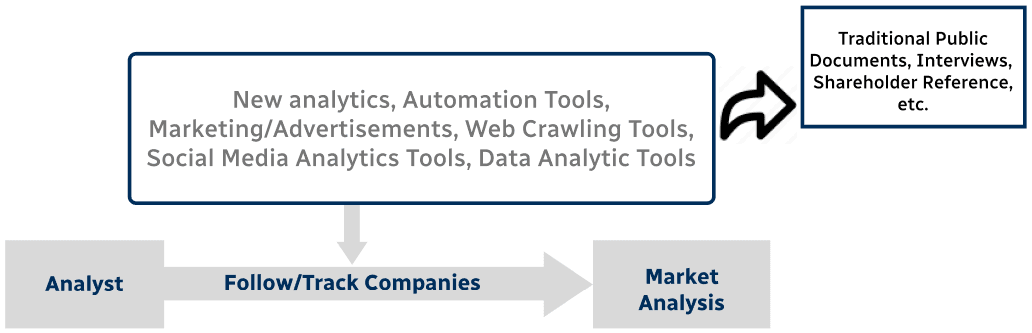
Step 4 - Data Triangulation
Involves using different sources of information in order to increase the validity of a study
These sources are likely to be stakeholders in a program - participants, other researchers, program staff, other community members, and so on.
Then we put all data in single framework & apply various statistical tools to find out the dynamic on the market.
During the analysis stage, feedback from the stakeholder groups would be compared to determine areas of agreement as well as areas of divergence