

Key Insights
The Italian patient monitoring market, valued at €2.04 billion in 2025, is poised for robust growth, exhibiting a Compound Annual Growth Rate (CAGR) of 7.82% from 2025 to 2033. This expansion is driven by several key factors. Firstly, the aging population in Italy is increasing the prevalence of chronic diseases requiring continuous monitoring, such as cardiovascular and respiratory conditions. Secondly, technological advancements in patient monitoring devices, including the rise of remote patient monitoring (RPM) systems and miniaturized, wearable sensors, are enhancing the efficiency and accuracy of patient care while reducing hospital readmissions. Furthermore, increasing government initiatives focused on improving healthcare infrastructure and promoting telemedicine are fostering market growth. The market segmentation reveals significant opportunities across diverse device types, with strong demand for hemodynamic, cardiac, and respiratory monitoring devices. Hospitals and clinics constitute the largest end-user segment, although the home healthcare sector is experiencing significant growth due to the expanding adoption of RPM technologies. Key players such as Edwards Lifesciences, Medtronic, and Philips are actively shaping the market through innovation and strategic partnerships.
The competitive landscape is characterized by a mix of established multinational corporations and specialized regional players. Competition is intense, focused on technological differentiation, service offerings, and strategic partnerships with healthcare providers. While market growth is projected to be positive, challenges remain. These include high initial investment costs associated with advanced monitoring technologies, the need for skilled personnel to operate and interpret data from these systems, and potential regulatory hurdles for new device approvals. Despite these restraints, the long-term outlook for the Italian patient monitoring market remains optimistic, fueled by demographic trends, technological advancements, and increasing healthcare expenditure. The market's future growth will depend on overcoming these challenges and fostering wider adoption of innovative monitoring solutions.

Italy Patient Monitoring Industry: Market Analysis and Forecast (2019-2033)
This comprehensive report provides a detailed analysis of the Italy patient monitoring industry, offering valuable insights for stakeholders seeking to understand market dynamics, growth opportunities, and competitive landscapes. The study covers the period 2019-2033, with 2025 serving as the base and estimated year. The report uses a robust methodology to analyze historical data (2019-2024) and forecast market trends (2025-2033). The Italian patient monitoring market is projected to reach €XX Million by 2033, demonstrating significant growth potential.
Italy Patient Monitoring Industry Market Composition & Trends
This section provides a comprehensive analysis of the Italian patient monitoring market's structure. We examine market concentration, the key drivers of innovation, the prevailing regulatory environment, the influence of substitute products, the characteristics of end-users, and recent mergers & acquisitions (M&A) activity. The Italian patient monitoring market is characterized by moderate concentration. Leading global and domestic players such as Edwards Lifesciences Corporation, Dexcom Inc, and Abbott Laboratories command significant market share due to their established product portfolios and brand recognition. However, the landscape is also vibrant with the presence of smaller, agile, and specialized companies that are consistently contributing to groundbreaking innovations and niche market development.
- Market Share Distribution: While precise figures fluctuate, Edwards Lifesciences Corporation is recognized as a dominant player, holding a substantial portion of the market, estimated at XX%. Dexcom Inc follows with an estimated XX% market share, and Abbott Laboratories is also a significant contender with an estimated XX%. The remaining market share is fragmented among a multitude of specialized and emerging companies, fostering healthy competition and innovation.
- Innovation Catalysts: The persistent rise in the prevalence of chronic diseases, such as cardiovascular conditions, diabetes, and respiratory illnesses, is a primary driver for advanced patient monitoring solutions. Concurrent technological advancements, particularly in the realm of remote patient monitoring (RPM) and wearable sensor technology, are expanding the capabilities and accessibility of healthcare. Furthermore, supportive government initiatives aimed at promoting telehealth, digital health adoption, and integrated care models are acting as significant catalysts for market innovation and growth.
- Regulatory Landscape: The Italian regulatory framework governing medical devices is known for its rigor, with a strong emphasis on ensuring the safety, efficacy, and quality of products entering the market. This stringent environment necessitates thorough clinical validation and adherence to established standards, which in turn shapes product development cycles, market entry strategies, and post-market surveillance requirements for manufacturers.
- Substitute Products: While direct substitutes for sophisticated patient monitoring devices are limited, the market does experience competition from alternative diagnostic tools and less advanced monitoring methods. These may include traditional laboratory tests or periodic in-person clinical assessments. The increasing affordability and effectiveness of advanced monitoring technologies are gradually diminishing the comparative advantage of these alternatives for specific applications.
- End-User Profiles: The primary consumers of patient monitoring systems are hospitals and clinics, which leverage these technologies for continuous patient surveillance and critical care. However, there is a rapidly expanding segment within the home healthcare market, driven by the growing demand for convenient, accessible, and personalized care solutions, particularly for managing chronic conditions outside of traditional healthcare settings.
- M&A Activities: Over the past five years, the Italy patient monitoring industry has witnessed a notable surge in strategic mergers, acquisitions, and partnerships. These activities, collectively valued at an estimated €XX Million, have been largely driven by companies seeking to broaden their product portfolios, enhance their technological capabilities, gain access to new patient segments, and expand their geographical market reach within Italy and beyond.
Italy Patient Monitoring Industry Industry Evolution
This section examines the historical trajectory and future prospects of the Italian patient monitoring market. The market has exhibited a robust Compound Annual Growth Rate (CAGR) of XX% during the historical period spanning from 2019 to 2024, underscoring its dynamic growth. Projections indicate a continued upward trend, with an anticipated CAGR of XX% during the forecast period from 2025 to 2033. This sustained growth is propelled by a confluence of factors, including the increasing proportion of the geriatric population, the escalating prevalence of chronic diseases such as cardiovascular diseases, diabetes, and respiratory illnesses, and the accelerating adoption of sophisticated monitoring technologies. The global shift towards value-based healthcare models is also a significant influencer, encouraging a greater emphasis on cost-effectiveness and the widespread implementation of remote monitoring solutions. Technological advancements, particularly the integration of Artificial Intelligence (AI) and Machine Learning (ML) into patient monitoring devices, are revolutionizing diagnostic accuracy and significantly improving patient outcomes. Concurrently, a growing consumer desire for convenient, accessible, and patient-centric healthcare solutions is fueling the expansion of home-based monitoring systems.
Leading Regions, Countries, or Segments in Italy Patient Monitoring Industry
The Italian patient monitoring market demonstrates distinct regional variations in terms of growth patterns and the pace of technology adoption. Northern Italy, characterized by its advanced healthcare infrastructure, a higher density of major hospitals, and a greater propensity for adopting innovative medical technologies, currently dominates the market in terms of share.
- By Type of Device: Cardiac monitoring devices currently constitute the largest market segment, primarily due to the high incidence of cardiovascular diseases across Italy. Remote patient monitoring (RPM) devices are experiencing exceptionally rapid growth, driven by the increasing acceptance and integration of telehealth services and a demand for continuous, non-invasive patient oversight.
- By Application: Cardiology remains the most significant application area, followed by neurology and respiratory monitoring. The fetal and neonatal segment is emerging as a high-potential growth area, with increasing focus on prenatal and postnatal infant health.
- By End Users: Hospitals and clinics continue to represent the largest end-user segment, relying on these devices for acute and chronic care management. The home healthcare segment, however, is witnessing the most substantial growth, driven by an aging population and a desire for care continuity outside clinical settings.
Key Drivers:
- Substantial ongoing investments in modernizing and expanding healthcare infrastructure across the nation.
- Favorable government policies and regulatory frameworks that actively promote the adoption of telehealth, remote patient monitoring, and digital health solutions.
- A consistent rise in overall healthcare expenditure, enabling greater investment in advanced medical technologies.
Italy Patient Monitoring Industry Product Innovations
Recent product innovations focus on miniaturization, wireless connectivity, and improved data analytics capabilities. Wearable sensors, integrated with mobile apps, offer convenient and continuous patient monitoring. AI-powered algorithms enhance diagnostic accuracy and predictive capabilities, enabling proactive interventions and improved patient outcomes. The unique selling propositions of these innovative products include improved patient comfort, enhanced data accuracy, and simplified data management for healthcare providers.
Propelling Factors for Italy Patient Monitoring Industry Growth
Several factors contribute to the growth of the Italian patient monitoring market. Technological advancements in device miniaturization and wireless capabilities, coupled with the rising prevalence of chronic diseases, are key drivers. Government initiatives promoting telehealth and remote patient monitoring, combined with increasing healthcare expenditure, further fuel market expansion.
Obstacles in the Italy Patient Monitoring Industry Market
Despite the growth potential, several challenges hinder market expansion. High initial investment costs associated with new technologies can be a barrier to adoption. Strict regulatory compliance requirements can delay product launches and increase costs. Furthermore, competition from established players and the emergence of new entrants create competitive pressures.
Future Opportunities in Italy Patient Monitoring Industry
The future landscape of the Italian patient monitoring market is rich with opportunities. Key areas for expansion include reaching and serving underserved geographical regions with tailored monitoring solutions. There is a significant demand for the development of innovative, user-friendly, and cost-effective remote patient monitoring systems, particularly those that can be easily deployed in home environments. The further integration of AI and machine learning algorithms into monitoring devices holds immense potential for enhancing diagnostic accuracy, enabling predictive analytics for early intervention, and personalizing patient care pathways. Moreover, seamless integration of patient monitoring data with existing Electronic Health Records (EHRs) will unlock new opportunities for data-driven decision-making, improved care coordination, and more efficient healthcare management.
Major Players in the Italy Patient Monitoring Industry Ecosystem
- Edwards Lifesciences Corporation
- Dexcom Inc
- Abbott Laboratories
- Koninklijke Philips N V
- General Electric Company (GE Healthcare)
- OMRON Corporation
- Medtronic Plc
- Dragerwerk AG & Co KGaA
- Nihon Kohden Corporation
- SCHILLER
Key Developments in Italy Patient Monitoring Industry Industry
- August 2022: Kaiku Health extended its partnership with Novartis to develop a digital patient monitoring and management (DPPM) system for melanoma patients in Italy.
- April 2021: TytoCare partnered with Multimed for exclusive distribution in the Italian public healthcare market.
Strategic Italy Patient Monitoring Industry Market Forecast
The Italian patient monitoring market is strategically positioned for sustained and robust growth in the coming years. This expansion will be fueled by the relentless pace of technological advancements, increasing healthcare expenditure, and proactive government initiatives designed to modernize the healthcare system. The accelerated adoption of remote patient monitoring technologies, coupled with the deepening integration of AI and machine learning capabilities, will be pivotal in shaping the market's future trajectory. The market's inherent potential is substantial, with projected continued expansion across diverse product segments, application areas, and geographical regions, promising a dynamic and evolving ecosystem.
Italy Patient Monitoring Industry Segmentation
-
1. Type of Device
- 1.1. Hemodynamic Monitoring Devices
- 1.2. Neuromonitoring Devices
- 1.3. Cardiac Monitoring Devices
- 1.4. Multi-parameter Monitors
- 1.5. Respiratory Monitoring Devices
- 1.6. Remote Patient Monitoring Devices
- 1.7. Other Types of Devices
-
2. Application
- 2.1. Cardiology
- 2.2. Neurology
- 2.3. Respiratory
- 2.4. Fetal and Neonatal
- 2.5. Weight Management and Fitness Monitoring
- 2.6. Other Applications
-
3. End Users
- 3.1. Home Healthcare
- 3.2. Hospitals and Clinics
- 3.3. Other End Users
Italy Patient Monitoring Industry Segmentation By Geography
- 1. Italy

Italy Patient Monitoring Industry REPORT HIGHLIGHTS
| Aspects | Details |
|---|---|
| Study Period | 2019-2033 |
| Base Year | 2024 |
| Estimated Year | 2025 |
| Forecast Period | 2025-2033 |
| Historical Period | 2019-2024 |
| Growth Rate | CAGR of 7.82% from 2019-2033 |
| Segmentation |
|
Table of Contents
- 1. Introduction
- 1.1. Research Scope
- 1.2. Market Segmentation
- 1.3. Research Methodology
- 1.4. Definitions and Assumptions
- 2. Executive Summary
- 2.1. Introduction
- 3. Market Dynamics
- 3.1. Introduction
- 3.2. Market Drivers
- 3.2.1. Rising Burden of Chronic Diseases due to Lifestyle Changes; Growing Preference for Home and Remote Monitoring
- 3.3. Market Restrains
- 3.3.1. High Cost of Technology
- 3.4. Market Trends
- 3.4.1. Hemodynamic Monitoring Devices Segment is Expected to Grow Fastest Over the Forecast Period
- 4. Market Factor Analysis
- 4.1. Porters Five Forces
- 4.2. Supply/Value Chain
- 4.3. PESTEL analysis
- 4.4. Market Entropy
- 4.5. Patent/Trademark Analysis
- 5. Italy Patient Monitoring Industry Analysis, Insights and Forecast, 2019-2031
- 5.1. Market Analysis, Insights and Forecast - by Type of Device
- 5.1.1. Hemodynamic Monitoring Devices
- 5.1.2. Neuromonitoring Devices
- 5.1.3. Cardiac Monitoring Devices
- 5.1.4. Multi-parameter Monitors
- 5.1.5. Respiratory Monitoring Devices
- 5.1.6. Remote Patient Monitoring Devices
- 5.1.7. Other Types of Devices
- 5.2. Market Analysis, Insights and Forecast - by Application
- 5.2.1. Cardiology
- 5.2.2. Neurology
- 5.2.3. Respiratory
- 5.2.4. Fetal and Neonatal
- 5.2.5. Weight Management and Fitness Monitoring
- 5.2.6. Other Applications
- 5.3. Market Analysis, Insights and Forecast - by End Users
- 5.3.1. Home Healthcare
- 5.3.2. Hospitals and Clinics
- 5.3.3. Other End Users
- 5.4. Market Analysis, Insights and Forecast - by Region
- 5.4.1. Italy
- 5.1. Market Analysis, Insights and Forecast - by Type of Device
- 6. Competitive Analysis
- 6.1. Market Share Analysis 2024
- 6.2. Company Profiles
- 6.2.1 Edwards Lifesciences Corporation
- 6.2.1.1. Overview
- 6.2.1.2. Products
- 6.2.1.3. SWOT Analysis
- 6.2.1.4. Recent Developments
- 6.2.1.5. Financials (Based on Availability)
- 6.2.2 Dexcom Inc
- 6.2.2.1. Overview
- 6.2.2.2. Products
- 6.2.2.3. SWOT Analysis
- 6.2.2.4. Recent Developments
- 6.2.2.5. Financials (Based on Availability)
- 6.2.3 Abbott Laboratories
- 6.2.3.1. Overview
- 6.2.3.2. Products
- 6.2.3.3. SWOT Analysis
- 6.2.3.4. Recent Developments
- 6.2.3.5. Financials (Based on Availability)
- 6.2.4 Koninklijke Philips N V
- 6.2.4.1. Overview
- 6.2.4.2. Products
- 6.2.4.3. SWOT Analysis
- 6.2.4.4. Recent Developments
- 6.2.4.5. Financials (Based on Availability)
- 6.2.5 General Electric Company (GE Healthcare)
- 6.2.5.1. Overview
- 6.2.5.2. Products
- 6.2.5.3. SWOT Analysis
- 6.2.5.4. Recent Developments
- 6.2.5.5. Financials (Based on Availability)
- 6.2.6 OMRON Corporation
- 6.2.6.1. Overview
- 6.2.6.2. Products
- 6.2.6.3. SWOT Analysis
- 6.2.6.4. Recent Developments
- 6.2.6.5. Financials (Based on Availability)
- 6.2.7 Medtronic Plc
- 6.2.7.1. Overview
- 6.2.7.2. Products
- 6.2.7.3. SWOT Analysis
- 6.2.7.4. Recent Developments
- 6.2.7.5. Financials (Based on Availability)
- 6.2.8 Dragerwerk AG & Co KGaA
- 6.2.8.1. Overview
- 6.2.8.2. Products
- 6.2.8.3. SWOT Analysis
- 6.2.8.4. Recent Developments
- 6.2.8.5. Financials (Based on Availability)
- 6.2.9 Nihon Kohden Corporation
- 6.2.9.1. Overview
- 6.2.9.2. Products
- 6.2.9.3. SWOT Analysis
- 6.2.9.4. Recent Developments
- 6.2.9.5. Financials (Based on Availability)
- 6.2.10 SCHILLER*List Not Exhaustive
- 6.2.10.1. Overview
- 6.2.10.2. Products
- 6.2.10.3. SWOT Analysis
- 6.2.10.4. Recent Developments
- 6.2.10.5. Financials (Based on Availability)
- 6.2.1 Edwards Lifesciences Corporation
List of Figures
- Figure 1: Italy Patient Monitoring Industry Revenue Breakdown (Million, %) by Product 2024 & 2032
- Figure 2: Italy Patient Monitoring Industry Share (%) by Company 2024
List of Tables
- Table 1: Italy Patient Monitoring Industry Revenue Million Forecast, by Region 2019 & 2032
- Table 2: Italy Patient Monitoring Industry Revenue Million Forecast, by Type of Device 2019 & 2032
- Table 3: Italy Patient Monitoring Industry Revenue Million Forecast, by Application 2019 & 2032
- Table 4: Italy Patient Monitoring Industry Revenue Million Forecast, by End Users 2019 & 2032
- Table 5: Italy Patient Monitoring Industry Revenue Million Forecast, by Region 2019 & 2032
- Table 6: Italy Patient Monitoring Industry Revenue Million Forecast, by Country 2019 & 2032
- Table 7: Italy Patient Monitoring Industry Revenue Million Forecast, by Type of Device 2019 & 2032
- Table 8: Italy Patient Monitoring Industry Revenue Million Forecast, by Application 2019 & 2032
- Table 9: Italy Patient Monitoring Industry Revenue Million Forecast, by End Users 2019 & 2032
- Table 10: Italy Patient Monitoring Industry Revenue Million Forecast, by Country 2019 & 2032
Frequently Asked Questions
1. What is the projected Compound Annual Growth Rate (CAGR) of the Italy Patient Monitoring Industry?
The projected CAGR is approximately 7.82%.
2. Which companies are prominent players in the Italy Patient Monitoring Industry?
Key companies in the market include Edwards Lifesciences Corporation, Dexcom Inc, Abbott Laboratories, Koninklijke Philips N V, General Electric Company (GE Healthcare), OMRON Corporation, Medtronic Plc, Dragerwerk AG & Co KGaA, Nihon Kohden Corporation, SCHILLER*List Not Exhaustive.
3. What are the main segments of the Italy Patient Monitoring Industry?
The market segments include Type of Device, Application, End Users.
4. Can you provide details about the market size?
The market size is estimated to be USD 2.04 Million as of 2022.
5. What are some drivers contributing to market growth?
Rising Burden of Chronic Diseases due to Lifestyle Changes; Growing Preference for Home and Remote Monitoring.
6. What are the notable trends driving market growth?
Hemodynamic Monitoring Devices Segment is Expected to Grow Fastest Over the Forecast Period.
7. Are there any restraints impacting market growth?
High Cost of Technology.
8. Can you provide examples of recent developments in the market?
In August 2022, Kaiku Health's year-old alliance with Novartis to develop a digital patient monitoring and management (DPPM) system for patients with melanoma was extended. The initial partnership led to a pilot of the personalized support module for people being treated with the drugs at cancer clinics in Italy, alongside an established module from Kaiku.
9. What pricing options are available for accessing the report?
Pricing options include single-user, multi-user, and enterprise licenses priced at USD 3800, USD 4500, and USD 5800 respectively.
10. Is the market size provided in terms of value or volume?
The market size is provided in terms of value, measured in Million.
11. Are there any specific market keywords associated with the report?
Yes, the market keyword associated with the report is "Italy Patient Monitoring Industry," which aids in identifying and referencing the specific market segment covered.
12. How do I determine which pricing option suits my needs best?
The pricing options vary based on user requirements and access needs. Individual users may opt for single-user licenses, while businesses requiring broader access may choose multi-user or enterprise licenses for cost-effective access to the report.
13. Are there any additional resources or data provided in the Italy Patient Monitoring Industry report?
While the report offers comprehensive insights, it's advisable to review the specific contents or supplementary materials provided to ascertain if additional resources or data are available.
14. How can I stay updated on further developments or reports in the Italy Patient Monitoring Industry?
To stay informed about further developments, trends, and reports in the Italy Patient Monitoring Industry, consider subscribing to industry newsletters, following relevant companies and organizations, or regularly checking reputable industry news sources and publications.
Methodology
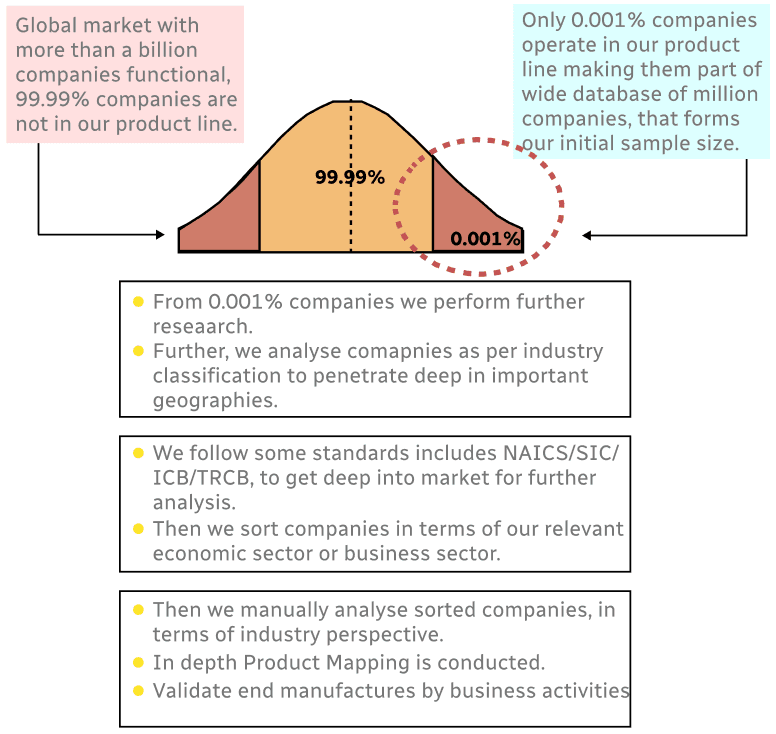
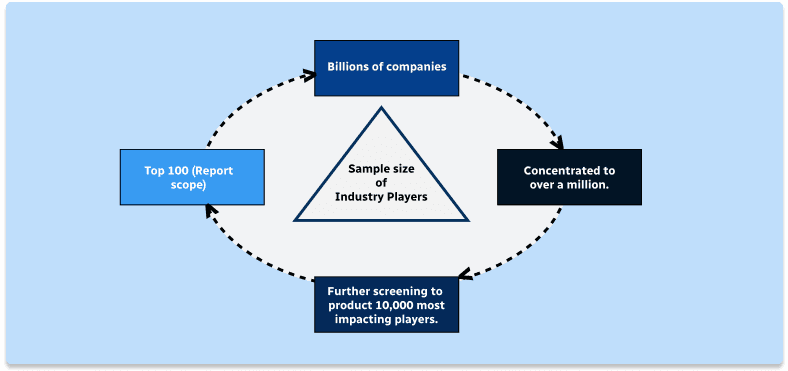
Step 1 - Identification of Relevant Samples Size from Population Database
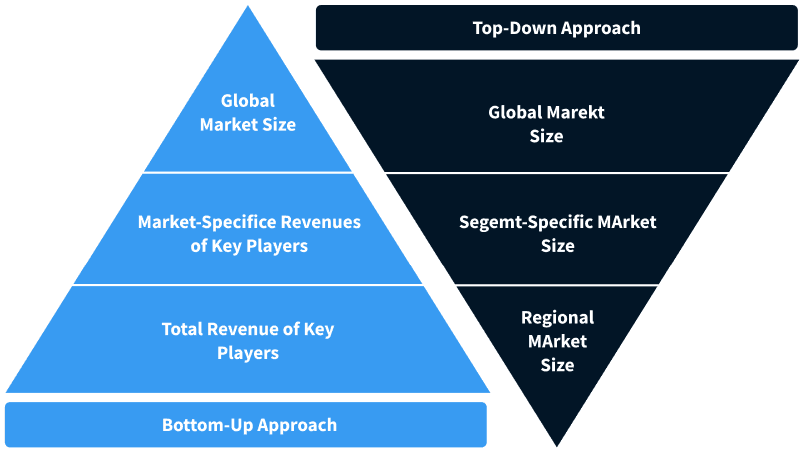
Step 2 - Approaches for Defining Global Market Size (Value, Volume* & Price*)
Note*: In applicable scenarios
Step 3 - Data Sources
Primary Research
- Web Analytics
- Survey Reports
- Research Institute
- Latest Research Reports
- Opinion Leaders
Secondary Research
- Annual Reports
- White Paper
- Latest Press Release
- Industry Association
- Paid Database
- Investor Presentations
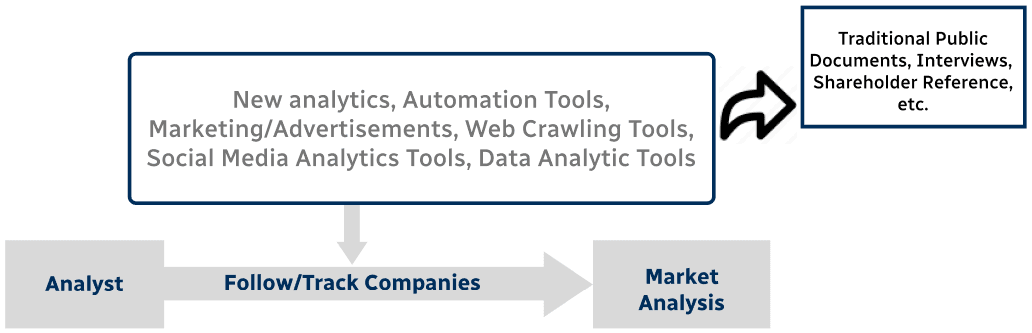
Step 4 - Data Triangulation
Involves using different sources of information in order to increase the validity of a study
These sources are likely to be stakeholders in a program - participants, other researchers, program staff, other community members, and so on.
Then we put all data in single framework & apply various statistical tools to find out the dynamic on the market.
During the analysis stage, feedback from the stakeholder groups would be compared to determine areas of agreement as well as areas of divergence