

Key Insights
The China cosmetic surgery market, valued at $1.58 billion in 2025, is projected to experience robust growth, exhibiting a Compound Annual Growth Rate (CAGR) of 11.40% from 2025 to 2033. This expansion is fueled by several key drivers. Rising disposable incomes among China's burgeoning middle class are empowering individuals to invest in aesthetic enhancements. A growing awareness of cosmetic procedures, fueled by social media influence and increased media coverage, is also significantly contributing to market growth. Furthermore, advancements in technology, leading to safer and more effective procedures with shorter recovery times, are boosting consumer confidence and demand. The market's segmentation reveals a preference for minimally invasive procedures, with energy-based aesthetic devices and non-energy-based devices leading the product segment. Hospitals and clinics remain the primary end-users, although the home-use segment is showing promising growth potential, reflecting a broader trend towards at-home beauty solutions. Popular applications include skin resurfacing, body contouring, and hair removal, highlighting the diverse needs of the Chinese consumer. While regulatory hurdles and potential safety concerns pose some restraints, the overall market outlook remains strongly positive, driven by the continuous evolution of technology and a growing consumer appetite for aesthetic enhancements.
Competition in the China cosmetic surgery market is intense, with both international and domestic players vying for market share. Key players like Nestle Skin Health (Galderma Laboratories), Candela Corporation, and Medytox Inc. are leveraging their established brand reputation and technological expertise to maintain a strong position. However, several emerging Chinese companies are also making significant inroads, driven by local market understanding and competitive pricing. The strategic focus among market leaders includes expanding product portfolios, investing in R&D to introduce innovative procedures, and forging strategic partnerships to broaden their reach. The market's future trajectory is expected to be shaped by factors including further technological advancements, evolving regulatory landscapes, and shifting consumer preferences. The growing demand for personalized treatments and the increasing use of digital marketing strategies will also play a pivotal role in shaping the competitive landscape in the years to come.
China Cosmetic Surgery Market: A Comprehensive Report (2019-2033)
This insightful report provides a detailed analysis of the burgeoning China cosmetic surgery market, offering a comprehensive overview of its current state, future trajectory, and key players. From market size and segmentation to technological advancements and regulatory influences, this report is an indispensable resource for stakeholders seeking to understand and capitalize on the significant opportunities within this dynamic sector. The study period covers 2019-2033, with 2025 serving as the base and estimated year, and the forecast period spanning 2025-2033. The historical period analyzed is 2019-2024. The market is valued at xx Million in 2025 and is projected to reach xx Million by 2033.

China Cosmetic Surgery Market Composition & Trends
This section dissects the competitive landscape of the China cosmetic surgery market, evaluating market concentration, innovation drivers, regulatory frameworks, substitute products, end-user demographics, and merger & acquisition (M&A) activities. The report reveals the market share distribution amongst key players, highlighting the strategies employed by leading companies like Nestle Skin Health (Galderma Laboratories), Candela Corporation, and Medytox Inc. Analysis of M&A activities includes deal values and their impact on market consolidation. The report further examines the influence of regulatory changes on market growth and the emergence of substitute products, impacting the overall market dynamics. End-user preferences and behavioral shifts are also analyzed in detail.
- Market Concentration: The market exhibits a [High/Medium/Low] level of concentration, with the top 5 players holding approximately xx% of the market share in 2025.
- Innovation Catalysts: Technological advancements in energy-based devices and minimally invasive procedures are driving market expansion.
- Regulatory Landscape: Stringent regulations regarding medical device approvals and safety standards influence market access and growth.
- Substitute Products: The rise of non-surgical cosmetic procedures presents a competitive challenge to traditional surgical methods.
- End-User Profiles: The report segments end-users into Hospitals, Clinics and Beauty Centers, and Home Settings, analyzing their distinct needs and preferences.
- M&A Activities: The report analyzes major M&A deals in the period 2019-2024, with total deal values estimated at xx Million.

China Cosmetic Surgery Market Industry Evolution
The China cosmetic surgery market has witnessed a dynamic and rapid evolution, transitioning from a niche segment to a mainstream pursuit. This section meticulously charts the historical growth trajectory and offers insightful projections for the future. A pivotal aspect of this evolution has been the relentless integration of technological advancements. The advent of sophisticated energy-based devices, including advanced laser technologies, radiofrequency, and ultrasound systems, has revolutionized treatment efficacy, safety, and patient experience. Similarly, the proliferation of minimally-invasive techniques, such as injectables, thread lifts, and non-surgical body contouring, has significantly democratized access to aesthetic procedures, appealing to a broader demographic.
Concurrently, the market's trajectory has been profoundly shaped by evolving consumer preferences and escalating demands. An increased global awareness of aesthetic possibilities, coupled with a growing emphasis on personal well-being and self-care, has fueled a surge in interest. Notably, there's a discernible shift towards non-invasive and minimally-invasive options, driven by reduced downtime, lower risks, and often more accessible price points. Detailed data points, including granular growth rates for various segments (e.g., facial rejuvenation, body sculpting, skin treatments), and adoption metrics for pioneering technologies, are extensively provided. The analysis further incorporates the pervasive influence of macroeconomic factors, such as robust economic growth, expanding disposable incomes, and urbanization, alongside changing demographic trends, including an aging population seeking rejuvenation and a younger generation embracing preventative aesthetics, on the overall market expansion. A thorough assessment of competitive dynamics and the strategic adaptations of key players in response to these emerging trends offers a comprehensive market panorama.
Leading Regions, Countries, or Segments in China Cosmetic Surgery Market
This section identifies the leading regions, countries, and segments within the China cosmetic surgery market. Using detailed data and analysis, we pinpoint the most dominant areas across product types (Energy-based Aesthetic Devices, Ultrasound Aesthetic Devices, Non-Energy-based Aesthetic Devices, Implants – Facial Implants, Breast Implants, Other Implants), end-users (Hospitals, Clinics and Beauty Centers, Home Settings), and applications (Skin Resurfacing and Tightening, Body Contouring and Cellulite Reduction, Hair Removal, Facial Aesthetic Procedures, Breast Augmentation, Other Applications). The dominance factors are analyzed, including investment trends and regulatory support.
- Key Drivers:
- Tier 1 Cities Dominance: Higher disposable incomes and greater awareness drive demand in major urban centers.
- Technological Advancements: Innovation in minimally invasive procedures fuels segment growth.
- Regulatory Support (or Constraints): [Specific details on supportive policies or regulatory hurdles impacting specific segments].
China Cosmetic Surgery Market Product Innovations
This section showcases the latest product innovations, their applications, and performance metrics. It highlights the unique selling propositions (USPs) of new devices and technologies, emphasizing technological advancements that improve safety, efficacy, and patient experience. The analysis also includes a discussion on the competitive landscape shaped by these innovations.
Propelling Factors for China Cosmetic Surgery Market Growth
The robust expansion of the China cosmetic surgery market is underpinned by a confluence of potent drivers. Technological advancements stand as a primary catalyst, with the continuous development of sophisticated minimally-invasive techniques and cutting-edge energy-based devices significantly enhancing treatment efficacy, precision, and patient comfort. This leads to higher satisfaction rates and increased adoption.
Economic factors play a crucial role. Rising disposable incomes, a burgeoning middle and upper-middle class with enhanced purchasing power, and a societal shift towards prioritizing personal aesthetics and self-improvement are directly fueling demand for a wide array of cosmetic procedures.
Furthermore, a favorable cultural landscape, where aesthetic appearance is increasingly valued in both personal and professional spheres, contributes significantly. The growing influence of social media and celebrity culture also promotes a greater acceptance and desire for aesthetic enhancements.
While not always a direct driver, regulatory evolution, as the government strives to standardize and professionalize the industry, can foster trust and confidence among consumers, indirectly supporting market growth. Investment in medical tourism infrastructure also opens new avenues.
Obstacles in the China Cosmetic Surgery Market
Despite its immense growth potential, the China cosmetic surgery market navigates a complex landscape fraught with several significant challenges. Stringent and evolving regulatory hurdles, including lengthy and rigorous approval processes for new medical devices and treatments, along with evolving safety protocols and licensing requirements for practitioners, can significantly impede market entry for innovative solutions and delay the widespread availability of advanced procedures.
Operational and logistical complexities, such as potential supply chain disruptions for specialized equipment and high-quality consumables, coupled with the substantial cost associated with acquiring and maintaining state-of-the-art technologies, can impact both the affordability and accessibility of treatments, particularly for smaller clinics and in less developed regions.
The market also grapples with ethical and reputational concerns, including instances of unqualified practitioners, counterfeit products, and a need for greater transparency regarding procedure risks and outcomes. Addressing these issues is critical for long-term sustainable growth and consumer trust.
Moreover, intense competition from a rapidly expanding network of both established domestic and international players, as well as the proliferation of smaller, independent clinics, further complicates the market landscape, necessitating continuous innovation and differentiation.
Future Opportunities in China Cosmetic Surgery Market
The China cosmetic surgery market is poised for continued expansion, presenting a wealth of exciting future opportunities. A significant avenue lies in expanding geographical reach and demographic targeting. There is substantial untapped potential in penetrating underserved tier-3 and tier-4 cities, as well as rural areas, where access to advanced aesthetic services is currently limited. Furthermore, tailoring treatments and marketing strategies to cater to the specific needs and desires of emerging demographic segments, such as the rapidly aging population seeking anti-aging solutions and the younger generation focused on preventative and subtle enhancements, will be crucial.
Technological innovation will continue to be a major growth engine. The integration of artificial intelligence (AI) in diagnostic tools for personalized treatment planning, the development of even more refined and less invasive surgical techniques, and advancements in regenerative medicine and bio-engineered materials for enhanced outcomes offer groundbreaking possibilities.
The undeniable and growing consumer demand for non-surgical and minimally-invasive cosmetic procedures creates a particularly fertile ground for expansion. This includes a heightened interest in injectables (e.g., hyaluronic acid fillers, neurotoxins), advanced energy-based treatments for skin tightening and resurfacing, and non-invasive body contouring technologies.
Finally, fostering medical tourism and enhancing the reputation for safety, quality, and ethical practice can attract a global clientele, further bolstering the market's standing and economic contributions.
Major Players in the China Cosmetic Surgery Market Ecosystem
- Nestle Skin Health (Galderma Laboratories) - A leading player in dermatology and aesthetics, offering a range of injectables and skincare solutions.
- Candela Corporation - Renowned for its advanced energy-based aesthetic devices, including laser, light-based, and other energy technologies.
- Medytox Inc - A key manufacturer of botulinum toxin products, a popular injectable for wrinkle reduction and muscle relaxation.
- Lumenis Inc - A global leader in energy-based solutions for aesthetic, surgical, and ophthalmic applications, with a strong presence in laser and light-based technologies.
- Cutera Inc - Specializes in innovative and differentiated energy-based aesthetic devices for a wide range of treatments.
- Merz Pharma GmbH & Co KGaA - A global healthcare company with a significant focus on aesthetics, offering injectables, devices, and skincare products.
- Sisram Medical Ltd (Alma Lasers) - A prominent provider of energy-based medical aesthetic devices, known for its advanced laser and light technologies.
- Abbvie Inc (Allergan Inc) - Through its acquisition of Allergan, AbbVie has a strong portfolio of aesthetic products, including popular dermal fillers and neurotoxins.
- Bausch Health Companies Inc - A diversified healthcare company with interests in various medical fields, including aesthetic and dermatological solutions.
- Sinclair Pharma PLC - A company focused on the aesthetics market, developing and commercializing medical aesthetic products globally.
Key Developments in China Cosmetic Surgery Market Industry
- [Month/Year]: [Specific development, e.g., Launch of a new energy-based device by Company X]
- [Month/Year]: [Specific development, e.g., Acquisition of Company Y by Company Z]
- [Month/Year]: [Specific development, e.g., New regulatory guidelines impacting the market]
Strategic China Cosmetic Surgery Market Forecast
The China cosmetic surgery market is poised for sustained growth driven by several factors, including increasing consumer awareness, rising disposable incomes, and continuous advancements in medical technology. The market is expected to witness strong growth in the coming years, particularly in minimally invasive procedures and non-surgical treatments. This positive outlook is underpinned by the ongoing expansion of the middle class and rising demand for aesthetic enhancements.
China Cosmetic Surgery Market Segmentation
-
1. Product
-
1.1. Energy-based Aesthetic Device
- 1.1.1. Laser-based Aesthetic Device
- 1.1.2. Radiofrequency (RF) Based Aesthetic Device
- 1.1.3. Light-based Aesthetic Device
- 1.1.4. Ultrasound Aesthetic Device
-
1.2. Non-energy Based Aesthetic Device
- 1.2.1. Botulinum Toxin
- 1.2.2. Dermal Fillers and Aesthetic Threads
- 1.2.3. Microdermabrasion
-
1.2.4. Implants
- 1.2.4.1. Facial Implants
- 1.2.4.2. Breast Implants
- 1.2.4.3. Other Implants
- 1.2.5. Other Products
-
1.1. Energy-based Aesthetic Device
-
2. Application
- 2.1. Skin Resurfacing and Tightening
- 2.2. Body Contouring and Cellulite Reduction
- 2.3. Hair Removal
- 2.4. Facial Aesthetic Procedures
- 2.5. Breast Augmentation
- 2.6. Other Applications
-
3. End User
- 3.1. Hospitals
- 3.2. Clinics and Beauty Centers
- 3.3. Home Settings
China Cosmetic Surgery Market Segmentation By Geography
- 1. China

China Cosmetic Surgery Market REPORT HIGHLIGHTS
| Aspects | Details |
|---|---|
| Study Period | 2019-2033 |
| Base Year | 2024 |
| Estimated Year | 2025 |
| Forecast Period | 2025-2033 |
| Historical Period | 2019-2024 |
| Growth Rate | CAGR of 11.40% from 2019-2033 |
| Segmentation |
|
Table of Contents
- 1. Introduction
- 1.1. Research Scope
- 1.2. Market Segmentation
- 1.3. Research Methodology
- 1.4. Definitions and Assumptions
- 2. Executive Summary
- 2.1. Introduction
- 3. Market Dynamics
- 3.1. Introduction
- 3.2. Market Drivers
- 3.2.1. Increasing Obese Population; Increasing Awareness Regarding Aesthetic Procedures and Rising Adoption of Minimally Invasive Devices; Technological Advancements in Devices
- 3.3. Market Restrains
- 3.3.1. Side Effects Associated With Cosmetic Procedures; Poor Reimbursement Scenario
- 3.4. Market Trends
- 3.4.1. Dermal Fillers and Aesthetic Threads Expected to Account for Major Market Share Over the Forecast Period
- 4. Market Factor Analysis
- 4.1. Porters Five Forces
- 4.2. Supply/Value Chain
- 4.3. PESTEL analysis
- 4.4. Market Entropy
- 4.5. Patent/Trademark Analysis
- 5. China Cosmetic Surgery Market Analysis, Insights and Forecast, 2019-2031
- 5.1. Market Analysis, Insights and Forecast - by Product
- 5.1.1. Energy-based Aesthetic Device
- 5.1.1.1. Laser-based Aesthetic Device
- 5.1.1.2. Radiofrequency (RF) Based Aesthetic Device
- 5.1.1.3. Light-based Aesthetic Device
- 5.1.1.4. Ultrasound Aesthetic Device
- 5.1.2. Non-energy Based Aesthetic Device
- 5.1.2.1. Botulinum Toxin
- 5.1.2.2. Dermal Fillers and Aesthetic Threads
- 5.1.2.3. Microdermabrasion
- 5.1.2.4. Implants
- 5.1.2.4.1. Facial Implants
- 5.1.2.4.2. Breast Implants
- 5.1.2.4.3. Other Implants
- 5.1.2.5. Other Products
- 5.1.1. Energy-based Aesthetic Device
- 5.2. Market Analysis, Insights and Forecast - by Application
- 5.2.1. Skin Resurfacing and Tightening
- 5.2.2. Body Contouring and Cellulite Reduction
- 5.2.3. Hair Removal
- 5.2.4. Facial Aesthetic Procedures
- 5.2.5. Breast Augmentation
- 5.2.6. Other Applications
- 5.3. Market Analysis, Insights and Forecast - by End User
- 5.3.1. Hospitals
- 5.3.2. Clinics and Beauty Centers
- 5.3.3. Home Settings
- 5.4. Market Analysis, Insights and Forecast - by Region
- 5.4.1. China
- 5.1. Market Analysis, Insights and Forecast - by Product
- 6. Competitive Analysis
- 6.1. Market Share Analysis 2024
- 6.2. Company Profiles
- 6.2.1 Nestle Skin Health (Galderma Laboratories)
- 6.2.1.1. Overview
- 6.2.1.2. Products
- 6.2.1.3. SWOT Analysis
- 6.2.1.4. Recent Developments
- 6.2.1.5. Financials (Based on Availability)
- 6.2.2 Candela Corporation
- 6.2.2.1. Overview
- 6.2.2.2. Products
- 6.2.2.3. SWOT Analysis
- 6.2.2.4. Recent Developments
- 6.2.2.5. Financials (Based on Availability)
- 6.2.3 Medytox Inc
- 6.2.3.1. Overview
- 6.2.3.2. Products
- 6.2.3.3. SWOT Analysis
- 6.2.3.4. Recent Developments
- 6.2.3.5. Financials (Based on Availability)
- 6.2.4 Lumenis Inc
- 6.2.4.1. Overview
- 6.2.4.2. Products
- 6.2.4.3. SWOT Analysis
- 6.2.4.4. Recent Developments
- 6.2.4.5. Financials (Based on Availability)
- 6.2.5 Cutera Inc
- 6.2.5.1. Overview
- 6.2.5.2. Products
- 6.2.5.3. SWOT Analysis
- 6.2.5.4. Recent Developments
- 6.2.5.5. Financials (Based on Availability)
- 6.2.6 Merz Pharma GmbH & Co KGaA
- 6.2.6.1. Overview
- 6.2.6.2. Products
- 6.2.6.3. SWOT Analysis
- 6.2.6.4. Recent Developments
- 6.2.6.5. Financials (Based on Availability)
- 6.2.7 Sisram Medical Ltd (Alma Lasers)
- 6.2.7.1. Overview
- 6.2.7.2. Products
- 6.2.7.3. SWOT Analysis
- 6.2.7.4. Recent Developments
- 6.2.7.5. Financials (Based on Availability)
- 6.2.8 Abbvie Inc (Allergan Inc)
- 6.2.8.1. Overview
- 6.2.8.2. Products
- 6.2.8.3. SWOT Analysis
- 6.2.8.4. Recent Developments
- 6.2.8.5. Financials (Based on Availability)
- 6.2.9 Bausch Health Companies Inc
- 6.2.9.1. Overview
- 6.2.9.2. Products
- 6.2.9.3. SWOT Analysis
- 6.2.9.4. Recent Developments
- 6.2.9.5. Financials (Based on Availability)
- 6.2.10 Sinclair Pharma PLC
- 6.2.10.1. Overview
- 6.2.10.2. Products
- 6.2.10.3. SWOT Analysis
- 6.2.10.4. Recent Developments
- 6.2.10.5. Financials (Based on Availability)
- 6.2.1 Nestle Skin Health (Galderma Laboratories)
List of Figures
- Figure 1: China Cosmetic Surgery Market Revenue Breakdown (Million, %) by Product 2024 & 2032
- Figure 2: China Cosmetic Surgery Market Share (%) by Company 2024
List of Tables
- Table 1: China Cosmetic Surgery Market Revenue Million Forecast, by Region 2019 & 2032
- Table 2: China Cosmetic Surgery Market Revenue Million Forecast, by Product 2019 & 2032
- Table 3: China Cosmetic Surgery Market Revenue Million Forecast, by Application 2019 & 2032
- Table 4: China Cosmetic Surgery Market Revenue Million Forecast, by End User 2019 & 2032
- Table 5: China Cosmetic Surgery Market Revenue Million Forecast, by Region 2019 & 2032
- Table 6: China Cosmetic Surgery Market Revenue Million Forecast, by Country 2019 & 2032
- Table 7: China Cosmetic Surgery Market Revenue Million Forecast, by Product 2019 & 2032
- Table 8: China Cosmetic Surgery Market Revenue Million Forecast, by Application 2019 & 2032
- Table 9: China Cosmetic Surgery Market Revenue Million Forecast, by End User 2019 & 2032
- Table 10: China Cosmetic Surgery Market Revenue Million Forecast, by Country 2019 & 2032
Frequently Asked Questions
1. What is the projected Compound Annual Growth Rate (CAGR) of the China Cosmetic Surgery Market?
The projected CAGR is approximately 11.40%.
2. Which companies are prominent players in the China Cosmetic Surgery Market?
Key companies in the market include Nestle Skin Health (Galderma Laboratories), Candela Corporation, Medytox Inc, Lumenis Inc, Cutera Inc, Merz Pharma GmbH & Co KGaA, Sisram Medical Ltd (Alma Lasers), Abbvie Inc (Allergan Inc), Bausch Health Companies Inc, Sinclair Pharma PLC.
3. What are the main segments of the China Cosmetic Surgery Market?
The market segments include Product, Application, End User.
4. Can you provide details about the market size?
The market size is estimated to be USD 1.58 Million as of 2022.
5. What are some drivers contributing to market growth?
Increasing Obese Population; Increasing Awareness Regarding Aesthetic Procedures and Rising Adoption of Minimally Invasive Devices; Technological Advancements in Devices.
6. What are the notable trends driving market growth?
Dermal Fillers and Aesthetic Threads Expected to Account for Major Market Share Over the Forecast Period.
7. Are there any restraints impacting market growth?
Side Effects Associated With Cosmetic Procedures; Poor Reimbursement Scenario.
8. Can you provide examples of recent developments in the market?
N/A
9. What pricing options are available for accessing the report?
Pricing options include single-user, multi-user, and enterprise licenses priced at USD 3800, USD 4500, and USD 5800 respectively.
10. Is the market size provided in terms of value or volume?
The market size is provided in terms of value, measured in Million.
11. Are there any specific market keywords associated with the report?
Yes, the market keyword associated with the report is "China Cosmetic Surgery Market," which aids in identifying and referencing the specific market segment covered.
12. How do I determine which pricing option suits my needs best?
The pricing options vary based on user requirements and access needs. Individual users may opt for single-user licenses, while businesses requiring broader access may choose multi-user or enterprise licenses for cost-effective access to the report.
13. Are there any additional resources or data provided in the China Cosmetic Surgery Market report?
While the report offers comprehensive insights, it's advisable to review the specific contents or supplementary materials provided to ascertain if additional resources or data are available.
14. How can I stay updated on further developments or reports in the China Cosmetic Surgery Market?
To stay informed about further developments, trends, and reports in the China Cosmetic Surgery Market, consider subscribing to industry newsletters, following relevant companies and organizations, or regularly checking reputable industry news sources and publications.
Methodology
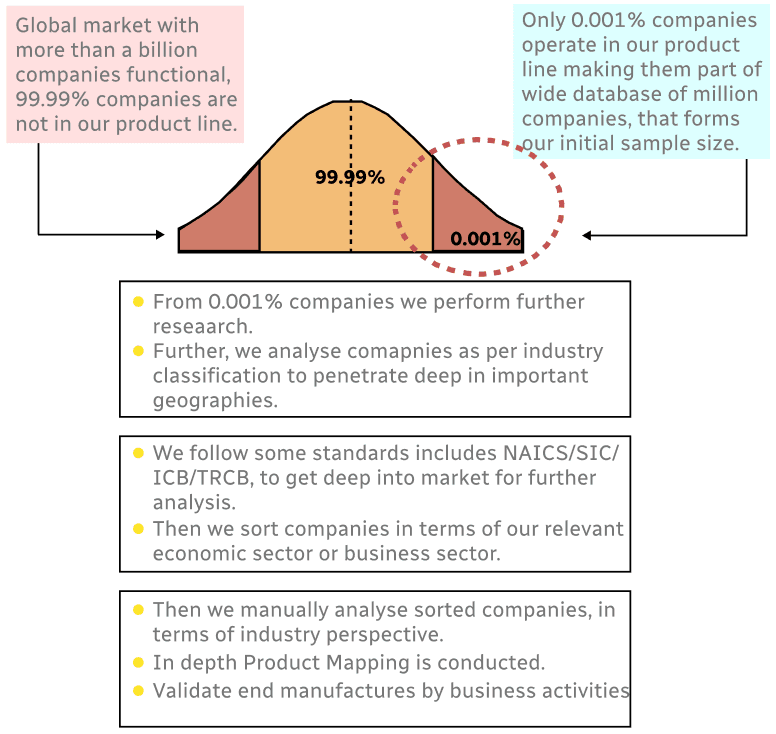
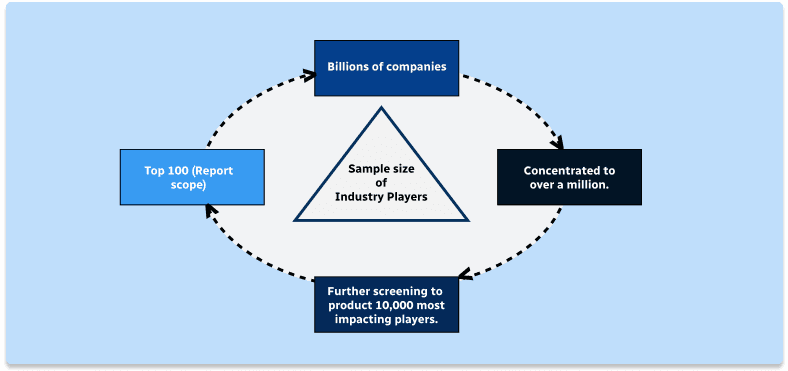
Step 1 - Identification of Relevant Samples Size from Population Database
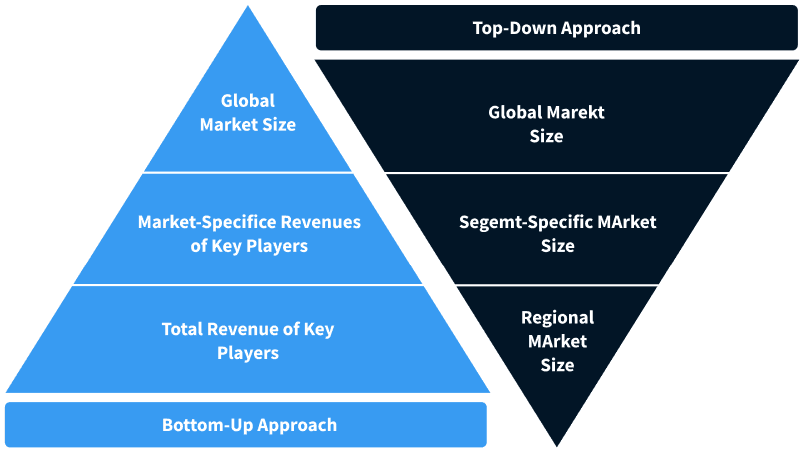
Step 2 - Approaches for Defining Global Market Size (Value, Volume* & Price*)
Note*: In applicable scenarios
Step 3 - Data Sources
Primary Research
- Web Analytics
- Survey Reports
- Research Institute
- Latest Research Reports
- Opinion Leaders
Secondary Research
- Annual Reports
- White Paper
- Latest Press Release
- Industry Association
- Paid Database
- Investor Presentations
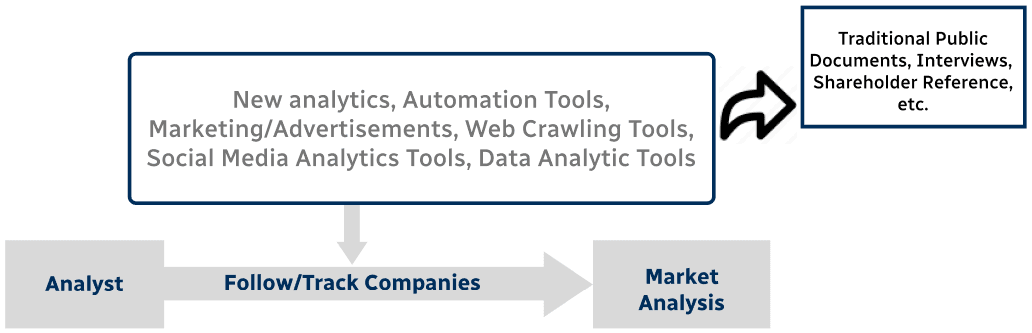
Step 4 - Data Triangulation
Involves using different sources of information in order to increase the validity of a study
These sources are likely to be stakeholders in a program - participants, other researchers, program staff, other community members, and so on.
Then we put all data in single framework & apply various statistical tools to find out the dynamic on the market.
During the analysis stage, feedback from the stakeholder groups would be compared to determine areas of agreement as well as areas of divergence