

Key Insights
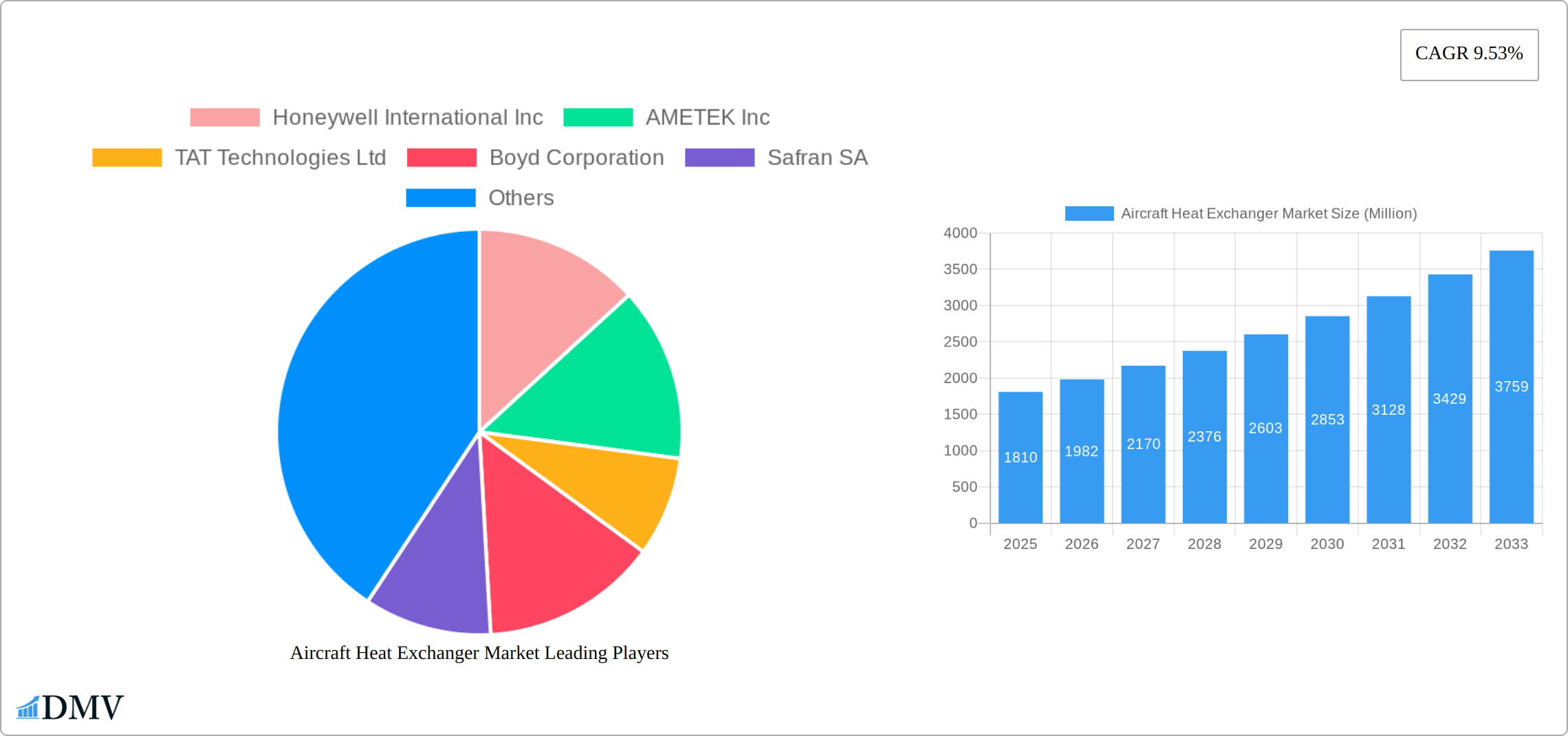
The Aircraft Heat Exchanger Market, valued at $1.81 billion in 2025, is projected to experience robust growth, driven by the increasing demand for advanced aircraft technologies and a rising number of aircraft in operation globally. The market's Compound Annual Growth Rate (CAGR) of 9.53% from 2025 to 2033 reflects significant expansion opportunities across various segments. Key growth drivers include the increasing adoption of fuel-efficient aircraft designs, stringent emission regulations pushing for improved heat management systems, and the rising popularity of Unmanned Aerial Vehicles (UAVs). Technological advancements in heat exchanger materials and designs, leading to enhanced thermal efficiency and durability, are also contributing to market growth. The market is segmented by type (plate-fin, flat tube) and platform (fixed-wing, rotary-wing, UAVs), with the fixed-wing segment currently dominating due to its larger market share in the overall aircraft industry. However, the UAV segment is expected to exhibit faster growth in the forecast period due to the increasing use of UAVs in various applications. Geographic expansion, particularly in the Asia-Pacific region fueled by significant growth in air travel and manufacturing, presents significant opportunities for market players. While the market faces certain restraints, such as high initial investment costs and the complexity of integrating these systems into aircraft, the overall outlook remains positive, promising substantial growth over the forecast period.
The competitive landscape comprises major players such as Honeywell International Inc., AMETEK Inc., and Safran SA, who are actively engaged in technological advancements, strategic partnerships, and geographic expansion to maintain their market positions. The increasing focus on sustainability and reducing carbon emissions is likely to drive demand for innovative, high-efficiency heat exchangers. Companies are investing heavily in research and development to create lighter, more efficient designs that meet stringent environmental regulations. The growth of the commercial aviation sector and the rising adoption of advanced materials are key factors contributing to the expansion of this market. The market is expected to see continued consolidation through mergers and acquisitions as companies strive to enhance their market share and technological capabilities. The growth in military and defense aircraft heat exchangers will also support overall growth.
Aircraft Heat Exchanger Market: A Comprehensive Report (2019-2033)
This insightful report provides a detailed analysis of the Aircraft Heat Exchanger Market, offering a comprehensive overview of market trends, leading players, and future growth prospects. The study period covers 2019-2033, with 2025 serving as the base and estimated year. The forecast period spans 2025-2033, while the historical period encompasses 2019-2024. This report is essential for stakeholders seeking to understand the dynamics of this crucial aviation sector. The market size is projected to reach xx Million by 2033.
Aircraft Heat Exchanger Market Market Composition & Trends
This section delves into the intricate structure of the Aircraft Heat Exchanger Market, examining its concentration, innovation drivers, regulatory landscape, substitute products, end-user profiles, and mergers & acquisitions (M&A) activities. The market is characterized by a moderately concentrated landscape, with key players holding significant market share. The distribution is as follows: Honeywell International Inc. (xx%), AMETEK Inc. (xx%), TAT Technologies Ltd. (xx%), and others (xx%). Innovation is fueled by the demand for enhanced heat transfer efficiency, lightweight materials, and improved durability. Stringent safety regulations and environmental standards govern the industry. While alternative cooling technologies exist, their adoption remains limited due to specific performance requirements. Major end-users include commercial airlines, military aviation, and general aviation.
- Market Share Distribution: Honeywell International Inc. holds the largest market share, followed by AMETEK Inc. and TAT Technologies Ltd. Precise figures are detailed within the report.
- M&A Activity: The report details significant M&A deals, analyzing their impact on market consolidation and technological advancements. Total deal value for the period is estimated at xx Million.
- Innovation Catalysts: Focus on lightweight materials, improved heat transfer efficiency, and advanced manufacturing techniques are driving innovation.
- Regulatory Landscape: Stringent safety and environmental regulations influence product design and manufacturing processes.
Aircraft Heat Exchanger Market Industry Evolution
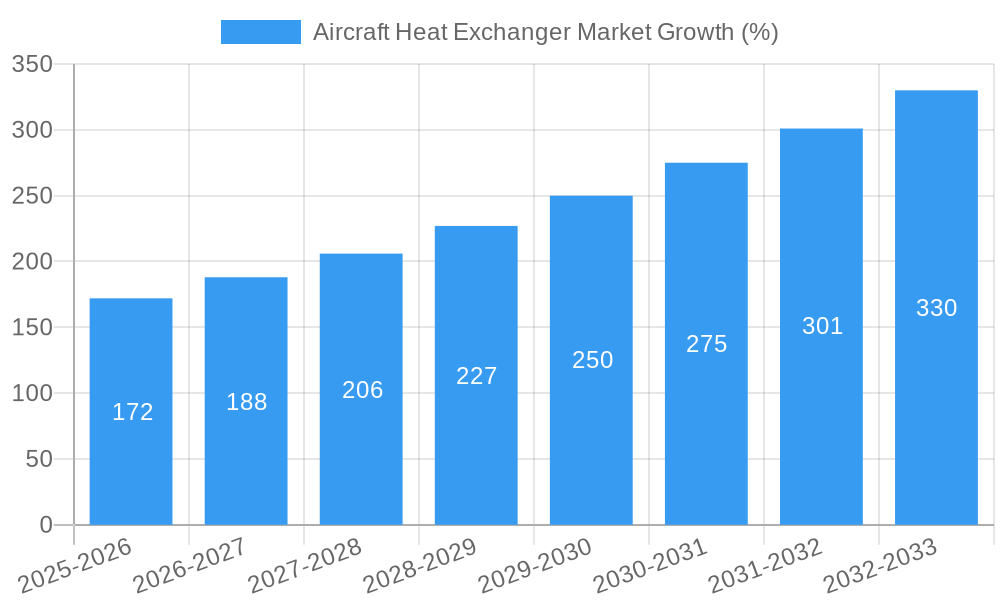
The Aircraft Heat Exchanger Market has witnessed robust and sustained expansion, propelled by a confluence of powerful drivers. The undeniable surge in global air travel, fueled by increasing disposable incomes and expanding connectivity, forms a foundational pillar of this growth. Concurrently, the relentless pursuit of aerodynamic efficiency and passenger comfort is spurring the adoption of increasingly sophisticated aircraft, which in turn necessitates advanced thermal management solutions. The market is projected to maintain its upward trajectory, exhibiting a Compound Annual Growth Rate (CAGR) of approximately 7-9% from 2025 to 2033. This growth is intricately linked to groundbreaking technological advancements, most notably the development of novel heat exchanger designs incorporating advanced materials like advanced composites and lightweight alloys. These innovations promise enhanced thermal transfer capabilities, reduced weight, and improved durability. Furthermore, evolving passenger expectations for a seamless and comfortable in-flight experience, encompassing cabin climate control and advanced avionics cooling, are indirectly driving the demand for more efficient heat exchanger systems. The integration rate of these cutting-edge heat exchanger technologies in new aircraft is on a significant upward trend, with an estimated 60-70% of new aircraft incorporating these advanced solutions in 2024, a figure anticipated to climb to 85-95% by 2033.
Leading Regions, Countries, or Segments in Aircraft Heat Exchanger Market
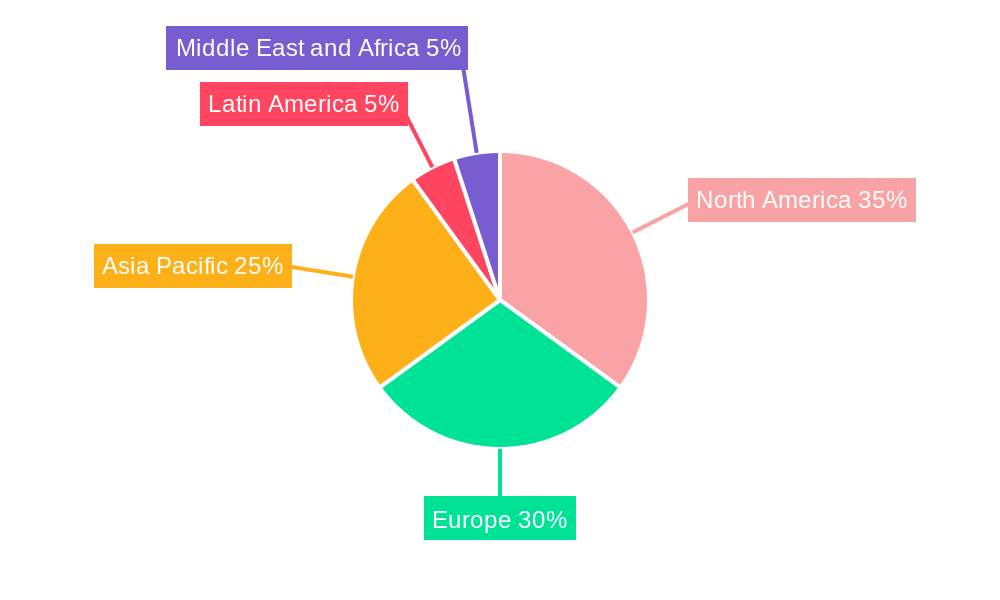
The North American region currently dominates the Aircraft Heat Exchanger Market, driven by strong demand from the commercial and military aviation sectors. The dominance of this region is primarily attributable to the high concentration of aircraft manufacturers and robust research and development activities.
- Key Drivers for North American Dominance:
- High aircraft manufacturing activity
- Significant R&D investments
- Strong government support for aerospace industry
- Well-established supply chain infrastructure
- Plate-Fin Segment: This segment holds the largest market share due to its superior heat transfer efficiency and compact design.
- Fixed-Wing Platform: This segment dominates the market owing to the significantly larger number of fixed-wing aircraft compared to rotary-wing and UAVs.
Detailed analyses of other regions and segments are presented in the full report, including market size projections for each segment and region. The growth of the UAV segment is projected to outpace other platforms in the coming years.
Aircraft Heat Exchanger Market Product Innovations
Recent innovations in aircraft heat exchangers have focused on improving heat transfer efficiency, reducing weight, and enhancing durability. This includes the development of advanced materials like lightweight alloys and composites, as well as innovative designs such as microchannel heat exchangers. These advancements lead to improved fuel efficiency, reduced operating costs, and enhanced aircraft performance. Specific examples include the introduction of new brazing techniques and the integration of advanced manufacturing processes to create lighter and more efficient designs. Unique selling propositions include increased thermal efficiency, improved durability, and reduced weight, leading to a competitive edge in the market.
Propelling Factors for Aircraft Heat Exchanger Market Growth
Several potent forces are synergistically propelling the Aircraft Heat Exchanger Market forward. The escalating global demand for air travel, a direct consequence of burgeoning globalization, a growing middle class, and increased international business activities, is a primary catalyst. This demand translates directly into a higher production rate of new aircraft, thereby augmenting the need for essential heat exchanger components. Technological innovation stands as another pivotal driver. The continuous development of lighter, more compact, and significantly more efficient heat exchangers, utilizing advanced materials and optimized fluid dynamics, is crucial for enhancing aircraft performance and reducing operational costs. In parallel, the intensifying global focus on environmental sustainability and stringent emissions regulations are compelling manufacturers to prioritize fuel efficiency. Advanced heat exchangers play a critical role in optimizing engine performance and reducing fuel consumption, making them indispensable for meeting these environmental mandates. Moreover, substantial and ongoing government investments in aerospace research and development programs, both domestically and internationally, are fostering an environment conducive to innovation and providing crucial support for the expansion of the market by funding next-generation technologies and infrastructure.
Obstacles in the Aircraft Heat Exchanger Market Market
While the outlook for the Aircraft Heat Exchanger Market remains predominantly positive, several persistent challenges demand careful consideration and strategic mitigation. The inherent complexity and specialized nature of the aerospace supply chain can lead to significant disruptions, particularly concerning the availability of critical raw materials like exotic alloys and specialized components. Such disruptions can directly impact production timelines and contribute to escalating manufacturing costs. The market is characterized by intense competition, not only among established global players with extensive R&D capabilities and long-standing customer relationships but also from agile and innovative emerging entrants. This competitive landscape can exert considerable pressure on pricing strategies and ultimately impact profit margins. Furthermore, the highly regulated nature of the aerospace industry necessitates adherence to rigorous safety and performance standards. Stringent regulatory requirements and lengthy, complex certification processes for new heat exchanger designs and materials can significantly prolong product development cycles and increase the overall cost and effort associated with bringing innovative solutions to market.
Future Opportunities in Aircraft Heat Exchanger Market
The Aircraft Heat Exchanger Market is replete with promising avenues for future growth and innovation. The burgeoning Unmanned Aerial Vehicle (UAV) or drone market presents a significant and rapidly expanding opportunity, necessitating specialized and often miniaturized heat exchanger solutions for various applications, ranging from military reconnaissance and delivery services to agricultural monitoring. The global imperative towards sustainable aviation is generating substantial demand for heat exchangers specifically designed and optimized for efficient operation with Sustainable Aviation Fuels (SAFs). This includes developing materials and designs that can withstand the unique properties of SAFs while maintaining peak thermal performance. Continuous advancements in materials science and cutting-edge manufacturing technologies, such as additive manufacturing (3D printing) and advanced welding techniques, are continuously unlocking new possibilities for designing heat exchangers with unprecedented levels of performance, reduced weight, enhanced reliability, and greater design flexibility. These innovations are set to redefine the capabilities and applications of aircraft heat exchangers.
Major Players in the Aircraft Heat Exchanger Market Ecosystem
- Honeywell International Inc.
- AMETEK Inc.
- TAT Technologies Ltd.
- Boyd Corporation
- Safran SA
- RTX Corporation
- Wall Colmonoy Corporation
- Triumph Group
- Parker Hannifin Corporation
- IHI Corporation
Key Developments in Aircraft Heat Exchanger Market Industry
- January 2023: Aerobraze Engineered Technologies secured a significant five-year United States Air Force (USAF) contract for the remanufacturing of F-16 fighter jet heat exchangers. This landmark agreement underscores the substantial and ongoing demand for maintenance, repair, and overhaul (MRO) services within the military aviation sector, indicating a stable revenue stream for specialized MRO providers.
- October 2022: Limco Airepair, a subsidiary of TAT Technologies Ltd., finalized a pivotal contract with Collins Aerospace for the provision of Maintenance, Repair, and Overhaul (MRO) services for thermal components specifically for the Boeing B777 aircraft. This development highlights the growing importance and economic viability of the MRO market for advanced heat exchangers in the commercial aviation sector, particularly for wide-body aircraft.
- February 2022: SAEI (Specialty Air Engineering Inc.) and Liebherr-Aerospace, a key player in aerospace components, successfully renewed their strategic component service agreement. This extended collaboration focuses on enhancing heat exchanger services across the Middle East region, signaling significant regional market growth, the establishment of robust strategic partnerships, and an increased demand for specialized aerospace engineering services in emerging aviation hubs.
Strategic Aircraft Heat Exchanger Market Market Forecast
The Aircraft Heat Exchanger Market is poised for continued growth, driven by technological advancements, increasing demand for air travel, and the expansion of the UAV sector. The focus on fuel efficiency and sustainable aviation will further stimulate demand for innovative heat exchanger solutions. Opportunities lie in developing lightweight, high-performance heat exchangers for next-generation aircraft and expanding into emerging markets. The market is expected to witness significant expansion over the forecast period, exceeding xx Million by 2033.
Aircraft Heat Exchanger Market Segmentation
- 1. Production Analysis
- 2. Consumption Analysis
- 3. Import Market Analysis (Value & Volume)
- 4. Export Market Analysis (Value & Volume)
- 5. Price Trend Analysis
Aircraft Heat Exchanger Market Segmentation By Geography
-
1. North America
- 1.1. United States
- 1.2. Canada
- 1.3. Mexico
-
2. South America
- 2.1. Brazil
- 2.2. Argentina
- 2.3. Rest of South America
-
3. Europe
- 3.1. United Kingdom
- 3.2. Germany
- 3.3. France
- 3.4. Italy
- 3.5. Spain
- 3.6. Russia
- 3.7. Benelux
- 3.8. Nordics
- 3.9. Rest of Europe
-
4. Middle East & Africa
- 4.1. Turkey
- 4.2. Israel
- 4.3. GCC
- 4.4. North Africa
- 4.5. South Africa
- 4.6. Rest of Middle East & Africa
-
5. Asia Pacific
- 5.1. China
- 5.2. India
- 5.3. Japan
- 5.4. South Korea
- 5.5. ASEAN
- 5.6. Oceania
- 5.7. Rest of Asia Pacific
Aircraft Heat Exchanger Market REPORT HIGHLIGHTS
| Aspects | Details |
|---|---|
| Study Period | 2019-2033 |
| Base Year | 2024 |
| Estimated Year | 2025 |
| Forecast Period | 2025-2033 |
| Historical Period | 2019-2024 |
| Growth Rate | CAGR of 9.53% from 2019-2033 |
| Segmentation |
|
Table of Contents
- 1. Introduction
- 1.1. Research Scope
- 1.2. Market Segmentation
- 1.3. Research Methodology
- 1.4. Definitions and Assumptions
- 2. Executive Summary
- 2.1. Introduction
- 3. Market Dynamics
- 3.1. Introduction
- 3.2. Market Drivers
- 3.2.1. ; Increased Seaborne Threats And Ambiguous Maritime Security Policies; Increasing Adoption Of Security Technologies In Bric Countries
- 3.3. Market Restrains
- 3.3.1. ; High Risk Rate In Ungoverned Zones; Unstructured Security Standards And Technologies
- 3.4. Market Trends
- 3.4.1. The Fixed-Wing Segment is Anticipated to Grow with the Highest CAGR During the Forecast Period
- 4. Market Factor Analysis
- 4.1. Porters Five Forces
- 4.2. Supply/Value Chain
- 4.3. PESTEL analysis
- 4.4. Market Entropy
- 4.5. Patent/Trademark Analysis
- 5. Global Aircraft Heat Exchanger Market Analysis, Insights and Forecast, 2019-2031
- 5.1. Market Analysis, Insights and Forecast - by Production Analysis
- 5.2. Market Analysis, Insights and Forecast - by Consumption Analysis
- 5.3. Market Analysis, Insights and Forecast - by Import Market Analysis (Value & Volume)
- 5.4. Market Analysis, Insights and Forecast - by Export Market Analysis (Value & Volume)
- 5.5. Market Analysis, Insights and Forecast - by Price Trend Analysis
- 5.6. Market Analysis, Insights and Forecast - by Region
- 5.6.1. North America
- 5.6.2. South America
- 5.6.3. Europe
- 5.6.4. Middle East & Africa
- 5.6.5. Asia Pacific
- 5.1. Market Analysis, Insights and Forecast - by Production Analysis
- 6. North America Aircraft Heat Exchanger Market Analysis, Insights and Forecast, 2019-2031
- 6.1. Market Analysis, Insights and Forecast - by Production Analysis
- 6.2. Market Analysis, Insights and Forecast - by Consumption Analysis
- 6.3. Market Analysis, Insights and Forecast - by Import Market Analysis (Value & Volume)
- 6.4. Market Analysis, Insights and Forecast - by Export Market Analysis (Value & Volume)
- 6.5. Market Analysis, Insights and Forecast - by Price Trend Analysis
- 6.1. Market Analysis, Insights and Forecast - by Production Analysis
- 7. South America Aircraft Heat Exchanger Market Analysis, Insights and Forecast, 2019-2031
- 7.1. Market Analysis, Insights and Forecast - by Production Analysis
- 7.2. Market Analysis, Insights and Forecast - by Consumption Analysis
- 7.3. Market Analysis, Insights and Forecast - by Import Market Analysis (Value & Volume)
- 7.4. Market Analysis, Insights and Forecast - by Export Market Analysis (Value & Volume)
- 7.5. Market Analysis, Insights and Forecast - by Price Trend Analysis
- 7.1. Market Analysis, Insights and Forecast - by Production Analysis
- 8. Europe Aircraft Heat Exchanger Market Analysis, Insights and Forecast, 2019-2031
- 8.1. Market Analysis, Insights and Forecast - by Production Analysis
- 8.2. Market Analysis, Insights and Forecast - by Consumption Analysis
- 8.3. Market Analysis, Insights and Forecast - by Import Market Analysis (Value & Volume)
- 8.4. Market Analysis, Insights and Forecast - by Export Market Analysis (Value & Volume)
- 8.5. Market Analysis, Insights and Forecast - by Price Trend Analysis
- 8.1. Market Analysis, Insights and Forecast - by Production Analysis
- 9. Middle East & Africa Aircraft Heat Exchanger Market Analysis, Insights and Forecast, 2019-2031
- 9.1. Market Analysis, Insights and Forecast - by Production Analysis
- 9.2. Market Analysis, Insights and Forecast - by Consumption Analysis
- 9.3. Market Analysis, Insights and Forecast - by Import Market Analysis (Value & Volume)
- 9.4. Market Analysis, Insights and Forecast - by Export Market Analysis (Value & Volume)
- 9.5. Market Analysis, Insights and Forecast - by Price Trend Analysis
- 9.1. Market Analysis, Insights and Forecast - by Production Analysis
- 10. Asia Pacific Aircraft Heat Exchanger Market Analysis, Insights and Forecast, 2019-2031
- 10.1. Market Analysis, Insights and Forecast - by Production Analysis
- 10.2. Market Analysis, Insights and Forecast - by Consumption Analysis
- 10.3. Market Analysis, Insights and Forecast - by Import Market Analysis (Value & Volume)
- 10.4. Market Analysis, Insights and Forecast - by Export Market Analysis (Value & Volume)
- 10.5. Market Analysis, Insights and Forecast - by Price Trend Analysis
- 10.1. Market Analysis, Insights and Forecast - by Production Analysis
- 11. North America Aircraft Heat Exchanger Market Analysis, Insights and Forecast, 2019-2031
- 11.1. Market Analysis, Insights and Forecast - By Country/Sub-region
- 11.1.1 United States
- 11.1.2 Canada
- 12. Europe Aircraft Heat Exchanger Market Analysis, Insights and Forecast, 2019-2031
- 12.1. Market Analysis, Insights and Forecast - By Country/Sub-region
- 12.1.1 United Kingdom
- 12.1.2 Germany
- 12.1.3 France
- 12.1.4 Russia
- 12.1.5 Rest of Europe
- 13. Asia Pacific Aircraft Heat Exchanger Market Analysis, Insights and Forecast, 2019-2031
- 13.1. Market Analysis, Insights and Forecast - By Country/Sub-region
- 13.1.1 China
- 13.1.2 India
- 13.1.3 Japan
- 13.1.4 South Korea
- 13.1.5 Rest of Asia Pacific
- 14. Latin America Aircraft Heat Exchanger Market Analysis, Insights and Forecast, 2019-2031
- 14.1. Market Analysis, Insights and Forecast - By Country/Sub-region
- 14.1.1 Brazil
- 14.1.2 Rest of Latin America
- 15. Middle East and Africa Aircraft Heat Exchanger Market Analysis, Insights and Forecast, 2019-2031
- 15.1. Market Analysis, Insights and Forecast - By Country/Sub-region
- 15.1.1 Saudi Arabia
- 15.1.2 United Arab Emirates
- 15.1.3 South Africa
- 15.1.4 Rest of Middle East and Africa
- 16. Competitive Analysis
- 16.1. Global Market Share Analysis 2024
- 16.2. Company Profiles
- 16.2.1 Honeywell International Inc
- 16.2.1.1. Overview
- 16.2.1.2. Products
- 16.2.1.3. SWOT Analysis
- 16.2.1.4. Recent Developments
- 16.2.1.5. Financials (Based on Availability)
- 16.2.2 AMETEK Inc
- 16.2.2.1. Overview
- 16.2.2.2. Products
- 16.2.2.3. SWOT Analysis
- 16.2.2.4. Recent Developments
- 16.2.2.5. Financials (Based on Availability)
- 16.2.3 TAT Technologies Ltd
- 16.2.3.1. Overview
- 16.2.3.2. Products
- 16.2.3.3. SWOT Analysis
- 16.2.3.4. Recent Developments
- 16.2.3.5. Financials (Based on Availability)
- 16.2.4 Boyd Corporation
- 16.2.4.1. Overview
- 16.2.4.2. Products
- 16.2.4.3. SWOT Analysis
- 16.2.4.4. Recent Developments
- 16.2.4.5. Financials (Based on Availability)
- 16.2.5 Safran SA
- 16.2.5.1. Overview
- 16.2.5.2. Products
- 16.2.5.3. SWOT Analysis
- 16.2.5.4. Recent Developments
- 16.2.5.5. Financials (Based on Availability)
- 16.2.6 RTX Corporation
- 16.2.6.1. Overview
- 16.2.6.2. Products
- 16.2.6.3. SWOT Analysis
- 16.2.6.4. Recent Developments
- 16.2.6.5. Financials (Based on Availability)
- 16.2.7 Wall Colmonoy Corporation
- 16.2.7.1. Overview
- 16.2.7.2. Products
- 16.2.7.3. SWOT Analysis
- 16.2.7.4. Recent Developments
- 16.2.7.5. Financials (Based on Availability)
- 16.2.8 Triumph Group
- 16.2.8.1. Overview
- 16.2.8.2. Products
- 16.2.8.3. SWOT Analysis
- 16.2.8.4. Recent Developments
- 16.2.8.5. Financials (Based on Availability)
- 16.2.9 Parker Hannifin Corporation
- 16.2.9.1. Overview
- 16.2.9.2. Products
- 16.2.9.3. SWOT Analysis
- 16.2.9.4. Recent Developments
- 16.2.9.5. Financials (Based on Availability)
- 16.2.10 IHI Corporation
- 16.2.10.1. Overview
- 16.2.10.2. Products
- 16.2.10.3. SWOT Analysis
- 16.2.10.4. Recent Developments
- 16.2.10.5. Financials (Based on Availability)
- 16.2.1 Honeywell International Inc
List of Figures
- Figure 1: Global Aircraft Heat Exchanger Market Revenue Breakdown (Million, %) by Region 2024 & 2032
- Figure 2: North America Aircraft Heat Exchanger Market Revenue (Million), by Country 2024 & 2032
- Figure 3: North America Aircraft Heat Exchanger Market Revenue Share (%), by Country 2024 & 2032
- Figure 4: Europe Aircraft Heat Exchanger Market Revenue (Million), by Country 2024 & 2032
- Figure 5: Europe Aircraft Heat Exchanger Market Revenue Share (%), by Country 2024 & 2032
- Figure 6: Asia Pacific Aircraft Heat Exchanger Market Revenue (Million), by Country 2024 & 2032
- Figure 7: Asia Pacific Aircraft Heat Exchanger Market Revenue Share (%), by Country 2024 & 2032
- Figure 8: Latin America Aircraft Heat Exchanger Market Revenue (Million), by Country 2024 & 2032
- Figure 9: Latin America Aircraft Heat Exchanger Market Revenue Share (%), by Country 2024 & 2032
- Figure 10: Middle East and Africa Aircraft Heat Exchanger Market Revenue (Million), by Country 2024 & 2032
- Figure 11: Middle East and Africa Aircraft Heat Exchanger Market Revenue Share (%), by Country 2024 & 2032
- Figure 12: North America Aircraft Heat Exchanger Market Revenue (Million), by Production Analysis 2024 & 2032
- Figure 13: North America Aircraft Heat Exchanger Market Revenue Share (%), by Production Analysis 2024 & 2032
- Figure 14: North America Aircraft Heat Exchanger Market Revenue (Million), by Consumption Analysis 2024 & 2032
- Figure 15: North America Aircraft Heat Exchanger Market Revenue Share (%), by Consumption Analysis 2024 & 2032
- Figure 16: North America Aircraft Heat Exchanger Market Revenue (Million), by Import Market Analysis (Value & Volume) 2024 & 2032
- Figure 17: North America Aircraft Heat Exchanger Market Revenue Share (%), by Import Market Analysis (Value & Volume) 2024 & 2032
- Figure 18: North America Aircraft Heat Exchanger Market Revenue (Million), by Export Market Analysis (Value & Volume) 2024 & 2032
- Figure 19: North America Aircraft Heat Exchanger Market Revenue Share (%), by Export Market Analysis (Value & Volume) 2024 & 2032
- Figure 20: North America Aircraft Heat Exchanger Market Revenue (Million), by Price Trend Analysis 2024 & 2032
- Figure 21: North America Aircraft Heat Exchanger Market Revenue Share (%), by Price Trend Analysis 2024 & 2032
- Figure 22: North America Aircraft Heat Exchanger Market Revenue (Million), by Country 2024 & 2032
- Figure 23: North America Aircraft Heat Exchanger Market Revenue Share (%), by Country 2024 & 2032
- Figure 24: South America Aircraft Heat Exchanger Market Revenue (Million), by Production Analysis 2024 & 2032
- Figure 25: South America Aircraft Heat Exchanger Market Revenue Share (%), by Production Analysis 2024 & 2032
- Figure 26: South America Aircraft Heat Exchanger Market Revenue (Million), by Consumption Analysis 2024 & 2032
- Figure 27: South America Aircraft Heat Exchanger Market Revenue Share (%), by Consumption Analysis 2024 & 2032
- Figure 28: South America Aircraft Heat Exchanger Market Revenue (Million), by Import Market Analysis (Value & Volume) 2024 & 2032
- Figure 29: South America Aircraft Heat Exchanger Market Revenue Share (%), by Import Market Analysis (Value & Volume) 2024 & 2032
- Figure 30: South America Aircraft Heat Exchanger Market Revenue (Million), by Export Market Analysis (Value & Volume) 2024 & 2032
- Figure 31: South America Aircraft Heat Exchanger Market Revenue Share (%), by Export Market Analysis (Value & Volume) 2024 & 2032
- Figure 32: South America Aircraft Heat Exchanger Market Revenue (Million), by Price Trend Analysis 2024 & 2032
- Figure 33: South America Aircraft Heat Exchanger Market Revenue Share (%), by Price Trend Analysis 2024 & 2032
- Figure 34: South America Aircraft Heat Exchanger Market Revenue (Million), by Country 2024 & 2032
- Figure 35: South America Aircraft Heat Exchanger Market Revenue Share (%), by Country 2024 & 2032
- Figure 36: Europe Aircraft Heat Exchanger Market Revenue (Million), by Production Analysis 2024 & 2032
- Figure 37: Europe Aircraft Heat Exchanger Market Revenue Share (%), by Production Analysis 2024 & 2032
- Figure 38: Europe Aircraft Heat Exchanger Market Revenue (Million), by Consumption Analysis 2024 & 2032
- Figure 39: Europe Aircraft Heat Exchanger Market Revenue Share (%), by Consumption Analysis 2024 & 2032
- Figure 40: Europe Aircraft Heat Exchanger Market Revenue (Million), by Import Market Analysis (Value & Volume) 2024 & 2032
- Figure 41: Europe Aircraft Heat Exchanger Market Revenue Share (%), by Import Market Analysis (Value & Volume) 2024 & 2032
- Figure 42: Europe Aircraft Heat Exchanger Market Revenue (Million), by Export Market Analysis (Value & Volume) 2024 & 2032
- Figure 43: Europe Aircraft Heat Exchanger Market Revenue Share (%), by Export Market Analysis (Value & Volume) 2024 & 2032
- Figure 44: Europe Aircraft Heat Exchanger Market Revenue (Million), by Price Trend Analysis 2024 & 2032
- Figure 45: Europe Aircraft Heat Exchanger Market Revenue Share (%), by Price Trend Analysis 2024 & 2032
- Figure 46: Europe Aircraft Heat Exchanger Market Revenue (Million), by Country 2024 & 2032
- Figure 47: Europe Aircraft Heat Exchanger Market Revenue Share (%), by Country 2024 & 2032
- Figure 48: Middle East & Africa Aircraft Heat Exchanger Market Revenue (Million), by Production Analysis 2024 & 2032
- Figure 49: Middle East & Africa Aircraft Heat Exchanger Market Revenue Share (%), by Production Analysis 2024 & 2032
- Figure 50: Middle East & Africa Aircraft Heat Exchanger Market Revenue (Million), by Consumption Analysis 2024 & 2032
- Figure 51: Middle East & Africa Aircraft Heat Exchanger Market Revenue Share (%), by Consumption Analysis 2024 & 2032
- Figure 52: Middle East & Africa Aircraft Heat Exchanger Market Revenue (Million), by Import Market Analysis (Value & Volume) 2024 & 2032
- Figure 53: Middle East & Africa Aircraft Heat Exchanger Market Revenue Share (%), by Import Market Analysis (Value & Volume) 2024 & 2032
- Figure 54: Middle East & Africa Aircraft Heat Exchanger Market Revenue (Million), by Export Market Analysis (Value & Volume) 2024 & 2032
- Figure 55: Middle East & Africa Aircraft Heat Exchanger Market Revenue Share (%), by Export Market Analysis (Value & Volume) 2024 & 2032
- Figure 56: Middle East & Africa Aircraft Heat Exchanger Market Revenue (Million), by Price Trend Analysis 2024 & 2032
- Figure 57: Middle East & Africa Aircraft Heat Exchanger Market Revenue Share (%), by Price Trend Analysis 2024 & 2032
- Figure 58: Middle East & Africa Aircraft Heat Exchanger Market Revenue (Million), by Country 2024 & 2032
- Figure 59: Middle East & Africa Aircraft Heat Exchanger Market Revenue Share (%), by Country 2024 & 2032
- Figure 60: Asia Pacific Aircraft Heat Exchanger Market Revenue (Million), by Production Analysis 2024 & 2032
- Figure 61: Asia Pacific Aircraft Heat Exchanger Market Revenue Share (%), by Production Analysis 2024 & 2032
- Figure 62: Asia Pacific Aircraft Heat Exchanger Market Revenue (Million), by Consumption Analysis 2024 & 2032
- Figure 63: Asia Pacific Aircraft Heat Exchanger Market Revenue Share (%), by Consumption Analysis 2024 & 2032
- Figure 64: Asia Pacific Aircraft Heat Exchanger Market Revenue (Million), by Import Market Analysis (Value & Volume) 2024 & 2032
- Figure 65: Asia Pacific Aircraft Heat Exchanger Market Revenue Share (%), by Import Market Analysis (Value & Volume) 2024 & 2032
- Figure 66: Asia Pacific Aircraft Heat Exchanger Market Revenue (Million), by Export Market Analysis (Value & Volume) 2024 & 2032
- Figure 67: Asia Pacific Aircraft Heat Exchanger Market Revenue Share (%), by Export Market Analysis (Value & Volume) 2024 & 2032
- Figure 68: Asia Pacific Aircraft Heat Exchanger Market Revenue (Million), by Price Trend Analysis 2024 & 2032
- Figure 69: Asia Pacific Aircraft Heat Exchanger Market Revenue Share (%), by Price Trend Analysis 2024 & 2032
- Figure 70: Asia Pacific Aircraft Heat Exchanger Market Revenue (Million), by Country 2024 & 2032
- Figure 71: Asia Pacific Aircraft Heat Exchanger Market Revenue Share (%), by Country 2024 & 2032
List of Tables
- Table 1: Global Aircraft Heat Exchanger Market Revenue Million Forecast, by Region 2019 & 2032
- Table 2: Global Aircraft Heat Exchanger Market Revenue Million Forecast, by Production Analysis 2019 & 2032
- Table 3: Global Aircraft Heat Exchanger Market Revenue Million Forecast, by Consumption Analysis 2019 & 2032
- Table 4: Global Aircraft Heat Exchanger Market Revenue Million Forecast, by Import Market Analysis (Value & Volume) 2019 & 2032
- Table 5: Global Aircraft Heat Exchanger Market Revenue Million Forecast, by Export Market Analysis (Value & Volume) 2019 & 2032
- Table 6: Global Aircraft Heat Exchanger Market Revenue Million Forecast, by Price Trend Analysis 2019 & 2032
- Table 7: Global Aircraft Heat Exchanger Market Revenue Million Forecast, by Region 2019 & 2032
- Table 8: Global Aircraft Heat Exchanger Market Revenue Million Forecast, by Country 2019 & 2032
- Table 9: United States Aircraft Heat Exchanger Market Revenue (Million) Forecast, by Application 2019 & 2032
- Table 10: Canada Aircraft Heat Exchanger Market Revenue (Million) Forecast, by Application 2019 & 2032
- Table 11: Global Aircraft Heat Exchanger Market Revenue Million Forecast, by Country 2019 & 2032
- Table 12: United Kingdom Aircraft Heat Exchanger Market Revenue (Million) Forecast, by Application 2019 & 2032
- Table 13: Germany Aircraft Heat Exchanger Market Revenue (Million) Forecast, by Application 2019 & 2032
- Table 14: France Aircraft Heat Exchanger Market Revenue (Million) Forecast, by Application 2019 & 2032
- Table 15: Russia Aircraft Heat Exchanger Market Revenue (Million) Forecast, by Application 2019 & 2032
- Table 16: Rest of Europe Aircraft Heat Exchanger Market Revenue (Million) Forecast, by Application 2019 & 2032
- Table 17: Global Aircraft Heat Exchanger Market Revenue Million Forecast, by Country 2019 & 2032
- Table 18: China Aircraft Heat Exchanger Market Revenue (Million) Forecast, by Application 2019 & 2032
- Table 19: India Aircraft Heat Exchanger Market Revenue (Million) Forecast, by Application 2019 & 2032
- Table 20: Japan Aircraft Heat Exchanger Market Revenue (Million) Forecast, by Application 2019 & 2032
- Table 21: South Korea Aircraft Heat Exchanger Market Revenue (Million) Forecast, by Application 2019 & 2032
- Table 22: Rest of Asia Pacific Aircraft Heat Exchanger Market Revenue (Million) Forecast, by Application 2019 & 2032
- Table 23: Global Aircraft Heat Exchanger Market Revenue Million Forecast, by Country 2019 & 2032
- Table 24: Brazil Aircraft Heat Exchanger Market Revenue (Million) Forecast, by Application 2019 & 2032
- Table 25: Rest of Latin America Aircraft Heat Exchanger Market Revenue (Million) Forecast, by Application 2019 & 2032
- Table 26: Global Aircraft Heat Exchanger Market Revenue Million Forecast, by Country 2019 & 2032
- Table 27: Saudi Arabia Aircraft Heat Exchanger Market Revenue (Million) Forecast, by Application 2019 & 2032
- Table 28: United Arab Emirates Aircraft Heat Exchanger Market Revenue (Million) Forecast, by Application 2019 & 2032
- Table 29: South Africa Aircraft Heat Exchanger Market Revenue (Million) Forecast, by Application 2019 & 2032
- Table 30: Rest of Middle East and Africa Aircraft Heat Exchanger Market Revenue (Million) Forecast, by Application 2019 & 2032
- Table 31: Global Aircraft Heat Exchanger Market Revenue Million Forecast, by Production Analysis 2019 & 2032
- Table 32: Global Aircraft Heat Exchanger Market Revenue Million Forecast, by Consumption Analysis 2019 & 2032
- Table 33: Global Aircraft Heat Exchanger Market Revenue Million Forecast, by Import Market Analysis (Value & Volume) 2019 & 2032
- Table 34: Global Aircraft Heat Exchanger Market Revenue Million Forecast, by Export Market Analysis (Value & Volume) 2019 & 2032
- Table 35: Global Aircraft Heat Exchanger Market Revenue Million Forecast, by Price Trend Analysis 2019 & 2032
- Table 36: Global Aircraft Heat Exchanger Market Revenue Million Forecast, by Country 2019 & 2032
- Table 37: United States Aircraft Heat Exchanger Market Revenue (Million) Forecast, by Application 2019 & 2032
- Table 38: Canada Aircraft Heat Exchanger Market Revenue (Million) Forecast, by Application 2019 & 2032
- Table 39: Mexico Aircraft Heat Exchanger Market Revenue (Million) Forecast, by Application 2019 & 2032
- Table 40: Global Aircraft Heat Exchanger Market Revenue Million Forecast, by Production Analysis 2019 & 2032
- Table 41: Global Aircraft Heat Exchanger Market Revenue Million Forecast, by Consumption Analysis 2019 & 2032
- Table 42: Global Aircraft Heat Exchanger Market Revenue Million Forecast, by Import Market Analysis (Value & Volume) 2019 & 2032
- Table 43: Global Aircraft Heat Exchanger Market Revenue Million Forecast, by Export Market Analysis (Value & Volume) 2019 & 2032
- Table 44: Global Aircraft Heat Exchanger Market Revenue Million Forecast, by Price Trend Analysis 2019 & 2032
- Table 45: Global Aircraft Heat Exchanger Market Revenue Million Forecast, by Country 2019 & 2032
- Table 46: Brazil Aircraft Heat Exchanger Market Revenue (Million) Forecast, by Application 2019 & 2032
- Table 47: Argentina Aircraft Heat Exchanger Market Revenue (Million) Forecast, by Application 2019 & 2032
- Table 48: Rest of South America Aircraft Heat Exchanger Market Revenue (Million) Forecast, by Application 2019 & 2032
- Table 49: Global Aircraft Heat Exchanger Market Revenue Million Forecast, by Production Analysis 2019 & 2032
- Table 50: Global Aircraft Heat Exchanger Market Revenue Million Forecast, by Consumption Analysis 2019 & 2032
- Table 51: Global Aircraft Heat Exchanger Market Revenue Million Forecast, by Import Market Analysis (Value & Volume) 2019 & 2032
- Table 52: Global Aircraft Heat Exchanger Market Revenue Million Forecast, by Export Market Analysis (Value & Volume) 2019 & 2032
- Table 53: Global Aircraft Heat Exchanger Market Revenue Million Forecast, by Price Trend Analysis 2019 & 2032
- Table 54: Global Aircraft Heat Exchanger Market Revenue Million Forecast, by Country 2019 & 2032
- Table 55: United Kingdom Aircraft Heat Exchanger Market Revenue (Million) Forecast, by Application 2019 & 2032
- Table 56: Germany Aircraft Heat Exchanger Market Revenue (Million) Forecast, by Application 2019 & 2032
- Table 57: France Aircraft Heat Exchanger Market Revenue (Million) Forecast, by Application 2019 & 2032
- Table 58: Italy Aircraft Heat Exchanger Market Revenue (Million) Forecast, by Application 2019 & 2032
- Table 59: Spain Aircraft Heat Exchanger Market Revenue (Million) Forecast, by Application 2019 & 2032
- Table 60: Russia Aircraft Heat Exchanger Market Revenue (Million) Forecast, by Application 2019 & 2032
- Table 61: Benelux Aircraft Heat Exchanger Market Revenue (Million) Forecast, by Application 2019 & 2032
- Table 62: Nordics Aircraft Heat Exchanger Market Revenue (Million) Forecast, by Application 2019 & 2032
- Table 63: Rest of Europe Aircraft Heat Exchanger Market Revenue (Million) Forecast, by Application 2019 & 2032
- Table 64: Global Aircraft Heat Exchanger Market Revenue Million Forecast, by Production Analysis 2019 & 2032
- Table 65: Global Aircraft Heat Exchanger Market Revenue Million Forecast, by Consumption Analysis 2019 & 2032
- Table 66: Global Aircraft Heat Exchanger Market Revenue Million Forecast, by Import Market Analysis (Value & Volume) 2019 & 2032
- Table 67: Global Aircraft Heat Exchanger Market Revenue Million Forecast, by Export Market Analysis (Value & Volume) 2019 & 2032
- Table 68: Global Aircraft Heat Exchanger Market Revenue Million Forecast, by Price Trend Analysis 2019 & 2032
- Table 69: Global Aircraft Heat Exchanger Market Revenue Million Forecast, by Country 2019 & 2032
- Table 70: Turkey Aircraft Heat Exchanger Market Revenue (Million) Forecast, by Application 2019 & 2032
- Table 71: Israel Aircraft Heat Exchanger Market Revenue (Million) Forecast, by Application 2019 & 2032
- Table 72: GCC Aircraft Heat Exchanger Market Revenue (Million) Forecast, by Application 2019 & 2032
- Table 73: North Africa Aircraft Heat Exchanger Market Revenue (Million) Forecast, by Application 2019 & 2032
- Table 74: South Africa Aircraft Heat Exchanger Market Revenue (Million) Forecast, by Application 2019 & 2032
- Table 75: Rest of Middle East & Africa Aircraft Heat Exchanger Market Revenue (Million) Forecast, by Application 2019 & 2032
- Table 76: Global Aircraft Heat Exchanger Market Revenue Million Forecast, by Production Analysis 2019 & 2032
- Table 77: Global Aircraft Heat Exchanger Market Revenue Million Forecast, by Consumption Analysis 2019 & 2032
- Table 78: Global Aircraft Heat Exchanger Market Revenue Million Forecast, by Import Market Analysis (Value & Volume) 2019 & 2032
- Table 79: Global Aircraft Heat Exchanger Market Revenue Million Forecast, by Export Market Analysis (Value & Volume) 2019 & 2032
- Table 80: Global Aircraft Heat Exchanger Market Revenue Million Forecast, by Price Trend Analysis 2019 & 2032
- Table 81: Global Aircraft Heat Exchanger Market Revenue Million Forecast, by Country 2019 & 2032
- Table 82: China Aircraft Heat Exchanger Market Revenue (Million) Forecast, by Application 2019 & 2032
- Table 83: India Aircraft Heat Exchanger Market Revenue (Million) Forecast, by Application 2019 & 2032
- Table 84: Japan Aircraft Heat Exchanger Market Revenue (Million) Forecast, by Application 2019 & 2032
- Table 85: South Korea Aircraft Heat Exchanger Market Revenue (Million) Forecast, by Application 2019 & 2032
- Table 86: ASEAN Aircraft Heat Exchanger Market Revenue (Million) Forecast, by Application 2019 & 2032
- Table 87: Oceania Aircraft Heat Exchanger Market Revenue (Million) Forecast, by Application 2019 & 2032
- Table 88: Rest of Asia Pacific Aircraft Heat Exchanger Market Revenue (Million) Forecast, by Application 2019 & 2032
Frequently Asked Questions
1. What is the projected Compound Annual Growth Rate (CAGR) of the Aircraft Heat Exchanger Market?
The projected CAGR is approximately 9.53%.
2. Which companies are prominent players in the Aircraft Heat Exchanger Market?
Key companies in the market include Honeywell International Inc, AMETEK Inc, TAT Technologies Ltd, Boyd Corporation, Safran SA, RTX Corporation, Wall Colmonoy Corporation, Triumph Group, Parker Hannifin Corporation, IHI Corporation.
3. What are the main segments of the Aircraft Heat Exchanger Market?
The market segments include Production Analysis, Consumption Analysis, Import Market Analysis (Value & Volume), Export Market Analysis (Value & Volume), Price Trend Analysis.
4. Can you provide details about the market size?
The market size is estimated to be USD 1.81 Million as of 2022.
5. What are some drivers contributing to market growth?
; Increased Seaborne Threats And Ambiguous Maritime Security Policies; Increasing Adoption Of Security Technologies In Bric Countries.
6. What are the notable trends driving market growth?
The Fixed-Wing Segment is Anticipated to Grow with the Highest CAGR During the Forecast Period.
7. Are there any restraints impacting market growth?
; High Risk Rate In Ungoverned Zones; Unstructured Security Standards And Technologies.
8. Can you provide examples of recent developments in the market?
January 2023: Aerobraze Engineered Technologies was awarded a five-year contract by the USAF for the remanufacturing of F-16 fighter aircraft regenerative heat exchangers at the Tinker Air Force Base.
9. What pricing options are available for accessing the report?
Pricing options include single-user, multi-user, and enterprise licenses priced at USD 4750, USD 5250, and USD 8750 respectively.
10. Is the market size provided in terms of value or volume?
The market size is provided in terms of value, measured in Million.
11. Are there any specific market keywords associated with the report?
Yes, the market keyword associated with the report is "Aircraft Heat Exchanger Market," which aids in identifying and referencing the specific market segment covered.
12. How do I determine which pricing option suits my needs best?
The pricing options vary based on user requirements and access needs. Individual users may opt for single-user licenses, while businesses requiring broader access may choose multi-user or enterprise licenses for cost-effective access to the report.
13. Are there any additional resources or data provided in the Aircraft Heat Exchanger Market report?
While the report offers comprehensive insights, it's advisable to review the specific contents or supplementary materials provided to ascertain if additional resources or data are available.
14. How can I stay updated on further developments or reports in the Aircraft Heat Exchanger Market?
To stay informed about further developments, trends, and reports in the Aircraft Heat Exchanger Market, consider subscribing to industry newsletters, following relevant companies and organizations, or regularly checking reputable industry news sources and publications.
Methodology
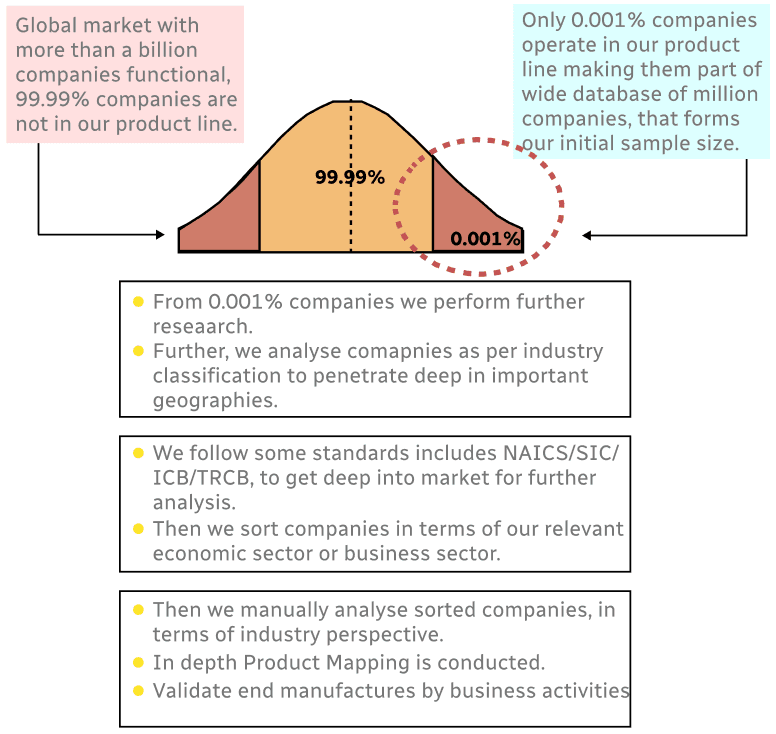
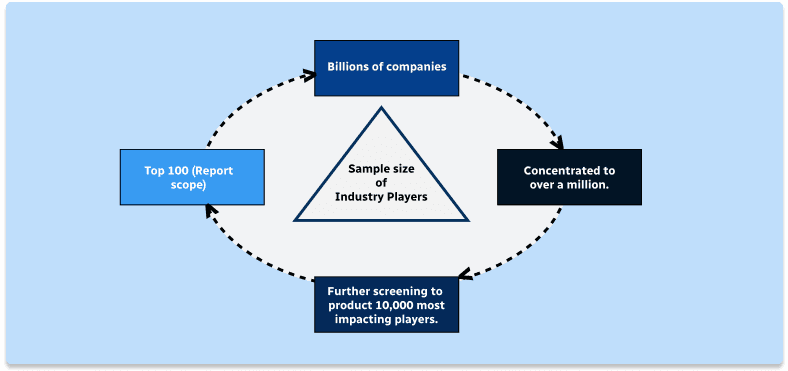
Step 1 - Identification of Relevant Samples Size from Population Database
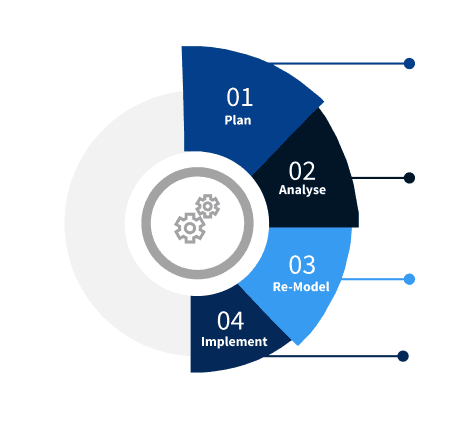
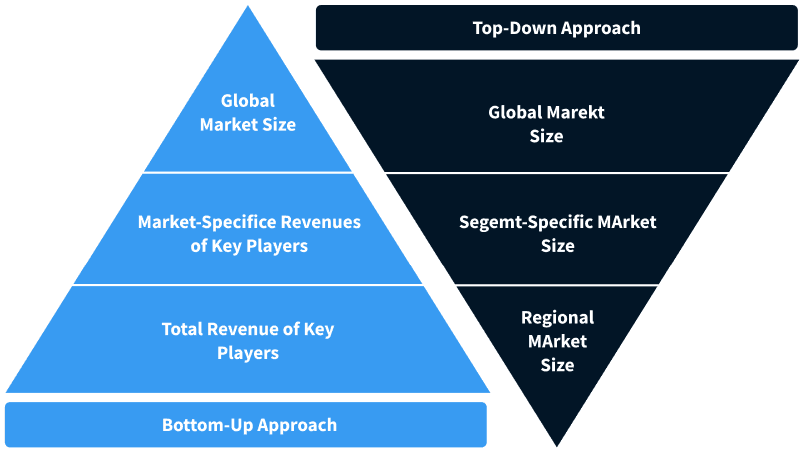
Step 2 - Approaches for Defining Global Market Size (Value, Volume* & Price*)
Note*: In applicable scenarios
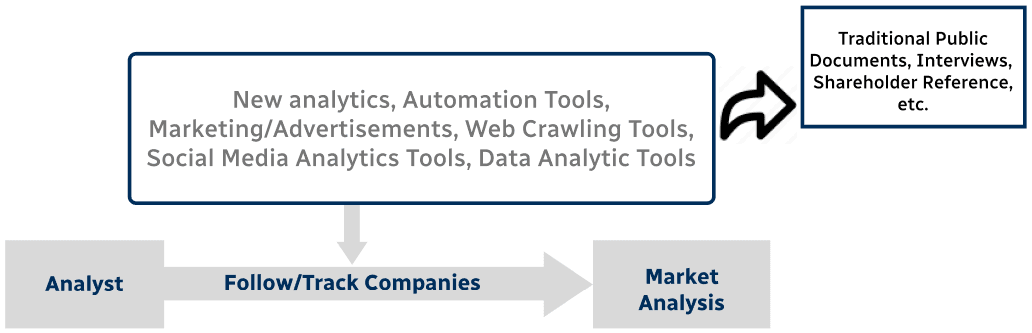
Step 3 - Data Sources
Primary Research
- Web Analytics
- Survey Reports
- Research Institute
- Latest Research Reports
- Opinion Leaders
Secondary Research
- Annual Reports
- White Paper
- Latest Press Release
- Industry Association
- Paid Database
- Investor Presentations
Step 4 - Data Triangulation
Involves using different sources of information in order to increase the validity of a study
These sources are likely to be stakeholders in a program - participants, other researchers, program staff, other community members, and so on.
Then we put all data in single framework & apply various statistical tools to find out the dynamic on the market.
During the analysis stage, feedback from the stakeholder groups would be compared to determine areas of agreement as well as areas of divergence