

Key Insights
The India furniture hardware market, valued at ₹3040 million in 2025, is experiencing robust growth, projected to expand at a Compound Annual Growth Rate (CAGR) of 15.49% from 2025 to 2033. This surge is fueled by several key drivers. The burgeoning Indian real estate sector, particularly residential construction, is a primary catalyst. Increased disposable incomes and a rising middle class are driving demand for higher-quality, aesthetically pleasing furniture, consequently boosting the need for sophisticated hardware components. Furthermore, a shift towards modern, minimalist furniture designs is fueling demand for sleek and functional hardware options like hidden hinges and sophisticated runner systems. The growth is also being propelled by the increasing adoption of online retail channels, making furniture hardware more accessible to consumers nationwide. While supply chain disruptions and potential price fluctuations in raw materials could pose challenges, the long-term outlook remains positive, driven by sustained growth in the construction and furniture industries. Market segmentation reveals significant opportunities within the residential and commercial end-user segments, with B2B channels (real estate developers and contractors) dominating current sales, while B2C channels (retail) are projected to witness accelerated growth in the coming years. The wide range of product types available, including hinges, runner systems, lift systems, and handles, further contributes to market diversification and growth potential.
The competitive landscape is characterized by a blend of established multinational players like Hafele India and Blum India, alongside domestic companies like KAFF and Godrej & Boyce. These companies are engaging in intense competition, focusing on product innovation, branding, and expanding distribution networks to capture market share. The regional distribution shows a relatively even spread across North, South, East, and West India, indicating strong demand throughout the country. Further market penetration will likely involve tapping into untapped rural markets and leveraging digital marketing strategies. Strategic partnerships, mergers and acquisitions, and innovative product development will be crucial for companies to maintain competitiveness and capitalize on the lucrative growth opportunities within this rapidly evolving sector. The market is expected to see continued fragmentation, with smaller players specializing in niche products or regional markets.

India Furniture Hardware Market: A Comprehensive Report (2019-2033)
This insightful report provides a detailed analysis of the India furniture hardware market, offering a comprehensive overview of its current state, future trends, and growth opportunities. With a study period spanning 2019-2033, a base year of 2025, and a forecast period of 2025-2033, this report is an essential resource for stakeholders seeking to understand and capitalize on this dynamic market. The market is estimated to be worth xx Million in 2025.
India Furniture Hardware Market Composition & Trends
The Indian furniture hardware market exhibits a moderately fragmented structure, with several key players competing for market share. Innovation is a crucial driver, with companies continuously introducing new products and technologies to meet evolving consumer demands. The regulatory landscape, while generally supportive of growth, presents certain challenges related to import/export regulations and environmental standards. Substitute products, particularly cheaper, lower-quality alternatives, pose a competitive threat. The end-user profile is diverse, encompassing residential, commercial, and institutional sectors, each with its unique needs and preferences. M&A activity has been relatively moderate in recent years, with deal values ranging from xx Million to xx Million, primarily driven by strategic expansion and market consolidation efforts.
- Market Share Distribution: The top 5 players account for approximately xx% of the market share in 2024.
- M&A Deal Values: Average deal value over the past 5 years is estimated at xx Million.
- Key Innovation Catalysts: Focus on smart home integration, sustainable materials, and enhanced durability.
- Regulatory Landscape: Emphasis on safety standards and environmental compliance.

India Furniture Hardware Market Industry Evolution
The Indian furniture hardware market has witnessed robust growth over the historical period (2019-2024), driven by factors such as rising disposable incomes, increasing urbanization, and a surge in construction activity. The market experienced a Compound Annual Growth Rate (CAGR) of xx% during this period. Technological advancements, including the adoption of automation in manufacturing and the introduction of innovative product designs, have significantly influenced market dynamics. Shifting consumer preferences toward modern and aesthetically pleasing furniture have spurred demand for high-quality hardware components. Growth is projected to continue at a CAGR of xx% during the forecast period (2025-2033), driven by sustained economic growth, government initiatives promoting affordable housing, and expanding e-commerce penetration. Adoption of advanced technologies such as 3D printing and IoT-enabled hardware is expected to further accelerate market expansion.
Leading Regions, Countries, or Segments in India Furniture Hardware Market
The residential segment continues to be the powerhouse of the Indian furniture hardware market. This dominance is intricately linked to the sustained growth of India's middle class, who are increasingly investing in their living spaces. This demographic is actively seeking furniture that not only enhances functionality but also elevates home aesthetics, driving demand for premium and stylish hardware solutions. Within product categories, hinges and runner systems consistently command a significant market share. Their widespread applicability across a vast spectrum of furniture types, from kitchen cabinets and wardrobes to drawers and doors, makes them indispensable. The B2B/Projects distribution channel is a critical revenue driver, with real estate developers and interior contractors acting as key influencers and large-scale procurers, shaping project specifications and material choices.
- Key Drivers for Residential Segment Dominance: Escalating disposable incomes, rapid urbanization, a growing desire for enhanced home aesthetics and smart living solutions, and the increasing adoption of modular furniture.
- Key Drivers for Hinges and Runner Systems: Their universal applicability across diverse furniture designs, ease of integration and installation, and the constant innovation in features like soft-close and push-to-open mechanisms.
- Key Drivers for B2B/Projects Channel: The robust growth in the real estate sector, significant government initiatives in housing development, and the procurement of hardware for large-scale hospitality and commercial projects.
India Furniture Hardware Market Product Innovations
Innovation within the Indian furniture hardware market is rapidly advancing, with a strong emphasis on delivering enhanced functionality, superior durability, and sophisticated aesthetics. A significant trend is the integration of smart technologies, exemplified by smart hinges equipped with advanced sensors, intuitive self-closing mechanisms, and the ever-popular soft-close technology, which significantly elevates user experience and product perception. The industry is also witnessing a shift towards the adoption of novel materials. High-strength alloys and advanced polymers are being increasingly utilized to engineer hardware with improved performance characteristics, such as increased load-bearing capacity and enhanced resistance to wear and corrosion. Concurrently, there's a pronounced focus on developing sustainable and eco-friendly options. Manufacturers are responding to the growing environmental consciousness among consumers and businesses by offering products made from recycled materials, those with lower carbon footprints, and those designed for longevity and recyclability.
Propelling Factors for India Furniture Hardware Market Growth
The Indian furniture hardware market is experiencing robust growth propelled by a confluence of powerful economic and social factors. The expanding middle class, characterized by rising disposable incomes, is a primary driver, leading to increased consumer spending on home improvement and furniture upgrades. Complementing this is the rapid pace of urbanization, which fuels continuous construction and renovation activities, thereby increasing the demand for all types of building and furniture components. Favorable government policies, particularly those aimed at promoting affordable housing and the "Make in India" initiative, are creating a conducive environment for market expansion. Furthermore, the exponential growth of the e-commerce sector has dramatically improved accessibility to a wider range of products for consumers across the country, breaking down geographical barriers. Technological advancements in manufacturing processes are enhancing production efficiency and enabling the creation of more sophisticated and customized product designs, further contributing to market dynamism.
Obstacles in the India Furniture Hardware Market
Challenges facing the market include fluctuating raw material prices, potential supply chain disruptions, intense competition from both domestic and international players, and the prevalence of counterfeit products. Regulatory changes and import/export policies can also impact market dynamics. These factors, if not managed effectively, could potentially hinder market growth.
Future Opportunities in India Furniture Hardware Market
Future opportunities lie in the expansion of the rural market, the growing demand for smart home technology, the increasing adoption of sustainable and eco-friendly materials, and the potential for collaborations between furniture hardware manufacturers and furniture designers. Focus on customized solutions and value-added services will also be key for growth.
Major Players in the India Furniture Hardware Market Ecosystem
- KAFF
- Kich Architectural Products Pvt Ltd
- Denz Enterprise
- FGV (Hindware Home Innovation Limited)
- Godrej & Boyce Manufacturing Company Limited
- Hafele India Private Limited
- Ozone Overseas Pvt Ltd
- Blum India Pvt Ltd
- Dorset Industries Pvt Ltd
- Hettich India Pvt Ltd
- Ebco Private Limited
- ASSA ABLOY
- Hexa Wood Pvt Ltd
- Salice India Pvt Ltd
- Hepo India Pvt Ltd
- GRASS (an Austrian Manufacturer)
- MDF (Manufacturer & Distributor of Furniture)
- HAFELE (GLOBAL BRAND WITH STRONG INDIAN PRESENCE)
- BLUM (GLOBAL BRAND KNOWN FOR INNOVATIVE SOLUTIONS)
- HEWITT (COMPETITIVE PRICING AND WIDE RANGE)
Key Developments in India Furniture Hardware Market Industry
- May 2023: Ozone Overseas secures INR 250 crore funding, boosting domestic manufacturing and international expansion plans.
- March 2024: Blum India launches "Sliker India," expanding its distributor network to 130 cities and over 425 outlets.
Strategic India Furniture Hardware Market Forecast
The Indian furniture hardware market is poised for continued growth, driven by robust economic expansion, increasing urbanization, and a rising middle class with greater purchasing power. Emerging trends like smart home integration and sustainable manufacturing will shape future opportunities. The market is expected to maintain a healthy growth trajectory over the forecast period, presenting significant potential for both established players and new entrants.
India Furniture Hardware Market Segmentation
-
1. Product Type
- 1.1. Hinges
- 1.2. Runner Systems
- 1.3. Lift Systems
- 1.4. Box Systems
- 1.5. Wire Baskets
- 1.6. Sliding Door Systems
- 1.7. Handles, Pulls, and Knobs
- 1.8. Fasteners (Screw, Bolts, Nuts, etc.)
- 1.9. Other Products
-
2. End User
- 2.1. Residential
- 2.2. Commercial
-
3. Distribution Channel
- 3.1. B2B/Proj
- 3.2. B2C/Retail
India Furniture Hardware Market Segmentation By Geography
- 1. India

India Furniture Hardware Market REPORT HIGHLIGHTS
| Aspects | Details |
|---|---|
| Study Period | 2019-2033 |
| Base Year | 2024 |
| Estimated Year | 2025 |
| Forecast Period | 2025-2033 |
| Historical Period | 2019-2024 |
| Growth Rate | CAGR of 15.49% from 2019-2033 |
| Segmentation |
|
Table of Contents
- 1. Introduction
- 1.1. Research Scope
- 1.2. Market Segmentation
- 1.3. Research Methodology
- 1.4. Definitions and Assumptions
- 2. Executive Summary
- 2.1. Introduction
- 3. Market Dynamics
- 3.1. Introduction
- 3.2. Market Drivers
- 3.2.1 Urban Expansion is Fueling Residential Construction
- 3.2.2 Spurring the Need for Furniture and Architectural Hardware; The Growth of Commercial Spaces like Offices and Hotels Bolsters the Demand for Furniture Hardware
- 3.3. Market Restrains
- 3.3.1 The Market's High Sensitivity to Prices is Impacting the Adoption of Premium Hardware Solutions; Ensuring Consistent Quality Across Diverse Products and Suppliers Poses Challenges
- 3.3.2 Impacting Customer Satisfaction and Brand Loyalty
- 3.4. Market Trends
- 3.4.1. Increase in Residential Furniture Hardware is Fuelling the Market
- 4. Market Factor Analysis
- 4.1. Porters Five Forces
- 4.2. Supply/Value Chain
- 4.3. PESTEL analysis
- 4.4. Market Entropy
- 4.5. Patent/Trademark Analysis
- 5. India Furniture Hardware Market Analysis, Insights and Forecast, 2019-2031
- 5.1. Market Analysis, Insights and Forecast - by Product Type
- 5.1.1. Hinges
- 5.1.2. Runner Systems
- 5.1.3. Lift Systems
- 5.1.4. Box Systems
- 5.1.5. Wire Baskets
- 5.1.6. Sliding Door Systems
- 5.1.7. Handles, Pulls, and Knobs
- 5.1.8. Fasteners (Screw, Bolts, Nuts, etc.)
- 5.1.9. Other Products
- 5.2. Market Analysis, Insights and Forecast - by End User
- 5.2.1. Residential
- 5.2.2. Commercial
- 5.3. Market Analysis, Insights and Forecast - by Distribution Channel
- 5.3.1. B2B/Proj
- 5.3.2. B2C/Retail
- 5.4. Market Analysis, Insights and Forecast - by Region
- 5.4.1. India
- 5.1. Market Analysis, Insights and Forecast - by Product Type
- 6. North India India Furniture Hardware Market Analysis, Insights and Forecast, 2019-2031
- 7. South India India Furniture Hardware Market Analysis, Insights and Forecast, 2019-2031
- 8. East India India Furniture Hardware Market Analysis, Insights and Forecast, 2019-2031
- 9. West India India Furniture Hardware Market Analysis, Insights and Forecast, 2019-2031
- 10. Competitive Analysis
- 10.1. Market Share Analysis 2024
- 10.2. Company Profiles
- 10.2.1 KAFF
- 10.2.1.1. Overview
- 10.2.1.2. Products
- 10.2.1.3. SWOT Analysis
- 10.2.1.4. Recent Developments
- 10.2.1.5. Financials (Based on Availability)
- 10.2.2 Kich Architectural Products Pvt Ltd**List Not Exhaustive
- 10.2.2.1. Overview
- 10.2.2.2. Products
- 10.2.2.3. SWOT Analysis
- 10.2.2.4. Recent Developments
- 10.2.2.5. Financials (Based on Availability)
- 10.2.3 Denz Enterprise
- 10.2.3.1. Overview
- 10.2.3.2. Products
- 10.2.3.3. SWOT Analysis
- 10.2.3.4. Recent Developments
- 10.2.3.5. Financials (Based on Availability)
- 10.2.4 FGV (Hindware Home Innovation Limited)
- 10.2.4.1. Overview
- 10.2.4.2. Products
- 10.2.4.3. SWOT Analysis
- 10.2.4.4. Recent Developments
- 10.2.4.5. Financials (Based on Availability)
- 10.2.5 Godrej & Boyce Manufacturing Company Limited
- 10.2.5.1. Overview
- 10.2.5.2. Products
- 10.2.5.3. SWOT Analysis
- 10.2.5.4. Recent Developments
- 10.2.5.5. Financials (Based on Availability)
- 10.2.6 Hafele India Private Limited
- 10.2.6.1. Overview
- 10.2.6.2. Products
- 10.2.6.3. SWOT Analysis
- 10.2.6.4. Recent Developments
- 10.2.6.5. Financials (Based on Availability)
- 10.2.7 Ozone Overseas Pvt Ltd
- 10.2.7.1. Overview
- 10.2.7.2. Products
- 10.2.7.3. SWOT Analysis
- 10.2.7.4. Recent Developments
- 10.2.7.5. Financials (Based on Availability)
- 10.2.8 Blum India Pvt Ltd
- 10.2.8.1. Overview
- 10.2.8.2. Products
- 10.2.8.3. SWOT Analysis
- 10.2.8.4. Recent Developments
- 10.2.8.5. Financials (Based on Availability)
- 10.2.9 Dorset Industries Pvt Ltd
- 10.2.9.1. Overview
- 10.2.9.2. Products
- 10.2.9.3. SWOT Analysis
- 10.2.9.4. Recent Developments
- 10.2.9.5. Financials (Based on Availability)
- 10.2.10 Hettich India Pvt Ltd
- 10.2.10.1. Overview
- 10.2.10.2. Products
- 10.2.10.3. SWOT Analysis
- 10.2.10.4. Recent Developments
- 10.2.10.5. Financials (Based on Availability)
- 10.2.11 Ebco Private Limited
- 10.2.11.1. Overview
- 10.2.11.2. Products
- 10.2.11.3. SWOT Analysis
- 10.2.11.4. Recent Developments
- 10.2.11.5. Financials (Based on Availability)
- 10.2.12 ASSA ABLOY
- 10.2.12.1. Overview
- 10.2.12.2. Products
- 10.2.12.3. SWOT Analysis
- 10.2.12.4. Recent Developments
- 10.2.12.5. Financials (Based on Availability)
- 10.2.13 Hexa Wood Pvt Ltd
- 10.2.13.1. Overview
- 10.2.13.2. Products
- 10.2.13.3. SWOT Analysis
- 10.2.13.4. Recent Developments
- 10.2.13.5. Financials (Based on Availability)
- 10.2.14 Salice India Pvt Ltd
- 10.2.14.1. Overview
- 10.2.14.2. Products
- 10.2.14.3. SWOT Analysis
- 10.2.14.4. Recent Developments
- 10.2.14.5. Financials (Based on Availability)
- 10.2.15 Hepo India Pvt Ltd
- 10.2.15.1. Overview
- 10.2.15.2. Products
- 10.2.15.3. SWOT Analysis
- 10.2.15.4. Recent Developments
- 10.2.15.5. Financials (Based on Availability)
- 10.2.16 GRASS (an Austrian Manufacturer)
- 10.2.16.1. Overview
- 10.2.16.2. Products
- 10.2.16.3. SWOT Analysis
- 10.2.16.4. Recent Developments
- 10.2.16.5. Financials (Based on Availability)
- 10.2.1 KAFF
List of Figures
- Figure 1: India Furniture Hardware Market Revenue Breakdown (Million, %) by Product 2024 & 2032
- Figure 2: India Furniture Hardware Market Share (%) by Company 2024
List of Tables
- Table 1: India Furniture Hardware Market Revenue Million Forecast, by Region 2019 & 2032
- Table 2: India Furniture Hardware Market Volume K Unit Forecast, by Region 2019 & 2032
- Table 3: India Furniture Hardware Market Revenue Million Forecast, by Product Type 2019 & 2032
- Table 4: India Furniture Hardware Market Volume K Unit Forecast, by Product Type 2019 & 2032
- Table 5: India Furniture Hardware Market Revenue Million Forecast, by End User 2019 & 2032
- Table 6: India Furniture Hardware Market Volume K Unit Forecast, by End User 2019 & 2032
- Table 7: India Furniture Hardware Market Revenue Million Forecast, by Distribution Channel 2019 & 2032
- Table 8: India Furniture Hardware Market Volume K Unit Forecast, by Distribution Channel 2019 & 2032
- Table 9: India Furniture Hardware Market Revenue Million Forecast, by Region 2019 & 2032
- Table 10: India Furniture Hardware Market Volume K Unit Forecast, by Region 2019 & 2032
- Table 11: India Furniture Hardware Market Revenue Million Forecast, by Country 2019 & 2032
- Table 12: India Furniture Hardware Market Volume K Unit Forecast, by Country 2019 & 2032
- Table 13: North India India Furniture Hardware Market Revenue (Million) Forecast, by Application 2019 & 2032
- Table 14: North India India Furniture Hardware Market Volume (K Unit) Forecast, by Application 2019 & 2032
- Table 15: South India India Furniture Hardware Market Revenue (Million) Forecast, by Application 2019 & 2032
- Table 16: South India India Furniture Hardware Market Volume (K Unit) Forecast, by Application 2019 & 2032
- Table 17: East India India Furniture Hardware Market Revenue (Million) Forecast, by Application 2019 & 2032
- Table 18: East India India Furniture Hardware Market Volume (K Unit) Forecast, by Application 2019 & 2032
- Table 19: West India India Furniture Hardware Market Revenue (Million) Forecast, by Application 2019 & 2032
- Table 20: West India India Furniture Hardware Market Volume (K Unit) Forecast, by Application 2019 & 2032
- Table 21: India Furniture Hardware Market Revenue Million Forecast, by Product Type 2019 & 2032
- Table 22: India Furniture Hardware Market Volume K Unit Forecast, by Product Type 2019 & 2032
- Table 23: India Furniture Hardware Market Revenue Million Forecast, by End User 2019 & 2032
- Table 24: India Furniture Hardware Market Volume K Unit Forecast, by End User 2019 & 2032
- Table 25: India Furniture Hardware Market Revenue Million Forecast, by Distribution Channel 2019 & 2032
- Table 26: India Furniture Hardware Market Volume K Unit Forecast, by Distribution Channel 2019 & 2032
- Table 27: India Furniture Hardware Market Revenue Million Forecast, by Country 2019 & 2032
- Table 28: India Furniture Hardware Market Volume K Unit Forecast, by Country 2019 & 2032
Frequently Asked Questions
1. What is the projected Compound Annual Growth Rate (CAGR) of the India Furniture Hardware Market?
The projected CAGR is approximately 15.49%.
2. Which companies are prominent players in the India Furniture Hardware Market?
Key companies in the market include KAFF, Kich Architectural Products Pvt Ltd**List Not Exhaustive, Denz Enterprise, FGV (Hindware Home Innovation Limited), Godrej & Boyce Manufacturing Company Limited, Hafele India Private Limited, Ozone Overseas Pvt Ltd, Blum India Pvt Ltd, Dorset Industries Pvt Ltd, Hettich India Pvt Ltd, Ebco Private Limited, ASSA ABLOY, Hexa Wood Pvt Ltd, Salice India Pvt Ltd, Hepo India Pvt Ltd, GRASS (an Austrian Manufacturer).
3. What are the main segments of the India Furniture Hardware Market?
The market segments include Product Type, End User, Distribution Channel.
4. Can you provide details about the market size?
The market size is estimated to be USD 3.04 Million as of 2022.
5. What are some drivers contributing to market growth?
Urban Expansion is Fueling Residential Construction. Spurring the Need for Furniture and Architectural Hardware; The Growth of Commercial Spaces like Offices and Hotels Bolsters the Demand for Furniture Hardware.
6. What are the notable trends driving market growth?
Increase in Residential Furniture Hardware is Fuelling the Market.
7. Are there any restraints impacting market growth?
The Market's High Sensitivity to Prices is Impacting the Adoption of Premium Hardware Solutions; Ensuring Consistent Quality Across Diverse Products and Suppliers Poses Challenges. Impacting Customer Satisfaction and Brand Loyalty.
8. Can you provide examples of recent developments in the market?
March 2024: Blum, an esteemed Austrian furniture fittings manufacturer, unveiled its latest distributor showroom, "Sliker India," in Jodhpur. This move further solidifies Blum India's extensive network, spanning 130 cities and boasting over 425 outlets nationwide.
9. What pricing options are available for accessing the report?
Pricing options include single-user, multi-user, and enterprise licenses priced at USD 3800, USD 4500, and USD 5800 respectively.
10. Is the market size provided in terms of value or volume?
The market size is provided in terms of value, measured in Million and volume, measured in K Unit.
11. Are there any specific market keywords associated with the report?
Yes, the market keyword associated with the report is "India Furniture Hardware Market," which aids in identifying and referencing the specific market segment covered.
12. How do I determine which pricing option suits my needs best?
The pricing options vary based on user requirements and access needs. Individual users may opt for single-user licenses, while businesses requiring broader access may choose multi-user or enterprise licenses for cost-effective access to the report.
13. Are there any additional resources or data provided in the India Furniture Hardware Market report?
While the report offers comprehensive insights, it's advisable to review the specific contents or supplementary materials provided to ascertain if additional resources or data are available.
14. How can I stay updated on further developments or reports in the India Furniture Hardware Market?
To stay informed about further developments, trends, and reports in the India Furniture Hardware Market, consider subscribing to industry newsletters, following relevant companies and organizations, or regularly checking reputable industry news sources and publications.
Methodology
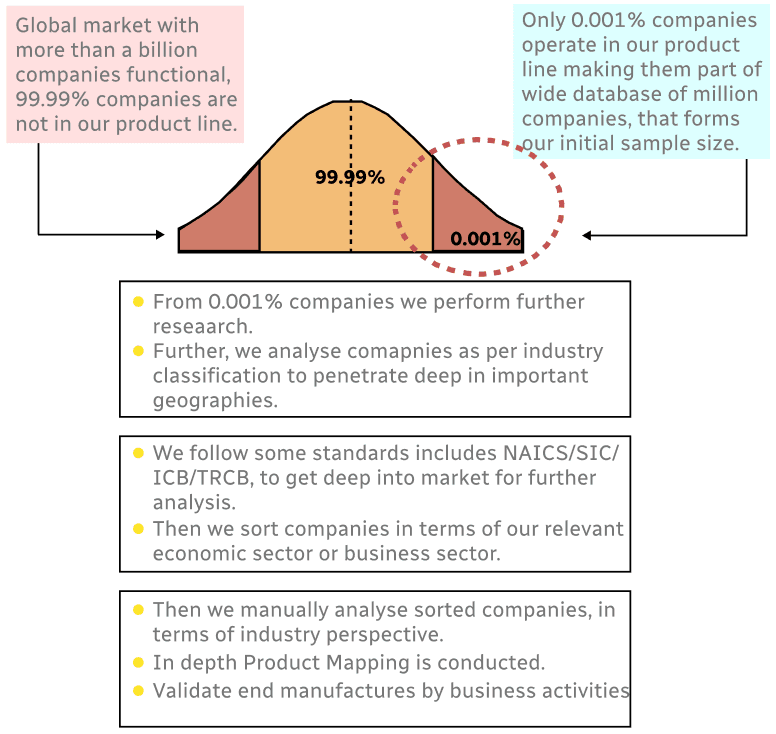
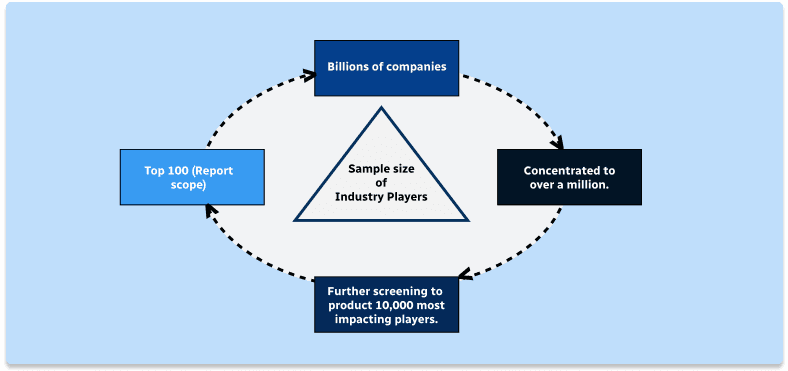
Step 1 - Identification of Relevant Samples Size from Population Database
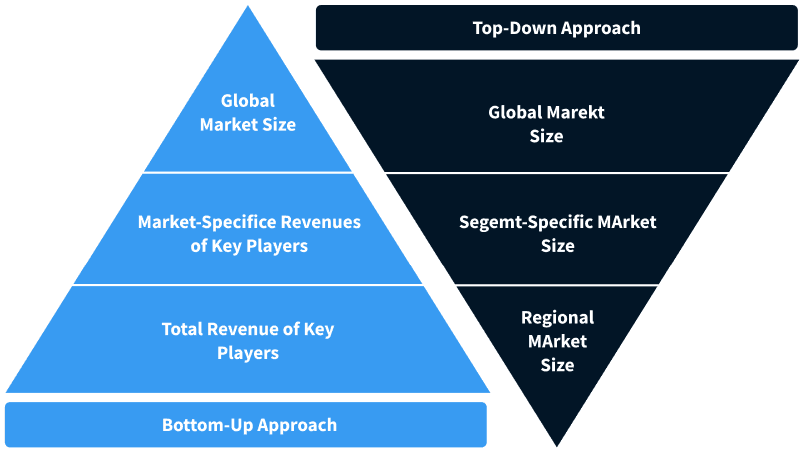
Step 2 - Approaches for Defining Global Market Size (Value, Volume* & Price*)
Note*: In applicable scenarios
Step 3 - Data Sources
Primary Research
- Web Analytics
- Survey Reports
- Research Institute
- Latest Research Reports
- Opinion Leaders
Secondary Research
- Annual Reports
- White Paper
- Latest Press Release
- Industry Association
- Paid Database
- Investor Presentations
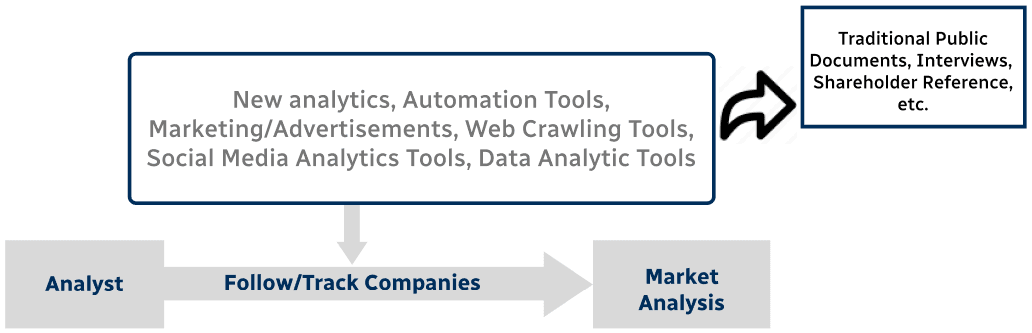
Step 4 - Data Triangulation
Involves using different sources of information in order to increase the validity of a study
These sources are likely to be stakeholders in a program - participants, other researchers, program staff, other community members, and so on.
Then we put all data in single framework & apply various statistical tools to find out the dynamic on the market.
During the analysis stage, feedback from the stakeholder groups would be compared to determine areas of agreement as well as areas of divergence