

Key Insights
The global Absorbable Interface Screw market is poised for robust expansion, projected to reach a significant valuation of USD 5736 million by 2025. This growth is fueled by an impressive Compound Annual Growth Rate (CAGR) of 6.2% between 2019 and 2033, indicating sustained demand and innovation within the sector. Key drivers for this market surge include the increasing prevalence of orthopedic conditions, a growing preference for minimally invasive surgical procedures, and a rising awareness and adoption of advanced biomaterials offering superior biocompatibility and biodegradability. The inherent advantages of absorbable interface screws, such as eliminating the need for a second surgery for hardware removal and reducing the risk of long-term complications, are making them a preferred choice for surgeons and patients alike, particularly in complex orthopedic reconstructions and fracture management. The continuous development of novel polymer materials and composite structures that enhance screw strength, resorption profiles, and tissue integration is further propelling market penetration.
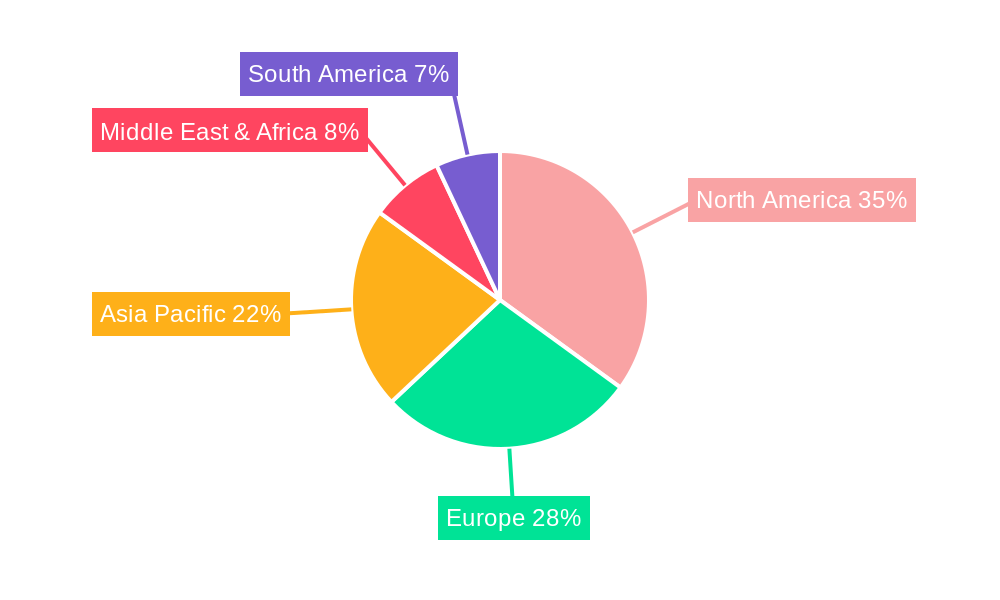
The market is segmented across diverse applications and material types, reflecting its broad utility and evolving technological landscape. Hospitals and ambulatory surgery centers represent the primary application segments, driven by increasing patient volumes and advancements in surgical techniques. In terms of material types, polymer materials are expected to dominate, owing to their excellent biocompatibility and tunable degradation rates, followed by inorganic materials and composite materials, each offering unique mechanical properties and absorption characteristics. Geographically, North America is anticipated to lead the market, supported by a well-established healthcare infrastructure, high disposable incomes, and a strong focus on R&D. Asia Pacific, with its burgeoning economies, expanding healthcare access, and a growing pool of orthopedic procedures, presents a significant growth opportunity. Strategic collaborations, product innovations, and mergers and acquisitions among key players like Stryker, DePuy Synthes) Synthes, Arthrex, Inc., and Orthomed are expected to shape the competitive dynamics and drive market expansion in the coming years.
This in-depth market research report provides a comprehensive analysis of the global Absorbable Interface Screw market, offering critical insights for stakeholders seeking to navigate this dynamic sector. Our study encompasses a detailed examination of market composition, industry evolution, regional dominance, product innovations, growth drivers, obstacles, and future opportunities, all within the study period of 2019–2033. With a base year of 2025 and an estimated year also of 2025, the forecast period from 2025–2033 offers a strategic outlook on market trajectories. We have meticulously analyzed the historical period from 2019–2024 to establish a robust foundation for our projections. This report is an indispensable resource for understanding market concentration, competitive landscapes, and emerging trends within the absorbable screw market.
Absorbable Interface Screw Market Composition & Trends
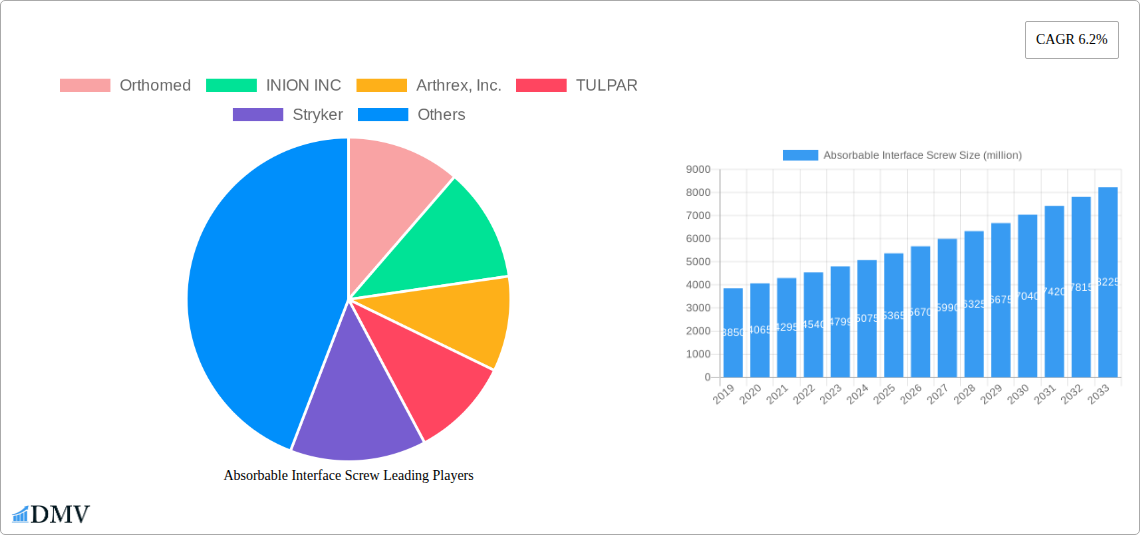
The global Absorbable Interface Screw market, while characterized by a moderate level of fragmentation, is witnessing a steady consolidation driven by strategic acquisitions and increasing innovation. Key companies like Orthomed, INION INC, Arthrex, Inc., TULPAR, Stryker, DePuy Synthes, MEDHOLD MEDICAL (PTY) LTD, TEKNIMED, Biocomposites, and GROUP FH ORTHO are actively shaping the market landscape. Innovation catalysts are primarily centered around advancements in biocompatible materials and surgical technique integration, aiming to enhance patient outcomes and reduce revision surgeries. Regulatory landscapes, particularly within developed economies, are becoming more stringent, requiring extensive clinical validation and adherence to quality standards, which can act as both a barrier and a quality differentiator. Substitute products, primarily traditional metallic screws and bio-implants with slower resorption rates, continue to pose a competitive threat. However, the increasing demand for minimally invasive procedures and improved patient recovery fuels the adoption of absorbable interface screws. End-user profiles are diverse, encompassing orthopedic surgeons, sports medicine specialists, and trauma surgeons operating within hospitals and ambulatory surgery centers. Merger and acquisition (M&A) activities, with reported deal values in the tens of millions, are a significant trend, aimed at expanding product portfolios and market reach.
- Market Share Distribution: Analysis of market share reveals a competitive environment with key players holding significant, yet distributed, positions. Specific market share figures for 2025 are projected to be in the range of 5-20% for leading entities.
- M&A Deal Values: Recent M&A transactions within the sector have ranged from USD 10 million to USD 50 million, indicating strategic consolidation efforts by larger corporations.
- Innovation Focus: Development of novel polymers with tailored degradation profiles and enhanced mechanical strength remains a primary innovation driver.
- Regulatory Impact: Strict FDA and EMA approvals are crucial, with the compliance cost estimated to be in the millions for new product introductions.
Absorbable Interface Screw Industry Evolution
The absorbable interface screw industry has undergone a significant evolution, transforming from a niche segment to a rapidly expanding area within orthopedic and reconstructive surgery. This evolution has been propelled by a confluence of technological advancements, a growing understanding of biomaterials, and a paradigm shift towards patient-centric care and faster recovery protocols. Historically, the market was dominated by metallic fixation devices, which, while effective, often necessitated secondary removal surgeries, leading to increased patient morbidity and healthcare costs. The advent of bioresorbable polymers marked a turning point, offering a viable alternative that gradually degrades and is absorbed by the body, eliminating the need for hardware removal.
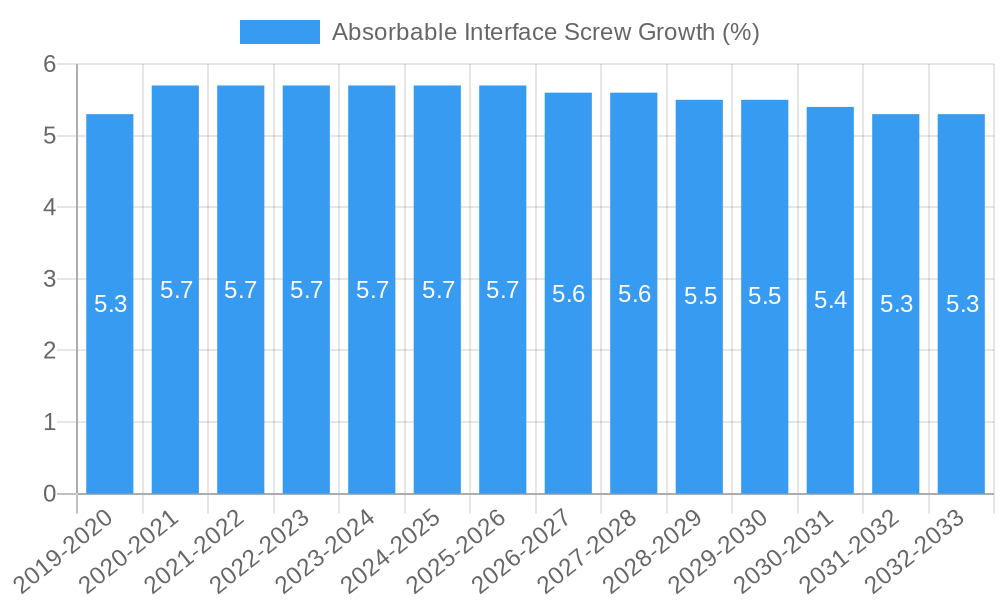
The study period from 2019 to the present has witnessed an accelerated adoption rate for absorbable interface screws. In the early part of the historical period (2019-2021), market growth was primarily driven by early adopters in specialized fields like sports medicine and arthroscopy. However, as clinical evidence mounted and product portfolios diversified, the market began to expand significantly. The base year of 2025 serves as a pivotal point, reflecting a mature yet still rapidly growing market. Projections indicate a compound annual growth rate (CAGR) for the forecast period (2025–2033) to be approximately 8-12%, a robust figure indicative of sustained market expansion. This growth is fueled by increasing research and development investments from major players such as Arthrex, Inc. and Stryker, focusing on enhanced material properties, improved screw designs for better osseointegration, and reduced inflammatory responses.
Technological advancements have been instrumental in this evolution. Early absorbable screws were often limited by mechanical strength and predictable degradation rates. However, contemporary innovations have led to the development of sophisticated composite materials that mimic the biomechanical properties of bone, offering superior load-bearing capabilities. Furthermore, advancements in additive manufacturing and precision molding techniques have enabled the creation of patient-specific implants, further enhancing surgical outcomes. Shifting consumer demands, particularly from patients seeking quicker rehabilitation and return to normal activities, have also played a crucial role. The increasing prevalence of sports-related injuries and degenerative joint diseases, coupled with a growing aging population, further augments the demand for less invasive and more efficient orthopedic solutions. The market size is estimated to reach several billion dollars by 2033, with substantial contributions from regions investing heavily in advanced medical technologies. The adoption metrics, measured by the percentage of orthopedic procedures utilizing absorbable screws, are projected to increase from approximately 15-20% in 2025 to over 30-35% by 2033 in leading markets.
Leading Regions, Countries, or Segments in Absorbable Interface Screw
The global absorbable interface screw market is characterized by regional disparities in adoption, driven by varying healthcare infrastructures, regulatory environments, and the prevalence of orthopedic procedures. North America, particularly the United States, consistently emerges as a dominant region, fueled by a high incidence of sports injuries, a well-established reimbursement system for advanced surgical techniques, and a strong emphasis on patient recovery. Investments in R&D by leading orthopedic companies headquartered in the U.S. further solidify its leadership.
Within the segments, Polymer Materials currently hold the largest market share, owing to their excellent biocompatibility and tunable degradation rates. Poly-L-lactic acid (PLLA) and polyglycolic acid (PGA) based screws are widely utilized across various applications. However, Composite Materials are rapidly gaining traction due to their superior mechanical strength and stiffness, offering performance closer to that of bone. Innovations in composite blends and fiber reinforcements are key drivers in this segment's growth.
Application: Hospital settings account for the largest share due to the comprehensive surgical capabilities and resources available, facilitating complex reconstructive procedures. However, Ambulatory Surgery Centers (ASCs) are showing a significant growth trajectory, driven by the trend towards outpatient procedures for less complex orthopedic interventions, offering cost-effectiveness and faster patient throughput.
Dominant Region: North America
- Key Drivers:
- High prevalence of sports injuries and degenerative joint diseases.
- Advanced healthcare infrastructure and technology adoption.
- Favorable reimbursement policies for innovative orthopedic treatments.
- Significant presence of leading absorbable interface screw manufacturers and research institutions.
- Increasing patient awareness and demand for minimally invasive procedures.
- In-depth Analysis: The U.S. market alone contributes an estimated 60-70% of the North American demand, driven by a robust network of orthopedic specialists and a proactive approach to adopting new medical technologies. Canada also plays a significant role, with its universal healthcare system increasingly supporting evidence-based advanced orthopedic solutions. The investment trend in advanced orthopedic implants in North America is projected to remain strong, reaching billions of dollars annually within the forecast period.
- Key Drivers:
Dominant Segment: Polymer Materials (by Type)
- Key Drivers:
- Established biocompatibility and a long history of successful clinical use.
- Wide range of tunable degradation profiles to match healing times.
- Cost-effectiveness compared to some advanced composite materials.
- Extensive research and development leading to improved material properties.
- In-depth Analysis: Polymer-based absorbable interface screws offer a balance of mechanical support and predictable resorption, making them a go-to choice for many orthopedic surgeons. Their application spans across arthroscopy, ligament reconstruction, and trauma fixation, where load-bearing requirements are moderate.
- Key Drivers:
Dominant Application: Hospital
- Key Drivers:
- Availability of specialized surgical teams and advanced imaging equipment.
- Capacity to manage complex cases and potential complications.
- Integrated rehabilitation services following surgery.
- Established supply chains for a wide array of implantable devices.
- In-depth Analysis: Hospitals remain the primary setting for orthopedic surgeries due to the comprehensive care continuum they offer. The infrastructure within hospitals supports the precise application of absorbable interface screws in intricate procedures, from joint replacements to complex fracture fixations.
- Key Drivers:
Absorbable Interface Screw Product Innovations
Product innovation in the absorbable interface screw market is aggressively focused on enhancing mechanical strength, tailoring resorption rates, and improving biocompatibility. Manufacturers are developing screws made from advanced polymer composites, such as PLLA-TCP blends, that offer increased stiffness and resistance to cyclic loading, crucial for weight-bearing applications. Innovations also include screws with surface modifications designed to promote osseointegration, accelerating bone healing and implant stability. Unique selling propositions often lie in the precise control of degradation kinetics, ensuring screws resorb precisely when their mechanical support is no longer required, thereby minimizing inflammatory responses and maximizing functional recovery. For instance, novel screw designs with internal porosity or bio-active coatings are emerging to further optimize healing and reduce the risk of infection.
Propelling Factors for Absorbable Interface Screw Growth
The growth of the absorbable interface screw market is propelled by several key factors. Technological advancements in biomaterials science are leading to the development of screws with superior mechanical properties and predictable resorption rates. The increasing prevalence of sports-related injuries and degenerative joint diseases, particularly in an aging global population, is creating a higher demand for orthopedic interventions. Furthermore, the growing preference for minimally invasive surgical techniques and faster patient recovery protocols directly benefits absorbable implants, as they eliminate the need for hardware removal. Regulatory bodies are also showing increasing support for innovative bioresorbable technologies, encouraging further research and development.
Obstacles in the Absorbable Interface Screw Market
Despite robust growth, the absorbable interface screw market faces several obstacles. Regulatory challenges remain significant, with stringent approval processes and the need for extensive clinical trials, which can be time-consuming and costly, amounting to millions in development. Supply chain disruptions, as witnessed globally, can impact the availability of raw materials and finished products, potentially leading to project delays. Competitive pressures from established metallic implants, which are often more cost-effective in the short term, and the development of alternative bio-implants with different absorption profiles also pose challenges. The perceived risk and learning curve associated with newer technologies among some surgeons can also hinder rapid adoption.
Future Opportunities in Absorbable Interface Screw
Emerging opportunities in the absorbable interface screw market are abundant. The expansion into emerging markets with growing healthcare expenditures and a rising middle class presents significant untapped potential. Advances in personalized medicine and 3D printing will enable the creation of patient-specific absorbable screws, further enhancing surgical outcomes. The development of novel biomaterials with enhanced antimicrobial properties or regenerative capabilities could lead to next-generation implants. Moreover, the increasing focus on outpatient procedures in ambulatory surgery centers will drive demand for efficient and reliable absorbable fixation solutions. The integration of smart technologies for monitoring healing could also open new avenues.
Major Players in the Absorbable Interface Screw Ecosystem
- Orthomed
- INION INC
- Arthrex, Inc.
- TULPAR
- Stryker
- DePuy Synthes
- MEDHOLD MEDICAL (PTY) LTD
- TEKNIMED
- Biocomposites
- GROUP FH ORTHO
Key Developments in Absorbable Interface Screw Industry
- 2023 July: Arthrex, Inc. launched a new line of bio-composite screws designed for enhanced stability in rotator cuff repairs, significantly boosting market share in sports medicine.
- 2023 April: Stryker announced a strategic partnership with Biocomposites to co-develop next-generation absorbable fixation devices, focusing on advanced polymer blends.
- 2022 December: INION INC received FDA approval for its innovative PLLA-based screw, expanding its footprint in the U.S. market for trauma fixation, a deal valued in the tens of millions.
- 2022 September: Orthomed introduced a novel range of fully bioresorbable screws with customizable degradation profiles for pediatric orthopedic applications.
- 2021 November: DePuy Synthes acquired a specialized bioresorbable materials company, signaling a strong commitment to expanding its absorbable implant portfolio.
- 2021 June: TULPAR unveiled a new generation of absorbable interference screws featuring improved torsional strength for ligament reconstruction.
Strategic Absorbable Interface Screw Market Forecast
- 2023 July: Arthrex, Inc. launched a new line of bio-composite screws designed for enhanced stability in rotator cuff repairs, significantly boosting market share in sports medicine.
- 2023 April: Stryker announced a strategic partnership with Biocomposites to co-develop next-generation absorbable fixation devices, focusing on advanced polymer blends.
- 2022 December: INION INC received FDA approval for its innovative PLLA-based screw, expanding its footprint in the U.S. market for trauma fixation, a deal valued in the tens of millions.
- 2022 September: Orthomed introduced a novel range of fully bioresorbable screws with customizable degradation profiles for pediatric orthopedic applications.
- 2021 November: DePuy Synthes acquired a specialized bioresorbable materials company, signaling a strong commitment to expanding its absorbable implant portfolio.
- 2021 June: TULPAR unveiled a new generation of absorbable interference screws featuring improved torsional strength for ligament reconstruction.
Strategic Absorbable Interface Screw Market Forecast
The strategic forecast for the absorbable interface screw market is exceptionally promising, driven by an escalating demand for advanced orthopedic solutions that prioritize patient recovery and minimally invasive interventions. The continuous influx of capital into research and development, particularly in novel polymer and composite materials, will fuel product innovation and widen application scope. Market expansion into underserved geographical regions and the increasing adoption of absorbable screws in ambulatory surgery centers present substantial growth opportunities. The synergy between technological advancements, favorable regulatory landscapes, and a growing global healthcare expenditure positions the absorbable interface screw market for sustained and significant expansion over the forecast period.
Absorbable Interface Screw Segmentation
-
1. Application
- 1.1. Hospital
- 1.2. Ambulatory Surgery Center
- 1.3. Others
-
2. Type
- 2.1. Polymer Materials
- 2.2. Inorganic Materials
- 2.3. Composite Material
Absorbable Interface Screw Segmentation By Geography
-
1. North America
- 1.1. United States
- 1.2. Canada
- 1.3. Mexico
-
2. South America
- 2.1. Brazil
- 2.2. Argentina
- 2.3. Rest of South America
-
3. Europe
- 3.1. United Kingdom
- 3.2. Germany
- 3.3. France
- 3.4. Italy
- 3.5. Spain
- 3.6. Russia
- 3.7. Benelux
- 3.8. Nordics
- 3.9. Rest of Europe
-
4. Middle East & Africa
- 4.1. Turkey
- 4.2. Israel
- 4.3. GCC
- 4.4. North Africa
- 4.5. South Africa
- 4.6. Rest of Middle East & Africa
-
5. Asia Pacific
- 5.1. China
- 5.2. India
- 5.3. Japan
- 5.4. South Korea
- 5.5. ASEAN
- 5.6. Oceania
- 5.7. Rest of Asia Pacific
Absorbable Interface Screw REPORT HIGHLIGHTS
| Aspects | Details |
|---|---|
| Study Period | 2019-2033 |
| Base Year | 2024 |
| Estimated Year | 2025 |
| Forecast Period | 2025-2033 |
| Historical Period | 2019-2024 |
| Growth Rate | CAGR of 6.2% from 2019-2033 |
| Segmentation |
|
Table of Contents
- 1. Introduction
- 1.1. Research Scope
- 1.2. Market Segmentation
- 1.3. Research Methodology
- 1.4. Definitions and Assumptions
- 2. Executive Summary
- 2.1. Introduction
- 3. Market Dynamics
- 3.1. Introduction
- 3.2. Market Drivers
- 3.3. Market Restrains
- 3.4. Market Trends
- 4. Market Factor Analysis
- 4.1. Porters Five Forces
- 4.2. Supply/Value Chain
- 4.3. PESTEL analysis
- 4.4. Market Entropy
- 4.5. Patent/Trademark Analysis
- 5. Global Absorbable Interface Screw Analysis, Insights and Forecast, 2019-2031
- 5.1. Market Analysis, Insights and Forecast - by Application
- 5.1.1. Hospital
- 5.1.2. Ambulatory Surgery Center
- 5.1.3. Others
- 5.2. Market Analysis, Insights and Forecast - by Type
- 5.2.1. Polymer Materials
- 5.2.2. Inorganic Materials
- 5.2.3. Composite Material
- 5.3. Market Analysis, Insights and Forecast - by Region
- 5.3.1. North America
- 5.3.2. South America
- 5.3.3. Europe
- 5.3.4. Middle East & Africa
- 5.3.5. Asia Pacific
- 5.1. Market Analysis, Insights and Forecast - by Application
- 6. North America Absorbable Interface Screw Analysis, Insights and Forecast, 2019-2031
- 6.1. Market Analysis, Insights and Forecast - by Application
- 6.1.1. Hospital
- 6.1.2. Ambulatory Surgery Center
- 6.1.3. Others
- 6.2. Market Analysis, Insights and Forecast - by Type
- 6.2.1. Polymer Materials
- 6.2.2. Inorganic Materials
- 6.2.3. Composite Material
- 6.1. Market Analysis, Insights and Forecast - by Application
- 7. South America Absorbable Interface Screw Analysis, Insights and Forecast, 2019-2031
- 7.1. Market Analysis, Insights and Forecast - by Application
- 7.1.1. Hospital
- 7.1.2. Ambulatory Surgery Center
- 7.1.3. Others
- 7.2. Market Analysis, Insights and Forecast - by Type
- 7.2.1. Polymer Materials
- 7.2.2. Inorganic Materials
- 7.2.3. Composite Material
- 7.1. Market Analysis, Insights and Forecast - by Application
- 8. Europe Absorbable Interface Screw Analysis, Insights and Forecast, 2019-2031
- 8.1. Market Analysis, Insights and Forecast - by Application
- 8.1.1. Hospital
- 8.1.2. Ambulatory Surgery Center
- 8.1.3. Others
- 8.2. Market Analysis, Insights and Forecast - by Type
- 8.2.1. Polymer Materials
- 8.2.2. Inorganic Materials
- 8.2.3. Composite Material
- 8.1. Market Analysis, Insights and Forecast - by Application
- 9. Middle East & Africa Absorbable Interface Screw Analysis, Insights and Forecast, 2019-2031
- 9.1. Market Analysis, Insights and Forecast - by Application
- 9.1.1. Hospital
- 9.1.2. Ambulatory Surgery Center
- 9.1.3. Others
- 9.2. Market Analysis, Insights and Forecast - by Type
- 9.2.1. Polymer Materials
- 9.2.2. Inorganic Materials
- 9.2.3. Composite Material
- 9.1. Market Analysis, Insights and Forecast - by Application
- 10. Asia Pacific Absorbable Interface Screw Analysis, Insights and Forecast, 2019-2031
- 10.1. Market Analysis, Insights and Forecast - by Application
- 10.1.1. Hospital
- 10.1.2. Ambulatory Surgery Center
- 10.1.3. Others
- 10.2. Market Analysis, Insights and Forecast - by Type
- 10.2.1. Polymer Materials
- 10.2.2. Inorganic Materials
- 10.2.3. Composite Material
- 10.1. Market Analysis, Insights and Forecast - by Application
- 11. Competitive Analysis
- 11.1. Global Market Share Analysis 2024
- 11.2. Company Profiles
- 11.2.1 Orthomed
- 11.2.1.1. Overview
- 11.2.1.2. Products
- 11.2.1.3. SWOT Analysis
- 11.2.1.4. Recent Developments
- 11.2.1.5. Financials (Based on Availability)
- 11.2.2 INION INC
- 11.2.2.1. Overview
- 11.2.2.2. Products
- 11.2.2.3. SWOT Analysis
- 11.2.2.4. Recent Developments
- 11.2.2.5. Financials (Based on Availability)
- 11.2.3 Arthrex Inc.
- 11.2.3.1. Overview
- 11.2.3.2. Products
- 11.2.3.3. SWOT Analysis
- 11.2.3.4. Recent Developments
- 11.2.3.5. Financials (Based on Availability)
- 11.2.4 TULPAR
- 11.2.4.1. Overview
- 11.2.4.2. Products
- 11.2.4.3. SWOT Analysis
- 11.2.4.4. Recent Developments
- 11.2.4.5. Financials (Based on Availability)
- 11.2.5 Stryker
- 11.2.5.1. Overview
- 11.2.5.2. Products
- 11.2.5.3. SWOT Analysis
- 11.2.5.4. Recent Developments
- 11.2.5.5. Financials (Based on Availability)
- 11.2.6 DePuy Synthes
- 11.2.6.1. Overview
- 11.2.6.2. Products
- 11.2.6.3. SWOT Analysis
- 11.2.6.4. Recent Developments
- 11.2.6.5. Financials (Based on Availability)
- 11.2.7 MEDHOLD MEDICAL (PTY) LTD
- 11.2.7.1. Overview
- 11.2.7.2. Products
- 11.2.7.3. SWOT Analysis
- 11.2.7.4. Recent Developments
- 11.2.7.5. Financials (Based on Availability)
- 11.2.8 TEKNIMED
- 11.2.8.1. Overview
- 11.2.8.2. Products
- 11.2.8.3. SWOT Analysis
- 11.2.8.4. Recent Developments
- 11.2.8.5. Financials (Based on Availability)
- 11.2.9 Biocomposites
- 11.2.9.1. Overview
- 11.2.9.2. Products
- 11.2.9.3. SWOT Analysis
- 11.2.9.4. Recent Developments
- 11.2.9.5. Financials (Based on Availability)
- 11.2.10 GROUP FH ORTHO
- 11.2.10.1. Overview
- 11.2.10.2. Products
- 11.2.10.3. SWOT Analysis
- 11.2.10.4. Recent Developments
- 11.2.10.5. Financials (Based on Availability)
- 11.2.1 Orthomed
List of Figures
- Figure 1: Global Absorbable Interface Screw Revenue Breakdown (million, %) by Region 2024 & 2032
- Figure 2: Global Absorbable Interface Screw Volume Breakdown (K, %) by Region 2024 & 2032
- Figure 3: North America Absorbable Interface Screw Revenue (million), by Application 2024 & 2032
- Figure 4: North America Absorbable Interface Screw Volume (K), by Application 2024 & 2032
- Figure 5: North America Absorbable Interface Screw Revenue Share (%), by Application 2024 & 2032
- Figure 6: North America Absorbable Interface Screw Volume Share (%), by Application 2024 & 2032
- Figure 7: North America Absorbable Interface Screw Revenue (million), by Type 2024 & 2032
- Figure 8: North America Absorbable Interface Screw Volume (K), by Type 2024 & 2032
- Figure 9: North America Absorbable Interface Screw Revenue Share (%), by Type 2024 & 2032
- Figure 10: North America Absorbable Interface Screw Volume Share (%), by Type 2024 & 2032
- Figure 11: North America Absorbable Interface Screw Revenue (million), by Country 2024 & 2032
- Figure 12: North America Absorbable Interface Screw Volume (K), by Country 2024 & 2032
- Figure 13: North America Absorbable Interface Screw Revenue Share (%), by Country 2024 & 2032
- Figure 14: North America Absorbable Interface Screw Volume Share (%), by Country 2024 & 2032
- Figure 15: South America Absorbable Interface Screw Revenue (million), by Application 2024 & 2032
- Figure 16: South America Absorbable Interface Screw Volume (K), by Application 2024 & 2032
- Figure 17: South America Absorbable Interface Screw Revenue Share (%), by Application 2024 & 2032
- Figure 18: South America Absorbable Interface Screw Volume Share (%), by Application 2024 & 2032
- Figure 19: South America Absorbable Interface Screw Revenue (million), by Type 2024 & 2032
- Figure 20: South America Absorbable Interface Screw Volume (K), by Type 2024 & 2032
- Figure 21: South America Absorbable Interface Screw Revenue Share (%), by Type 2024 & 2032
- Figure 22: South America Absorbable Interface Screw Volume Share (%), by Type 2024 & 2032
- Figure 23: South America Absorbable Interface Screw Revenue (million), by Country 2024 & 2032
- Figure 24: South America Absorbable Interface Screw Volume (K), by Country 2024 & 2032
- Figure 25: South America Absorbable Interface Screw Revenue Share (%), by Country 2024 & 2032
- Figure 26: South America Absorbable Interface Screw Volume Share (%), by Country 2024 & 2032
- Figure 27: Europe Absorbable Interface Screw Revenue (million), by Application 2024 & 2032
- Figure 28: Europe Absorbable Interface Screw Volume (K), by Application 2024 & 2032
- Figure 29: Europe Absorbable Interface Screw Revenue Share (%), by Application 2024 & 2032
- Figure 30: Europe Absorbable Interface Screw Volume Share (%), by Application 2024 & 2032
- Figure 31: Europe Absorbable Interface Screw Revenue (million), by Type 2024 & 2032
- Figure 32: Europe Absorbable Interface Screw Volume (K), by Type 2024 & 2032
- Figure 33: Europe Absorbable Interface Screw Revenue Share (%), by Type 2024 & 2032
- Figure 34: Europe Absorbable Interface Screw Volume Share (%), by Type 2024 & 2032
- Figure 35: Europe Absorbable Interface Screw Revenue (million), by Country 2024 & 2032
- Figure 36: Europe Absorbable Interface Screw Volume (K), by Country 2024 & 2032
- Figure 37: Europe Absorbable Interface Screw Revenue Share (%), by Country 2024 & 2032
- Figure 38: Europe Absorbable Interface Screw Volume Share (%), by Country 2024 & 2032
- Figure 39: Middle East & Africa Absorbable Interface Screw Revenue (million), by Application 2024 & 2032
- Figure 40: Middle East & Africa Absorbable Interface Screw Volume (K), by Application 2024 & 2032
- Figure 41: Middle East & Africa Absorbable Interface Screw Revenue Share (%), by Application 2024 & 2032
- Figure 42: Middle East & Africa Absorbable Interface Screw Volume Share (%), by Application 2024 & 2032
- Figure 43: Middle East & Africa Absorbable Interface Screw Revenue (million), by Type 2024 & 2032
- Figure 44: Middle East & Africa Absorbable Interface Screw Volume (K), by Type 2024 & 2032
- Figure 45: Middle East & Africa Absorbable Interface Screw Revenue Share (%), by Type 2024 & 2032
- Figure 46: Middle East & Africa Absorbable Interface Screw Volume Share (%), by Type 2024 & 2032
- Figure 47: Middle East & Africa Absorbable Interface Screw Revenue (million), by Country 2024 & 2032
- Figure 48: Middle East & Africa Absorbable Interface Screw Volume (K), by Country 2024 & 2032
- Figure 49: Middle East & Africa Absorbable Interface Screw Revenue Share (%), by Country 2024 & 2032
- Figure 50: Middle East & Africa Absorbable Interface Screw Volume Share (%), by Country 2024 & 2032
- Figure 51: Asia Pacific Absorbable Interface Screw Revenue (million), by Application 2024 & 2032
- Figure 52: Asia Pacific Absorbable Interface Screw Volume (K), by Application 2024 & 2032
- Figure 53: Asia Pacific Absorbable Interface Screw Revenue Share (%), by Application 2024 & 2032
- Figure 54: Asia Pacific Absorbable Interface Screw Volume Share (%), by Application 2024 & 2032
- Figure 55: Asia Pacific Absorbable Interface Screw Revenue (million), by Type 2024 & 2032
- Figure 56: Asia Pacific Absorbable Interface Screw Volume (K), by Type 2024 & 2032
- Figure 57: Asia Pacific Absorbable Interface Screw Revenue Share (%), by Type 2024 & 2032
- Figure 58: Asia Pacific Absorbable Interface Screw Volume Share (%), by Type 2024 & 2032
- Figure 59: Asia Pacific Absorbable Interface Screw Revenue (million), by Country 2024 & 2032
- Figure 60: Asia Pacific Absorbable Interface Screw Volume (K), by Country 2024 & 2032
- Figure 61: Asia Pacific Absorbable Interface Screw Revenue Share (%), by Country 2024 & 2032
- Figure 62: Asia Pacific Absorbable Interface Screw Volume Share (%), by Country 2024 & 2032
List of Tables
- Table 1: Global Absorbable Interface Screw Revenue million Forecast, by Region 2019 & 2032
- Table 2: Global Absorbable Interface Screw Volume K Forecast, by Region 2019 & 2032
- Table 3: Global Absorbable Interface Screw Revenue million Forecast, by Application 2019 & 2032
- Table 4: Global Absorbable Interface Screw Volume K Forecast, by Application 2019 & 2032
- Table 5: Global Absorbable Interface Screw Revenue million Forecast, by Type 2019 & 2032
- Table 6: Global Absorbable Interface Screw Volume K Forecast, by Type 2019 & 2032
- Table 7: Global Absorbable Interface Screw Revenue million Forecast, by Region 2019 & 2032
- Table 8: Global Absorbable Interface Screw Volume K Forecast, by Region 2019 & 2032
- Table 9: Global Absorbable Interface Screw Revenue million Forecast, by Application 2019 & 2032
- Table 10: Global Absorbable Interface Screw Volume K Forecast, by Application 2019 & 2032
- Table 11: Global Absorbable Interface Screw Revenue million Forecast, by Type 2019 & 2032
- Table 12: Global Absorbable Interface Screw Volume K Forecast, by Type 2019 & 2032
- Table 13: Global Absorbable Interface Screw Revenue million Forecast, by Country 2019 & 2032
- Table 14: Global Absorbable Interface Screw Volume K Forecast, by Country 2019 & 2032
- Table 15: United States Absorbable Interface Screw Revenue (million) Forecast, by Application 2019 & 2032
- Table 16: United States Absorbable Interface Screw Volume (K) Forecast, by Application 2019 & 2032
- Table 17: Canada Absorbable Interface Screw Revenue (million) Forecast, by Application 2019 & 2032
- Table 18: Canada Absorbable Interface Screw Volume (K) Forecast, by Application 2019 & 2032
- Table 19: Mexico Absorbable Interface Screw Revenue (million) Forecast, by Application 2019 & 2032
- Table 20: Mexico Absorbable Interface Screw Volume (K) Forecast, by Application 2019 & 2032
- Table 21: Global Absorbable Interface Screw Revenue million Forecast, by Application 2019 & 2032
- Table 22: Global Absorbable Interface Screw Volume K Forecast, by Application 2019 & 2032
- Table 23: Global Absorbable Interface Screw Revenue million Forecast, by Type 2019 & 2032
- Table 24: Global Absorbable Interface Screw Volume K Forecast, by Type 2019 & 2032
- Table 25: Global Absorbable Interface Screw Revenue million Forecast, by Country 2019 & 2032
- Table 26: Global Absorbable Interface Screw Volume K Forecast, by Country 2019 & 2032
- Table 27: Brazil Absorbable Interface Screw Revenue (million) Forecast, by Application 2019 & 2032
- Table 28: Brazil Absorbable Interface Screw Volume (K) Forecast, by Application 2019 & 2032
- Table 29: Argentina Absorbable Interface Screw Revenue (million) Forecast, by Application 2019 & 2032
- Table 30: Argentina Absorbable Interface Screw Volume (K) Forecast, by Application 2019 & 2032
- Table 31: Rest of South America Absorbable Interface Screw Revenue (million) Forecast, by Application 2019 & 2032
- Table 32: Rest of South America Absorbable Interface Screw Volume (K) Forecast, by Application 2019 & 2032
- Table 33: Global Absorbable Interface Screw Revenue million Forecast, by Application 2019 & 2032
- Table 34: Global Absorbable Interface Screw Volume K Forecast, by Application 2019 & 2032
- Table 35: Global Absorbable Interface Screw Revenue million Forecast, by Type 2019 & 2032
- Table 36: Global Absorbable Interface Screw Volume K Forecast, by Type 2019 & 2032
- Table 37: Global Absorbable Interface Screw Revenue million Forecast, by Country 2019 & 2032
- Table 38: Global Absorbable Interface Screw Volume K Forecast, by Country 2019 & 2032
- Table 39: United Kingdom Absorbable Interface Screw Revenue (million) Forecast, by Application 2019 & 2032
- Table 40: United Kingdom Absorbable Interface Screw Volume (K) Forecast, by Application 2019 & 2032
- Table 41: Germany Absorbable Interface Screw Revenue (million) Forecast, by Application 2019 & 2032
- Table 42: Germany Absorbable Interface Screw Volume (K) Forecast, by Application 2019 & 2032
- Table 43: France Absorbable Interface Screw Revenue (million) Forecast, by Application 2019 & 2032
- Table 44: France Absorbable Interface Screw Volume (K) Forecast, by Application 2019 & 2032
- Table 45: Italy Absorbable Interface Screw Revenue (million) Forecast, by Application 2019 & 2032
- Table 46: Italy Absorbable Interface Screw Volume (K) Forecast, by Application 2019 & 2032
- Table 47: Spain Absorbable Interface Screw Revenue (million) Forecast, by Application 2019 & 2032
- Table 48: Spain Absorbable Interface Screw Volume (K) Forecast, by Application 2019 & 2032
- Table 49: Russia Absorbable Interface Screw Revenue (million) Forecast, by Application 2019 & 2032
- Table 50: Russia Absorbable Interface Screw Volume (K) Forecast, by Application 2019 & 2032
- Table 51: Benelux Absorbable Interface Screw Revenue (million) Forecast, by Application 2019 & 2032
- Table 52: Benelux Absorbable Interface Screw Volume (K) Forecast, by Application 2019 & 2032
- Table 53: Nordics Absorbable Interface Screw Revenue (million) Forecast, by Application 2019 & 2032
- Table 54: Nordics Absorbable Interface Screw Volume (K) Forecast, by Application 2019 & 2032
- Table 55: Rest of Europe Absorbable Interface Screw Revenue (million) Forecast, by Application 2019 & 2032
- Table 56: Rest of Europe Absorbable Interface Screw Volume (K) Forecast, by Application 2019 & 2032
- Table 57: Global Absorbable Interface Screw Revenue million Forecast, by Application 2019 & 2032
- Table 58: Global Absorbable Interface Screw Volume K Forecast, by Application 2019 & 2032
- Table 59: Global Absorbable Interface Screw Revenue million Forecast, by Type 2019 & 2032
- Table 60: Global Absorbable Interface Screw Volume K Forecast, by Type 2019 & 2032
- Table 61: Global Absorbable Interface Screw Revenue million Forecast, by Country 2019 & 2032
- Table 62: Global Absorbable Interface Screw Volume K Forecast, by Country 2019 & 2032
- Table 63: Turkey Absorbable Interface Screw Revenue (million) Forecast, by Application 2019 & 2032
- Table 64: Turkey Absorbable Interface Screw Volume (K) Forecast, by Application 2019 & 2032
- Table 65: Israel Absorbable Interface Screw Revenue (million) Forecast, by Application 2019 & 2032
- Table 66: Israel Absorbable Interface Screw Volume (K) Forecast, by Application 2019 & 2032
- Table 67: GCC Absorbable Interface Screw Revenue (million) Forecast, by Application 2019 & 2032
- Table 68: GCC Absorbable Interface Screw Volume (K) Forecast, by Application 2019 & 2032
- Table 69: North Africa Absorbable Interface Screw Revenue (million) Forecast, by Application 2019 & 2032
- Table 70: North Africa Absorbable Interface Screw Volume (K) Forecast, by Application 2019 & 2032
- Table 71: South Africa Absorbable Interface Screw Revenue (million) Forecast, by Application 2019 & 2032
- Table 72: South Africa Absorbable Interface Screw Volume (K) Forecast, by Application 2019 & 2032
- Table 73: Rest of Middle East & Africa Absorbable Interface Screw Revenue (million) Forecast, by Application 2019 & 2032
- Table 74: Rest of Middle East & Africa Absorbable Interface Screw Volume (K) Forecast, by Application 2019 & 2032
- Table 75: Global Absorbable Interface Screw Revenue million Forecast, by Application 2019 & 2032
- Table 76: Global Absorbable Interface Screw Volume K Forecast, by Application 2019 & 2032
- Table 77: Global Absorbable Interface Screw Revenue million Forecast, by Type 2019 & 2032
- Table 78: Global Absorbable Interface Screw Volume K Forecast, by Type 2019 & 2032
- Table 79: Global Absorbable Interface Screw Revenue million Forecast, by Country 2019 & 2032
- Table 80: Global Absorbable Interface Screw Volume K Forecast, by Country 2019 & 2032
- Table 81: China Absorbable Interface Screw Revenue (million) Forecast, by Application 2019 & 2032
- Table 82: China Absorbable Interface Screw Volume (K) Forecast, by Application 2019 & 2032
- Table 83: India Absorbable Interface Screw Revenue (million) Forecast, by Application 2019 & 2032
- Table 84: India Absorbable Interface Screw Volume (K) Forecast, by Application 2019 & 2032
- Table 85: Japan Absorbable Interface Screw Revenue (million) Forecast, by Application 2019 & 2032
- Table 86: Japan Absorbable Interface Screw Volume (K) Forecast, by Application 2019 & 2032
- Table 87: South Korea Absorbable Interface Screw Revenue (million) Forecast, by Application 2019 & 2032
- Table 88: South Korea Absorbable Interface Screw Volume (K) Forecast, by Application 2019 & 2032
- Table 89: ASEAN Absorbable Interface Screw Revenue (million) Forecast, by Application 2019 & 2032
- Table 90: ASEAN Absorbable Interface Screw Volume (K) Forecast, by Application 2019 & 2032
- Table 91: Oceania Absorbable Interface Screw Revenue (million) Forecast, by Application 2019 & 2032
- Table 92: Oceania Absorbable Interface Screw Volume (K) Forecast, by Application 2019 & 2032
- Table 93: Rest of Asia Pacific Absorbable Interface Screw Revenue (million) Forecast, by Application 2019 & 2032
- Table 94: Rest of Asia Pacific Absorbable Interface Screw Volume (K) Forecast, by Application 2019 & 2032
Frequently Asked Questions
1. What is the projected Compound Annual Growth Rate (CAGR) of the Absorbable Interface Screw?
The projected CAGR is approximately 6.2%.
2. Which companies are prominent players in the Absorbable Interface Screw?
Key companies in the market include Orthomed, INION INC, Arthrex, Inc., TULPAR, Stryker, DePuy Synthes, MEDHOLD MEDICAL (PTY) LTD, TEKNIMED, Biocomposites, GROUP FH ORTHO.
3. What are the main segments of the Absorbable Interface Screw?
The market segments include Application, Type.
4. Can you provide details about the market size?
The market size is estimated to be USD 5736 million as of 2022.
5. What are some drivers contributing to market growth?
N/A
6. What are the notable trends driving market growth?
N/A
7. Are there any restraints impacting market growth?
N/A
8. Can you provide examples of recent developments in the market?
N/A
9. What pricing options are available for accessing the report?
Pricing options include single-user, multi-user, and enterprise licenses priced at USD 3950.00, USD 5925.00, and USD 7900.00 respectively.
10. Is the market size provided in terms of value or volume?
The market size is provided in terms of value, measured in million and volume, measured in K.
11. Are there any specific market keywords associated with the report?
Yes, the market keyword associated with the report is "Absorbable Interface Screw," which aids in identifying and referencing the specific market segment covered.
12. How do I determine which pricing option suits my needs best?
The pricing options vary based on user requirements and access needs. Individual users may opt for single-user licenses, while businesses requiring broader access may choose multi-user or enterprise licenses for cost-effective access to the report.
13. Are there any additional resources or data provided in the Absorbable Interface Screw report?
While the report offers comprehensive insights, it's advisable to review the specific contents or supplementary materials provided to ascertain if additional resources or data are available.
14. How can I stay updated on further developments or reports in the Absorbable Interface Screw?
To stay informed about further developments, trends, and reports in the Absorbable Interface Screw, consider subscribing to industry newsletters, following relevant companies and organizations, or regularly checking reputable industry news sources and publications.
Methodology
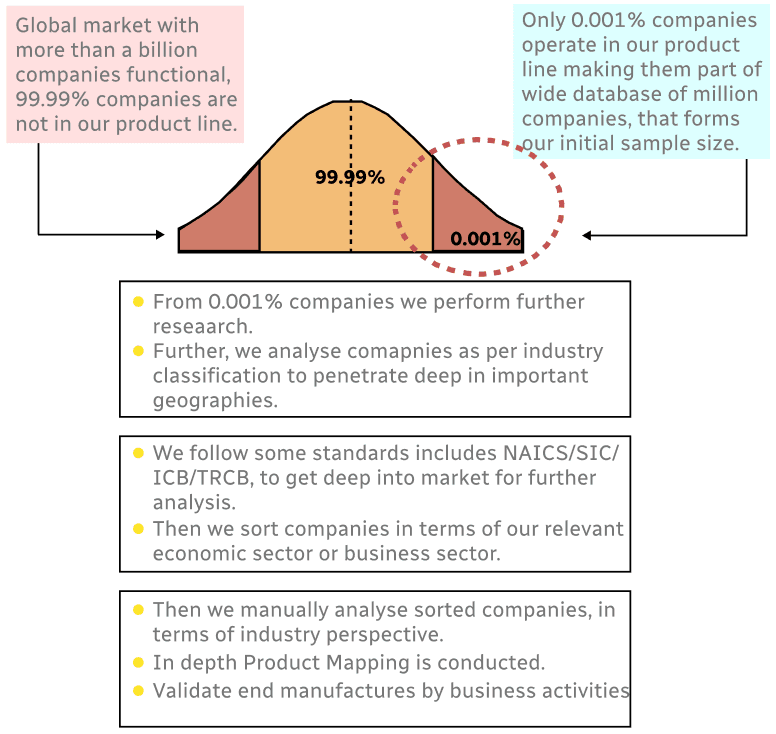
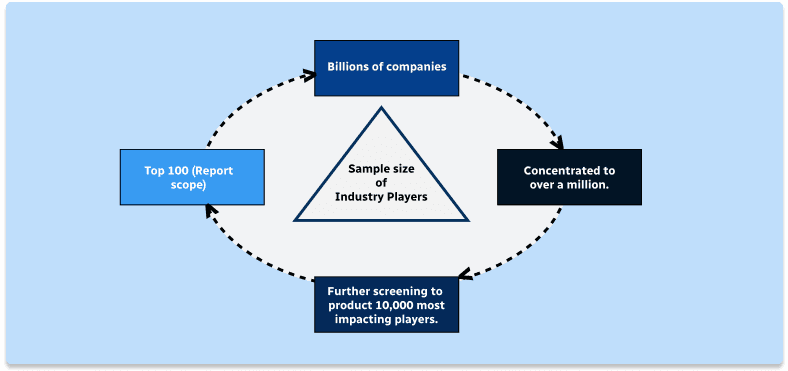
Step 1 - Identification of Relevant Samples Size from Population Database
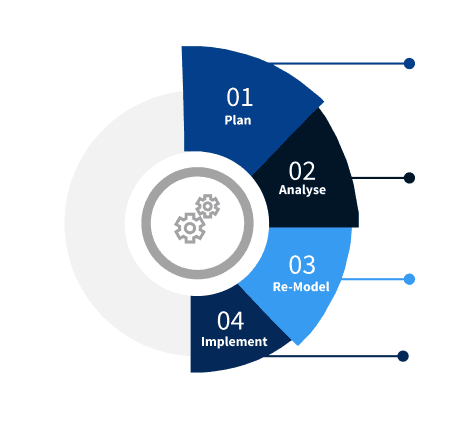
Step 2 - Approaches for Defining Global Market Size (Value, Volume* & Price*)
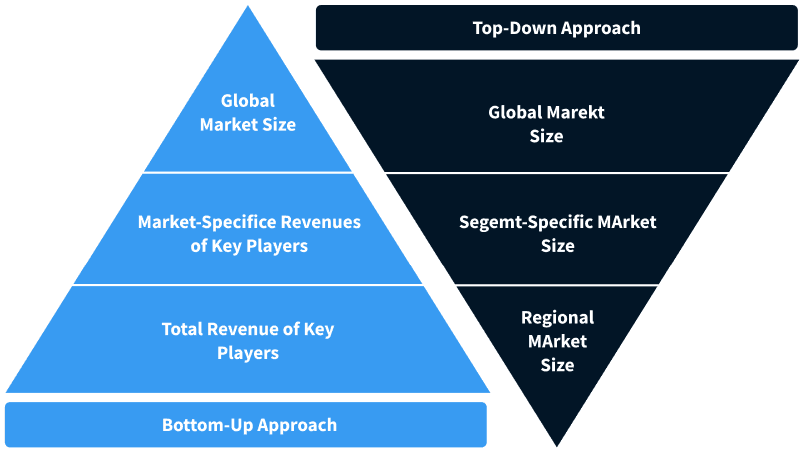
Note*: In applicable scenarios
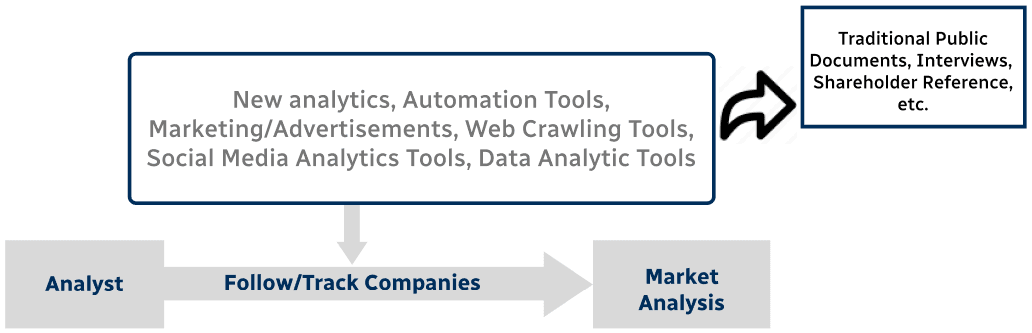
Step 3 - Data Sources
Primary Research
- Web Analytics
- Survey Reports
- Research Institute
- Latest Research Reports
- Opinion Leaders
Secondary Research
- Annual Reports
- White Paper
- Latest Press Release
- Industry Association
- Paid Database
- Investor Presentations
Step 4 - Data Triangulation
Involves using different sources of information in order to increase the validity of a study
These sources are likely to be stakeholders in a program - participants, other researchers, program staff, other community members, and so on.
Then we put all data in single framework & apply various statistical tools to find out the dynamic on the market.
During the analysis stage, feedback from the stakeholder groups would be compared to determine areas of agreement as well as areas of divergence